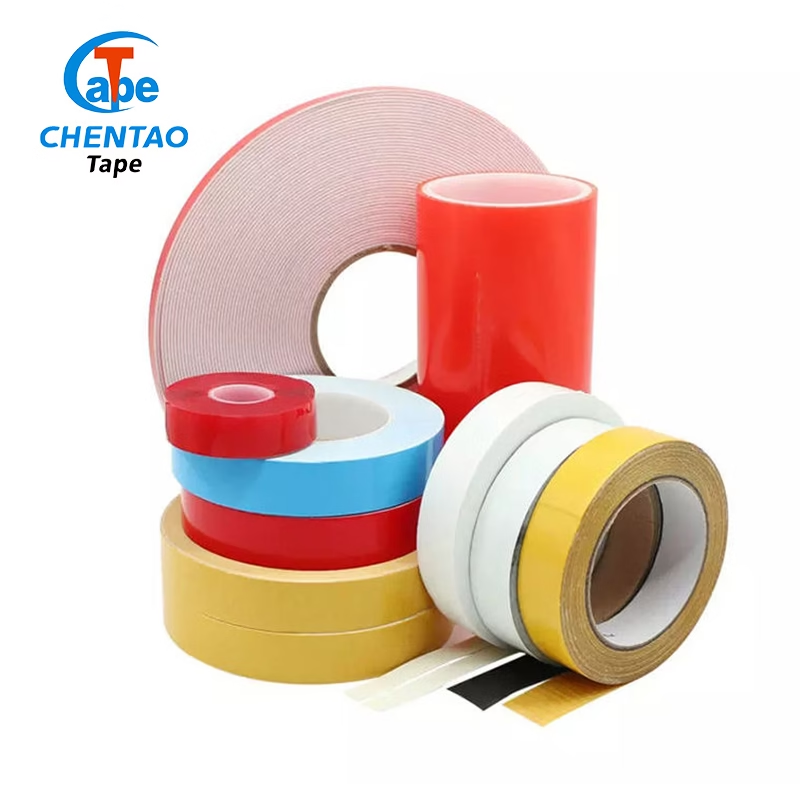
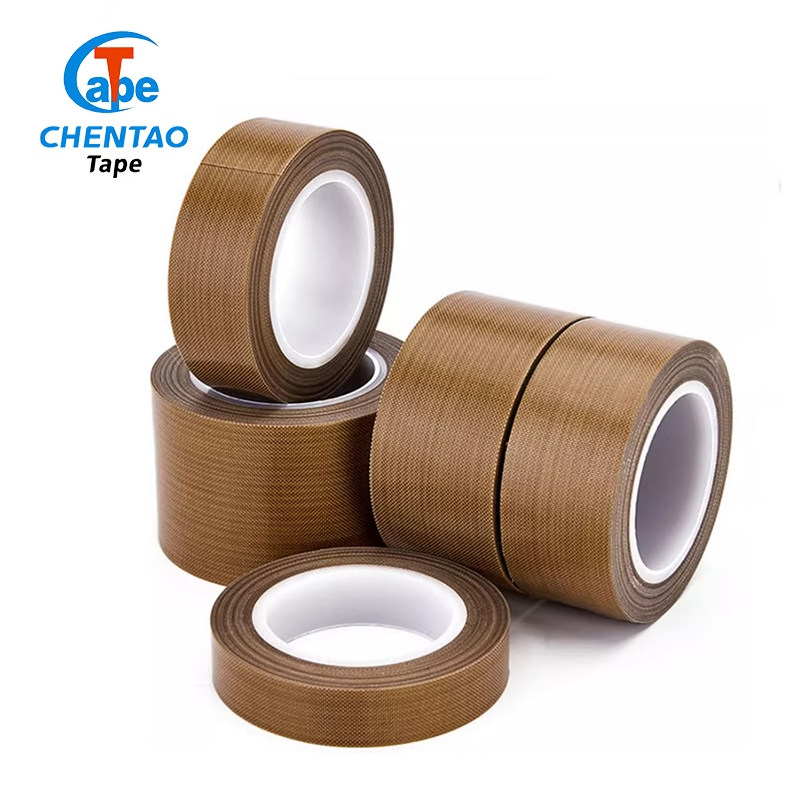
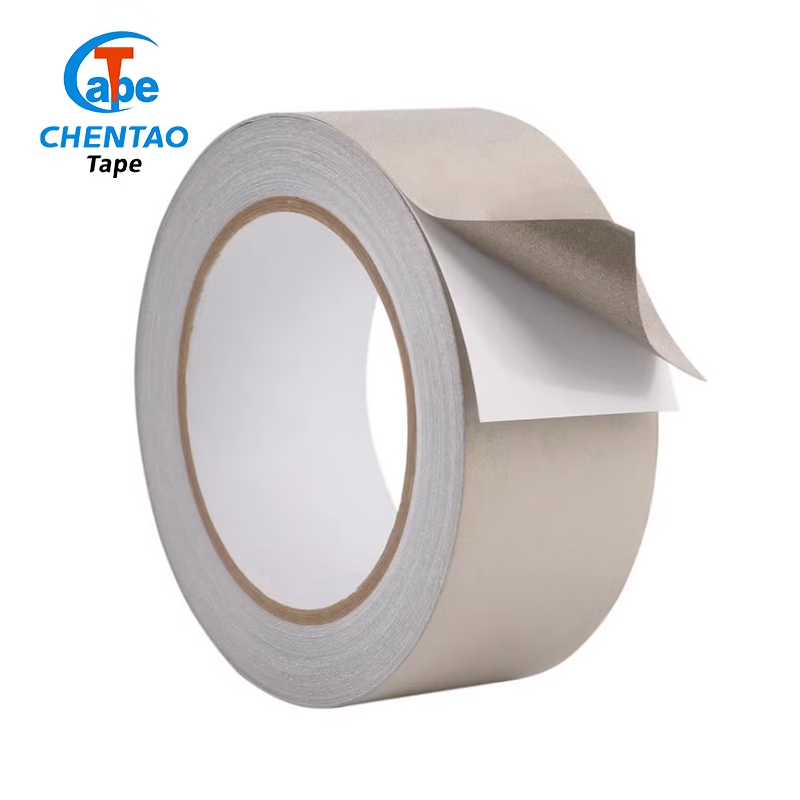
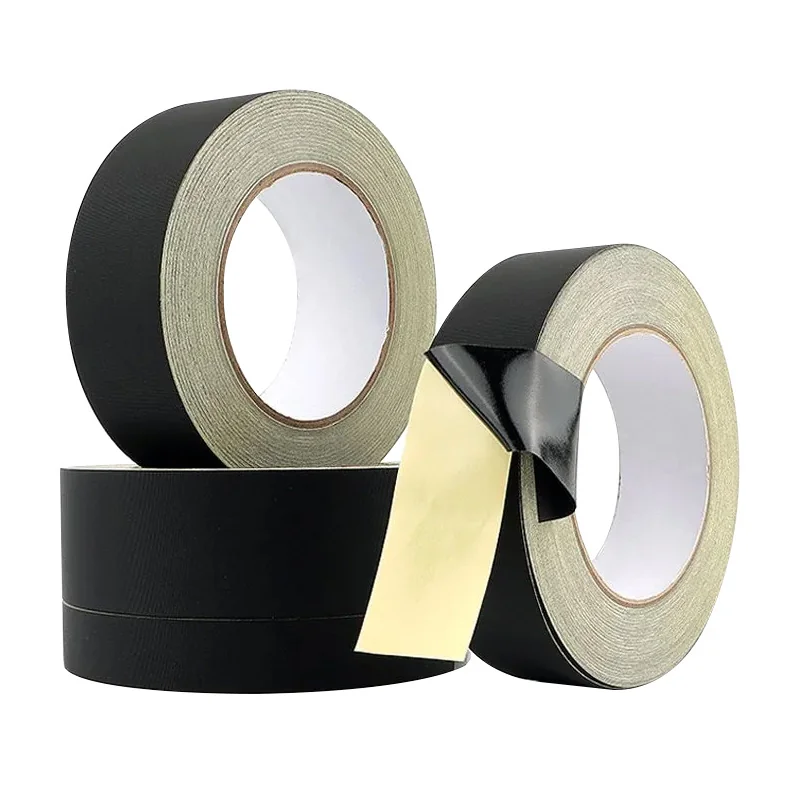
Technical specifications, selection guides, and application insights for professional-grade industrial tapes. Covering polyimide, PTFE, double sided, foam, and specialty tapes from CT Tape.
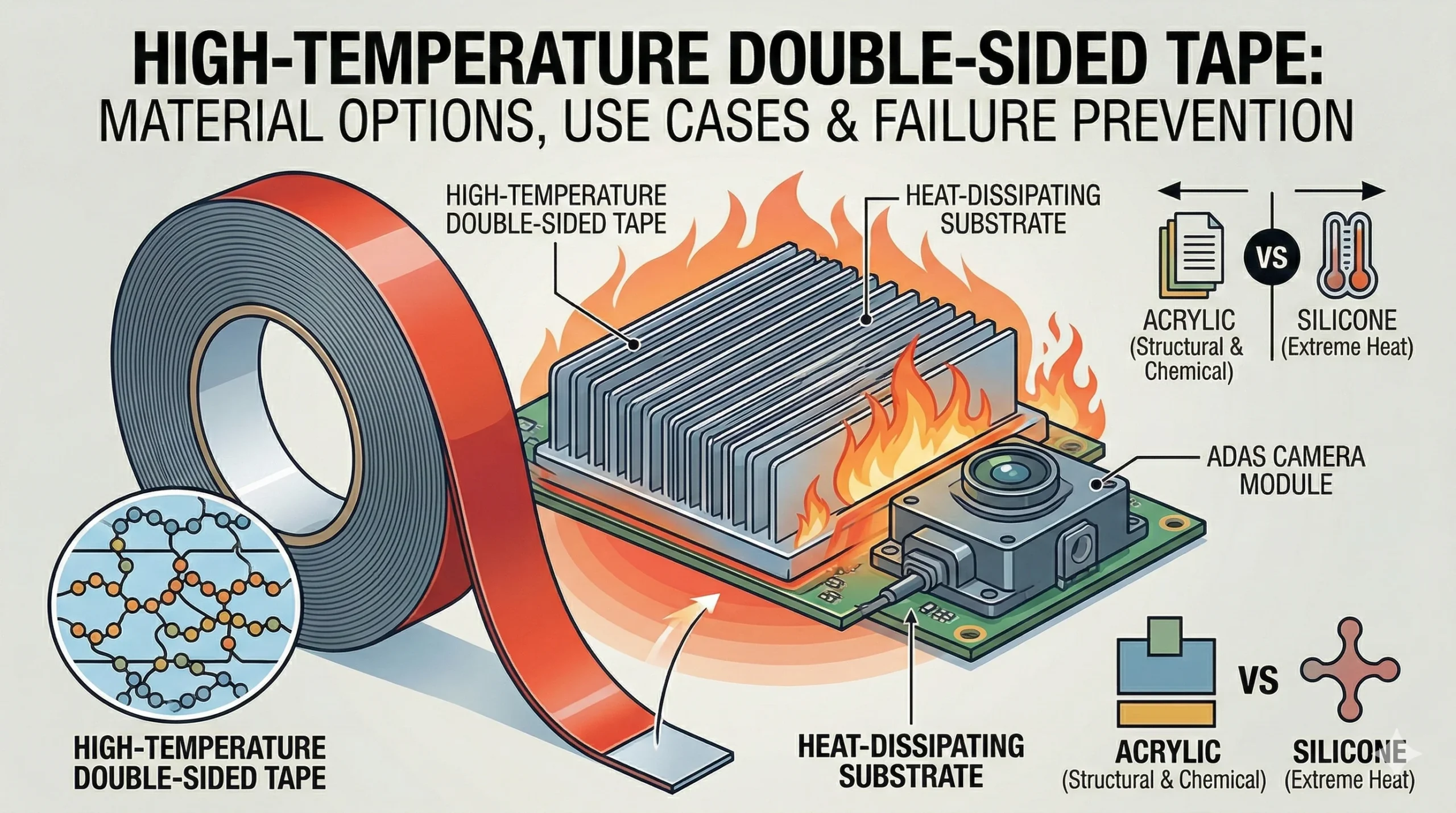
In this technical breakdown, we will examine the root causes of thermal failure, objectively compare the heat resistance of acrylic vs. silicone adhesives, outline specific automotive and electronic use cases, and provide an actionable engineering checklist to ensure your assemblies stay bonded under thermal stress.
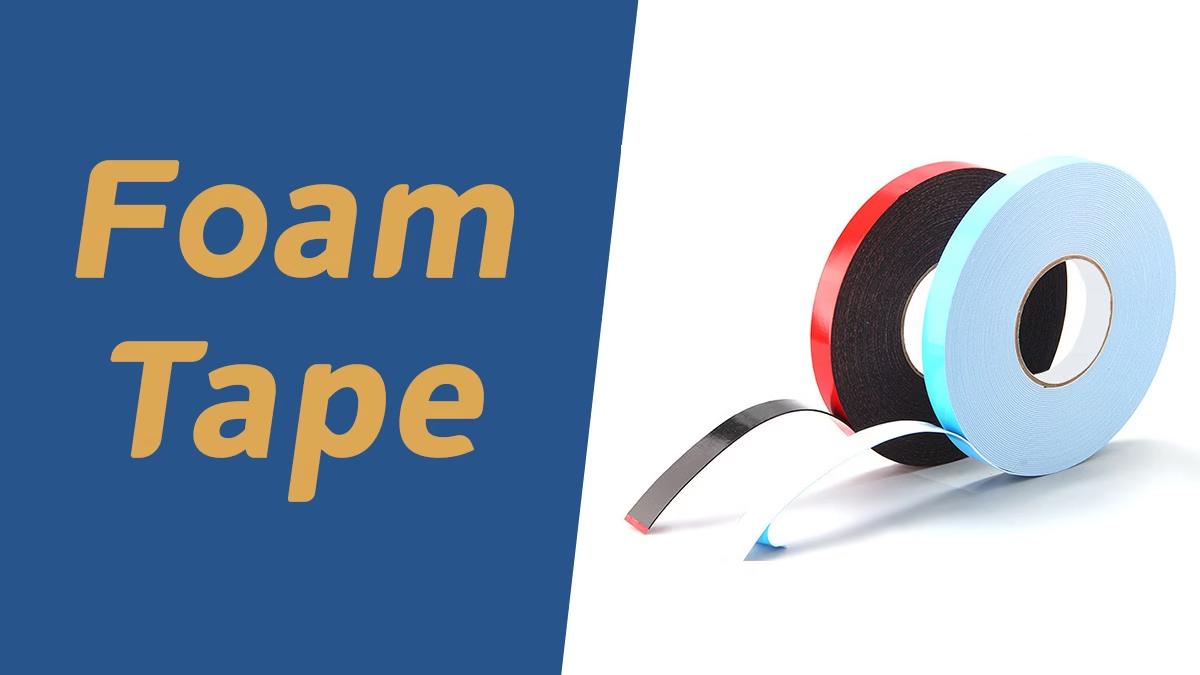
foam tape cover
Compare foam tape constructions for bonding, cushioning and gap filling. Review the surfaces, joint geometry and thickness before selection. Check application steps and test the finished assembly. The High Cost…
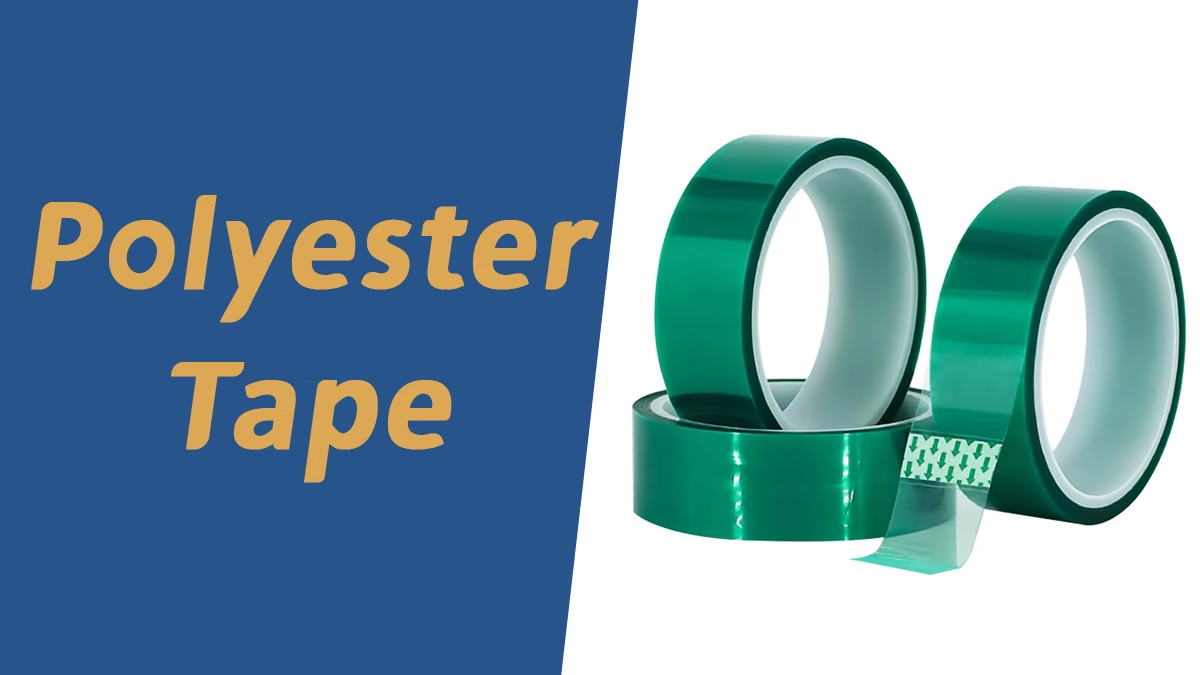
Review polyester tape properties, applications and installation methods. Match the adhesive and tape construction to your process conditions. Use the selection questions to prepare your specification. Overcoming Adhesive Limitations in…
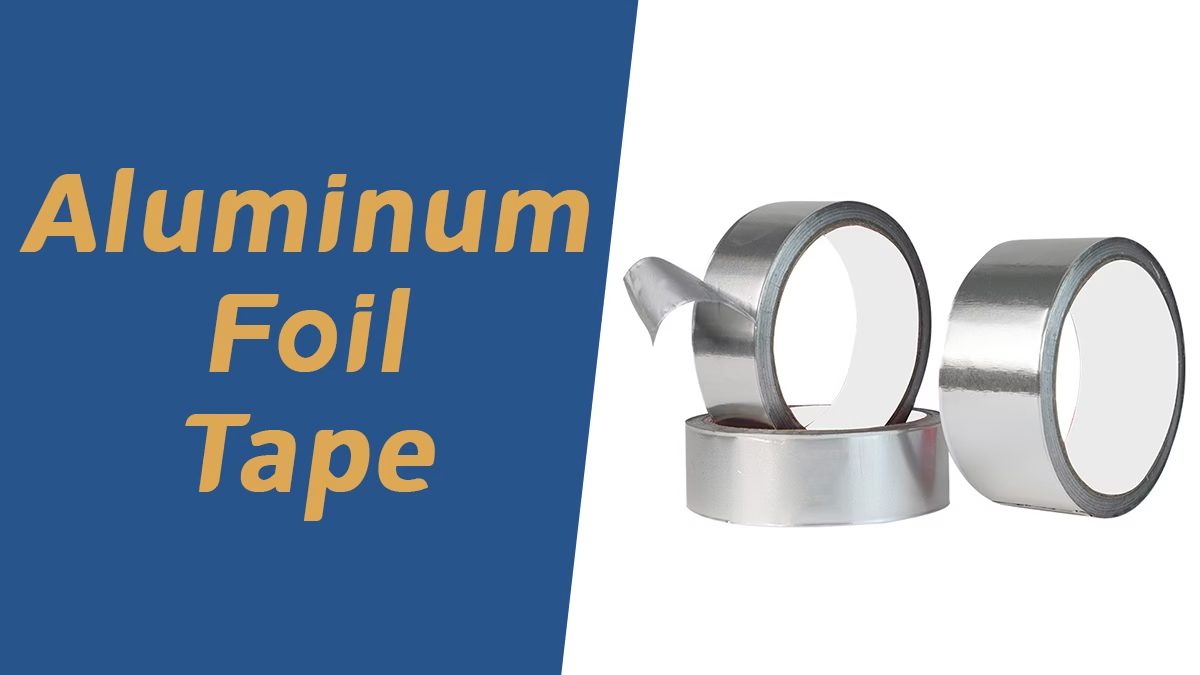
Review foil tape constructions, seam preparation and application methods. Choose the adhesive and dimensions for your surface and sealing task. Check the specification against the intended environment. Solving Real-World Adhesion…
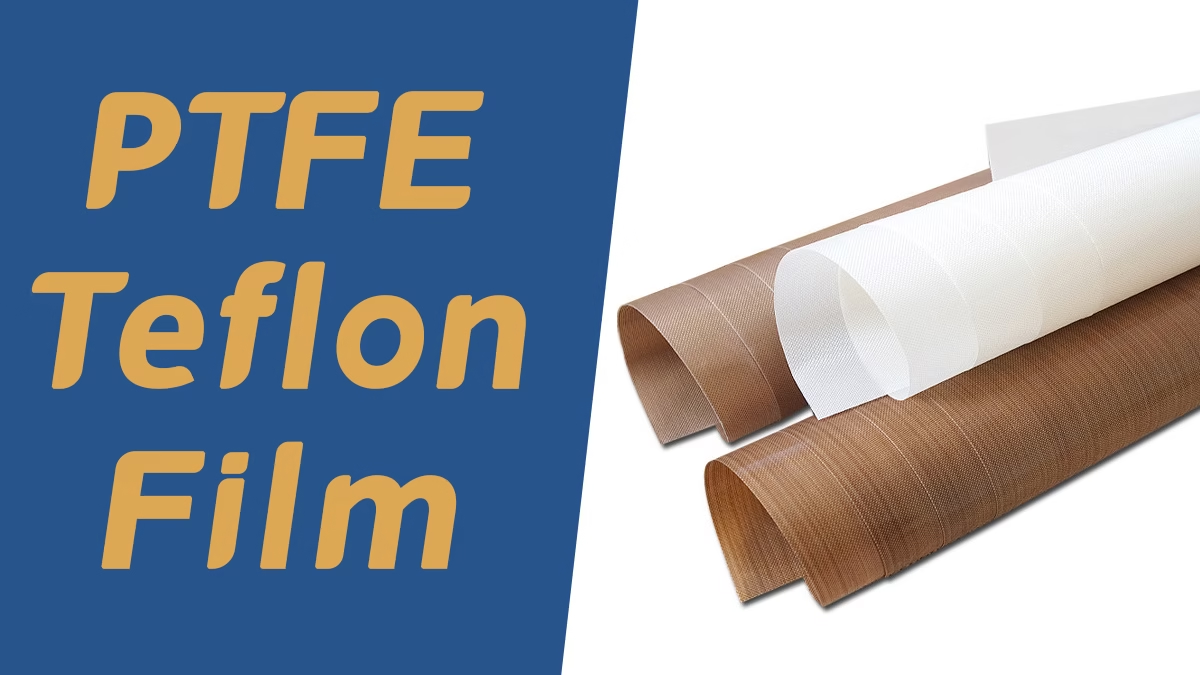
Review PTFE film properties, applications and selection questions. Match the material form and dimensions to your process. Confirm performance using the chosen grade and test conditions. The High-Performance Material Overcoming…
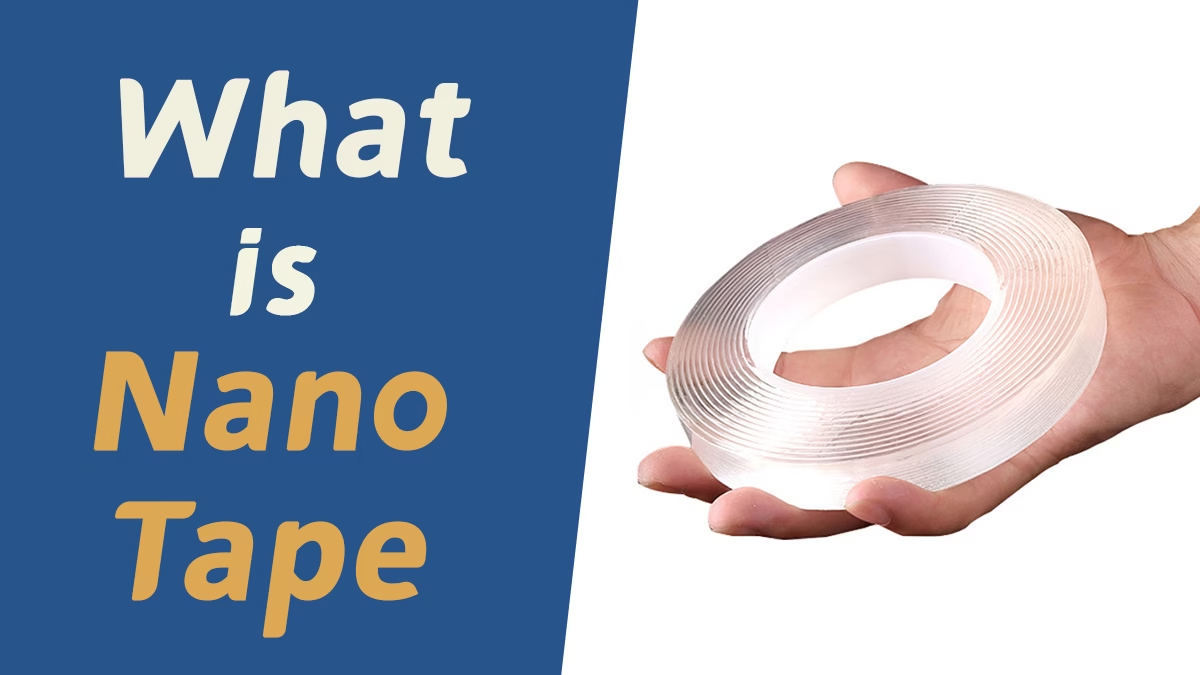
Review mounting surfaces, application steps and tape care. Compare options for the load, environment and removal requirements. Test the actual surface before committing to an installation. The Adhesive Revolution You've…
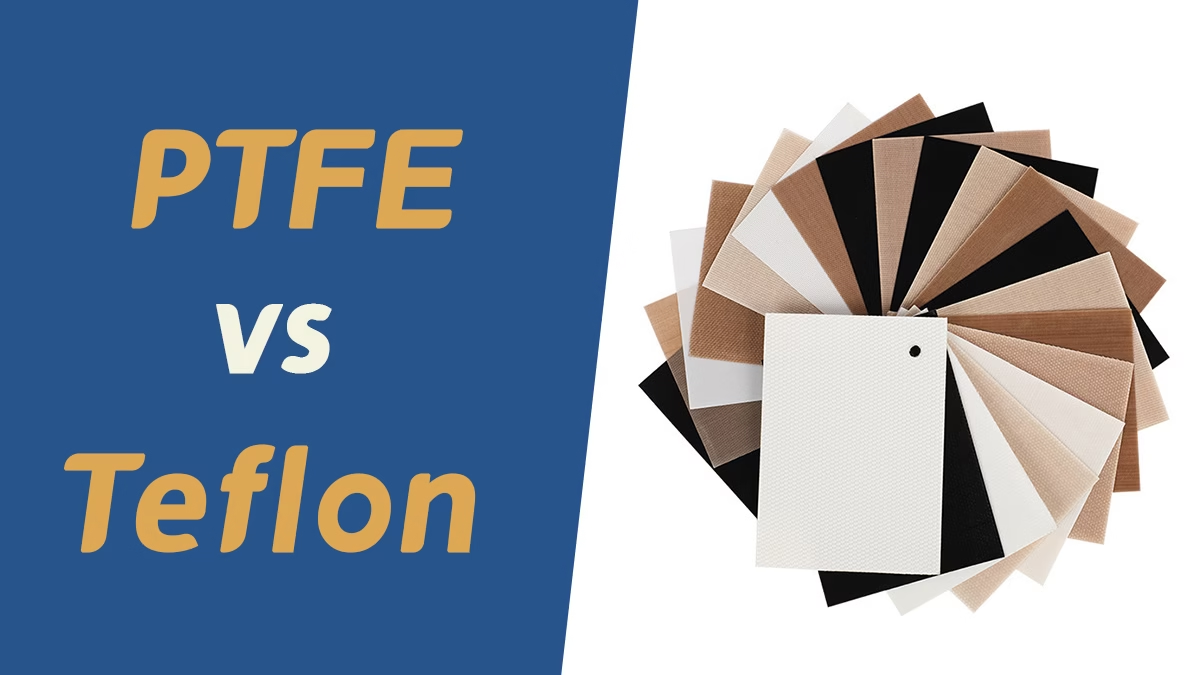
Review PTFE materials, Teflon branding and available tape constructions. Compare application requirements and material properties. Confirm the specification of the product you plan to use. The PTFE-Teflon Confusion Problem Many…
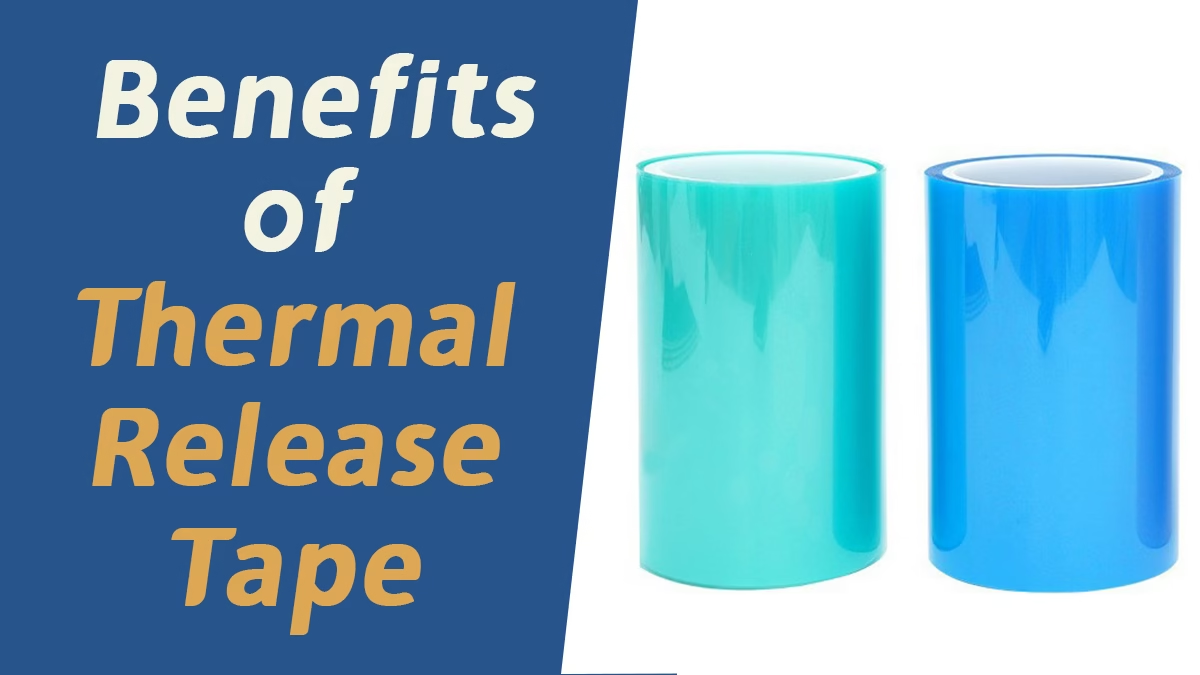
Thermal release tape bonds at room temp, releases cleanly at 80-150°C. PCB, automotive, solar applications. RoHS/REACH compliant. Request a sample.