
ChenTao · Protective film manufacturer
Acid & Alkali Protective Film
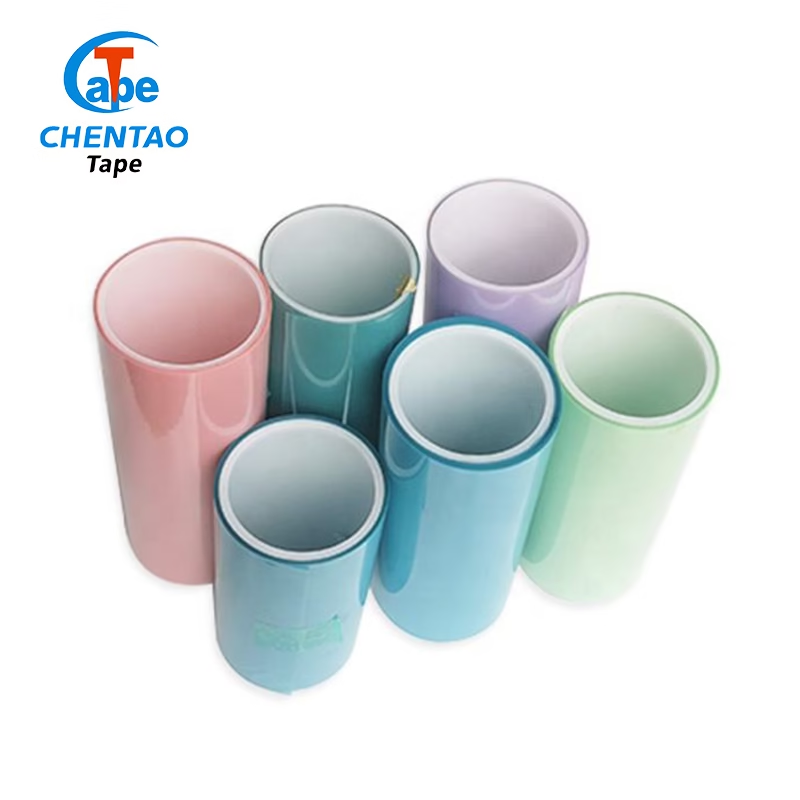
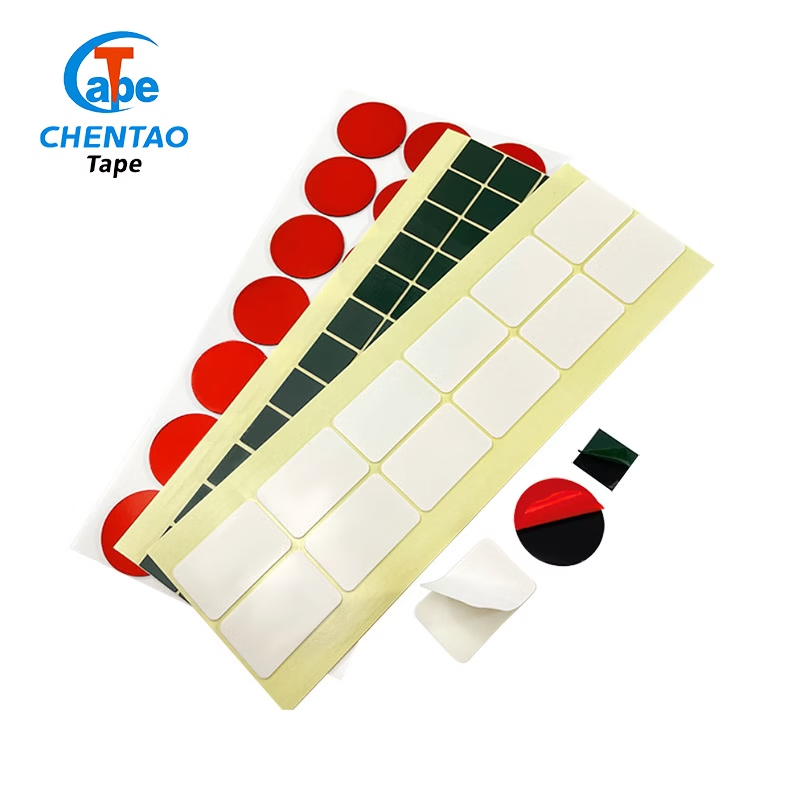
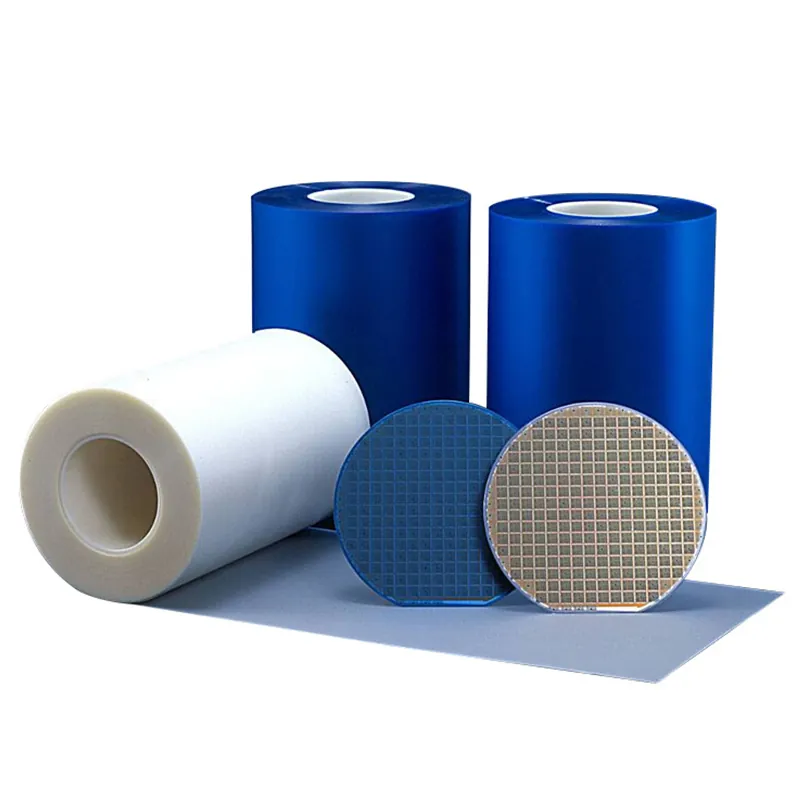
Mask and protect surfaces during chemical processing with adhesive-backed PVC film. Choose custom roll sizes or pre-cut shapes for glass, metal and electronic parts.
Match the film to your chemical, concentration, temperature and contact time.
- Backing
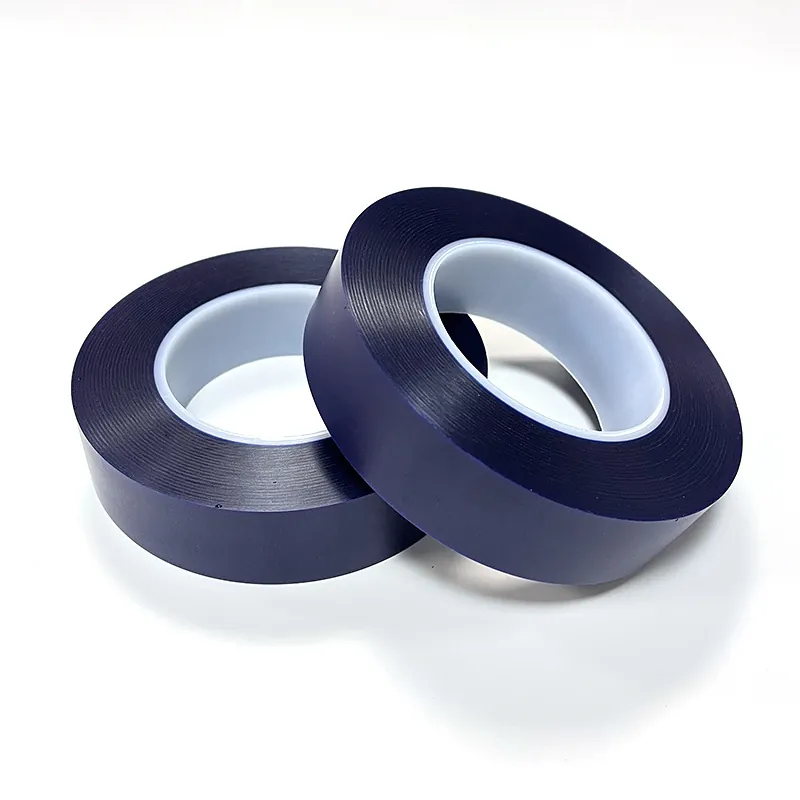
- PVC film
- Thickness options
- 0.08 / 0.10 mm
- Roll length
- 50 / 100 m
- Custom supply
- Slit rolls & die cuts
Product specifications
Product details at a glance
The essential data for an early fit check.
- Film construction
- PVC film with an adhesive faceA removable mask for the protected area. Match the adhesive to the surface and the chemicals used in your process.
- Thickness options
- 0.08 mm / 0.10 mm / customEquivalent to 80 / 100 μm. Tell us if you need another thickness; the quotation will define the measured layers and tolerance.
- Roll width
- 1–1,240 mmChoose a slit width or send the part drawing. Very narrow widths depend on the film thickness and the finished roll requirements.
- Roll length
- 50 m / 100 m / customSpecify roll length, quantity and the core size needed for your dispenser or laminating equipment.
- Custom converting
- Pre-cut shapes, cores & OEM packagingSend dimensions, openings, peel tabs and tolerances. Core material, diameter, labels and printed packaging can be specified.
- Chemical-process selection
- Chemical + concentration + temperature + timeInclude the contact method and all process fluids. A pH value alone does not establish whether a film will withstand a particular process.
- Adhesion & removal
- Match to the actual contact surfaceTest the sample after the full process. Check that the edges stay down during exposure and that removal leaves the required surface finish.
Dimensions shown are available starting options. Confirm the finished thickness and tolerances in your quotation. Test the film on your actual surface through the complete chemical process before bulk use.
Send the surface material, chemical name and concentration, process temperature and contact time. Include whether the film will be immersed, sprayed or exposed to splashes.
Ask a Technical QuestionFilm construction
A film barrier with an adhesive face
- 01PVC filmCovers the protected area during the agreed chemical process.
- 02Adhesive faceKeeps the mask in contact with the part, including the edges.
Common applications
Applications & custom supply
Protect selected areas while the rest of the part is processed. Choose the film for the surface and chemical step, then verify coverage and removal on a sample.
Glass process masking
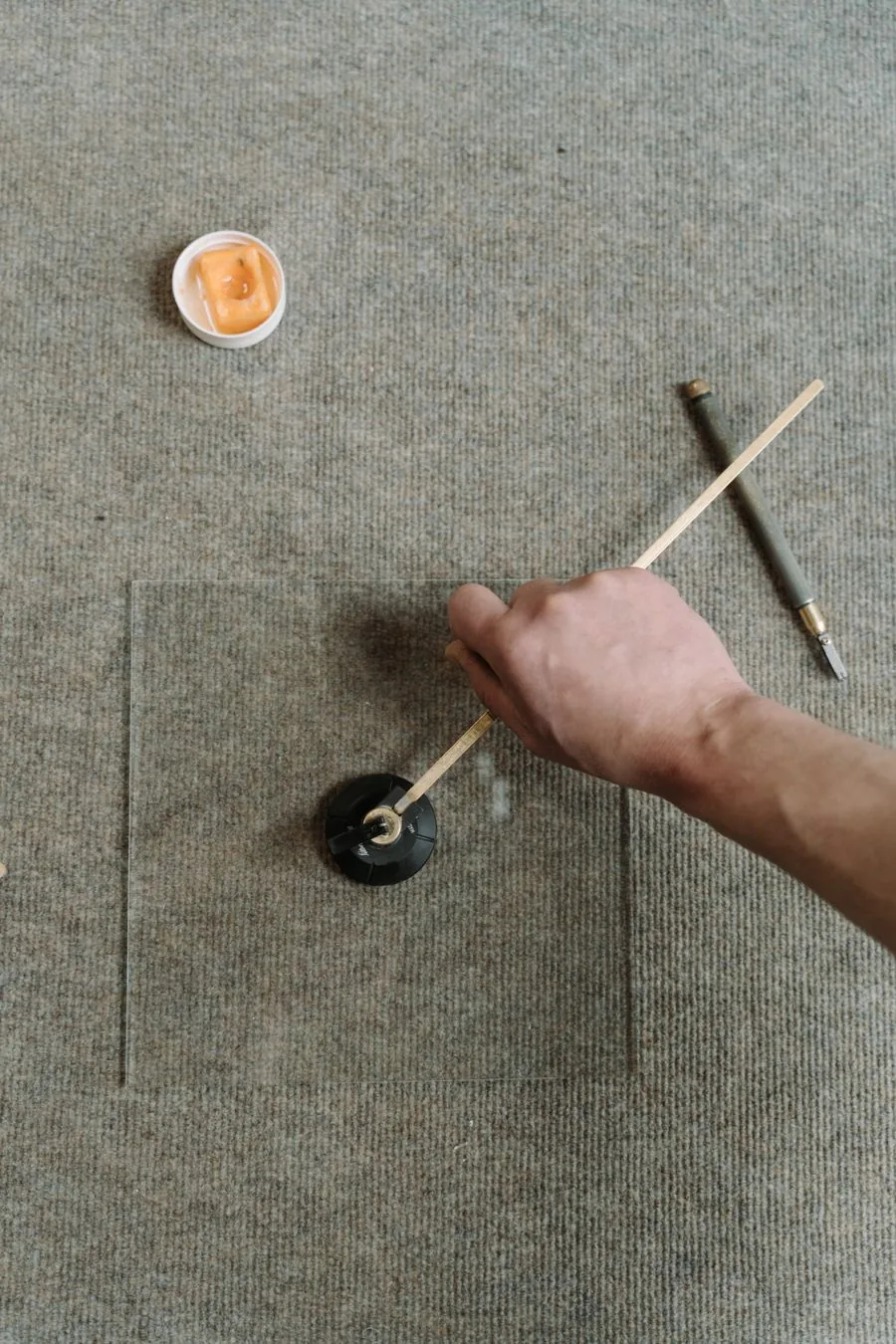
Cover the areas that must stay protected during glass processing. Match the mask to the chemical, exposure conditions and any surface coating.
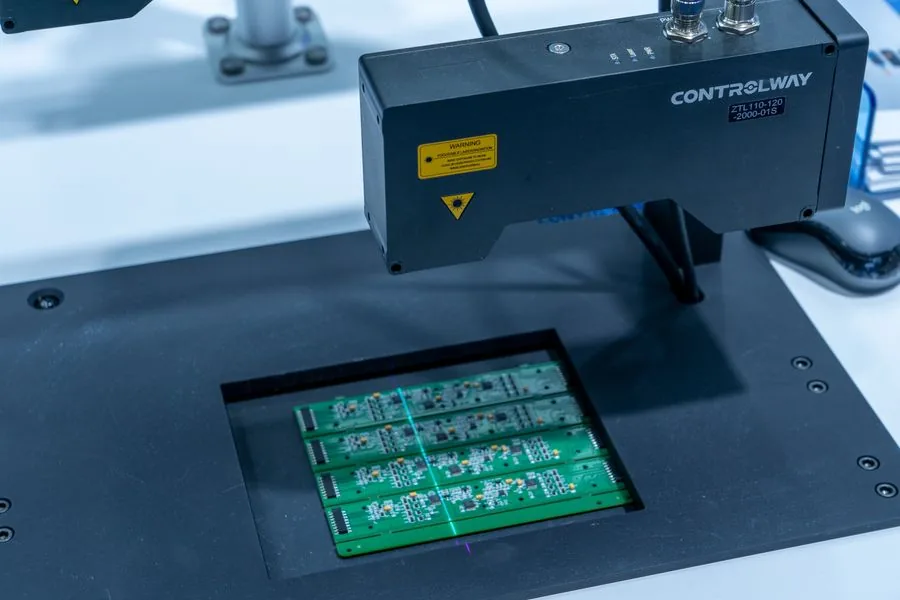
Circuit board protection
Mask selected areas during board processing. Include the copper or solder-mask finish, process fluids and any cleanliness or static-control requirements.

Precision electronic parts
Temporary protection for sensitive surfaces needs a process-specific film. Share handling and contamination limits; evaluate adhesion and removal on your parts.
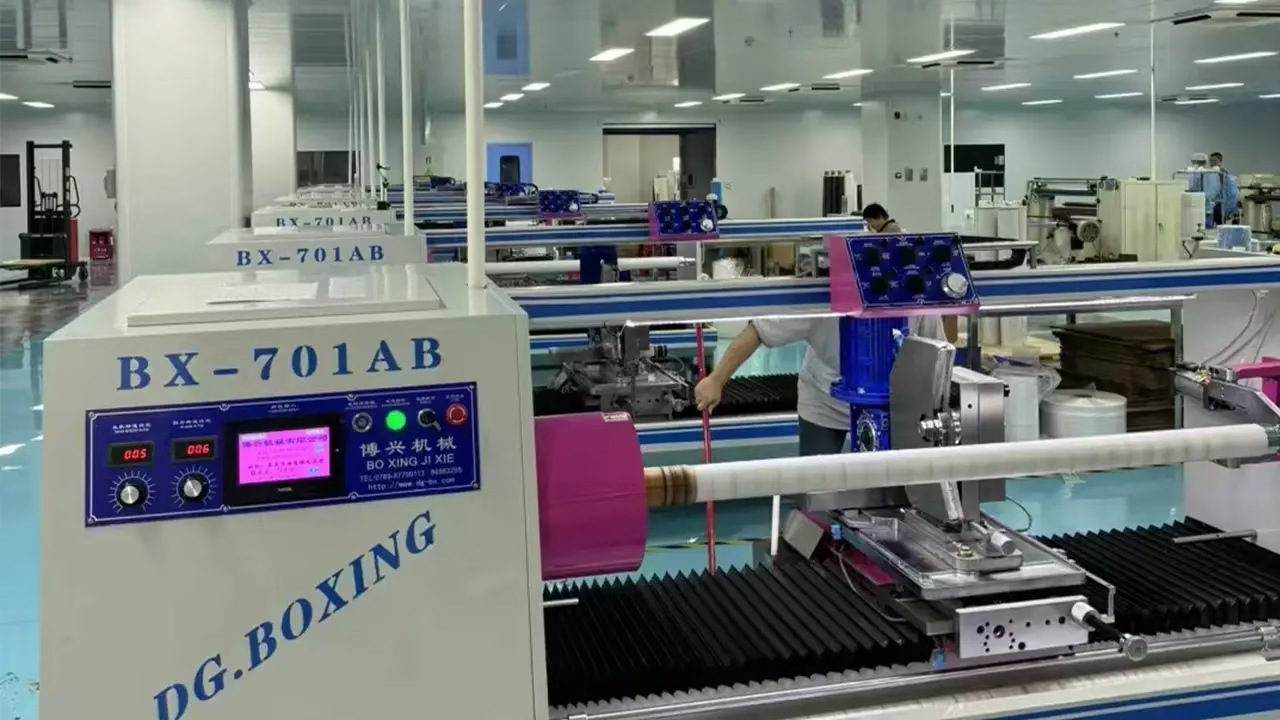
Custom rolls & masks
Order roll widths for your applicator or pre-cut shapes for repeatable placement. Send dimensions, openings, peel tabs and the quantity required.
Working with metal panels, coated glass or another surface? Send a photo or drawing showing the area to mask and the chemicals it will meet.
Prepare your inquiry
Find a film for your process
Choose the surface and supply format, then add the sizes you know. Leave unknown dimensions blank and include your process details for a recommendation.
Animated usage guide
Apply, Protect & Remove the Film
Follow one glass panel from preparation to removal. This example uses film fed directly from a roll; remove any separate backing as you apply it if your supplied film has one.
Clean and dry the contact surface
Remove dust and oil using a cleaning method suitable for the part. Let the surface dry before applying the film.
Inspect for chemical entry at the edges, bubbles, lifting, surface marks and adhesive residue. Use the agreed chemical conditions and removal timing. Film masking does not replace the protective equipment and procedures required for your chemical process.
From inquiry to production
A clear next step for your project
Start with what you know. Confirm the product and commercial details before placing an order.
Share the requirement
Send the surface, chemical and concentration, temperature, contact time, dimensions and quantity. Include a drawing for pre-cut masks and note any peel tabs or openings.
Review the proposal
Review thickness, adhesive, sizes, core and packaging in the quotation. Run a sample through the actual chemical exposure, rinse, drying and removal steps.
Confirm before production
Approve the sample and finished drawing. Confirm masking coverage, edge contact and removal quality before placing the bulk order.
Tell us the size you need. Sample availability and terms are confirmed for your request.
Frequently asked questions
Product questions & ordering information
Product & use
What does acid and alkali protective film do?
It covers selected areas of a part during chemical processing. This product uses an adhesive-backed PVC film: the adhesive holds it against the surface, and the film acts as the temporary mask. Remove it after the agreed process and inspect the protected area.
Does one film resist every acid and alkali?
No. Chemical identity, concentration, temperature and contact time all affect performance. Immersion can place different demands on the film from occasional splashes. Send the complete process details; a pH value alone is not enough to choose a film.
Can I use it on glass, metal or circuit boards?
These are application areas for chemical-process masking films. The choice depends on the actual surface, coating, process fluids and removal requirements. Trial the film on representative parts. For electronic parts, include cleanliness and static-control requirements; they are not implied by chemical resistance.
Will the film always remove without residue?
Removal depends on the adhesive, surface and full exposure history. Check for residue, marks, coating damage and film tearing after the complete sample process. Agree on the removal timing and acceptable finish before bulk use. This film does not require the UV or heat activation used by release films.
Which dimensions and custom formats are available?
Starting thickness options are 0.08 and 0.10 mm, with custom thickness by request. Listed widths are 1–1,240 mm and roll lengths are 50 or 100 m, with custom sizes available. Send a drawing for pre-cut shapes and confirm tolerances, core size and packaging in the quotation.
What should I send for a sample or technical recommendation?
Send the material and coating, the area to mask, each chemical and its concentration, temperature, contact time and contact method. Add dimensions, quantity and removal requirements. If compliance documents are needed, identify them so we can check availability for the film being quoted.
Ordering & delivery
What are the sample and bulk order lead times?
Samples can be prepared within 48 hours. Bulk orders usually take 7–15 working days. Lead times start when the required payment is received; for orders on deposit terms, this means receipt of the deposit. Shipping time is additional.
How is the film packed? Can I customize it?
Standard packing is clear bags and cartons. Custom packaging and printed labels are also available. Include your packaging or label requirements with your inquiry.
How can you ship my order?
We support express courier, air freight and sea freight. You can also use your own freight forwarder. Share your destination and preferred shipping method so freight costs and estimated transit time can be confirmed for your order.
What are your payment methods and terms?
Payment is by T/T (bank transfer). Orders below US$5,000 require 100% payment in advance. Orders of US$5,000 or more require a 50% deposit, with the remaining 50% paid before shipment.
What will the quotation confirm?
The quotation confirms the product specification, size or drawing, quantity, price, minimum order quantity, packing, production lead time, shipping arrangements and payment terms. Include any sample requirements with your inquiry.
Related protective films
Other protective film options
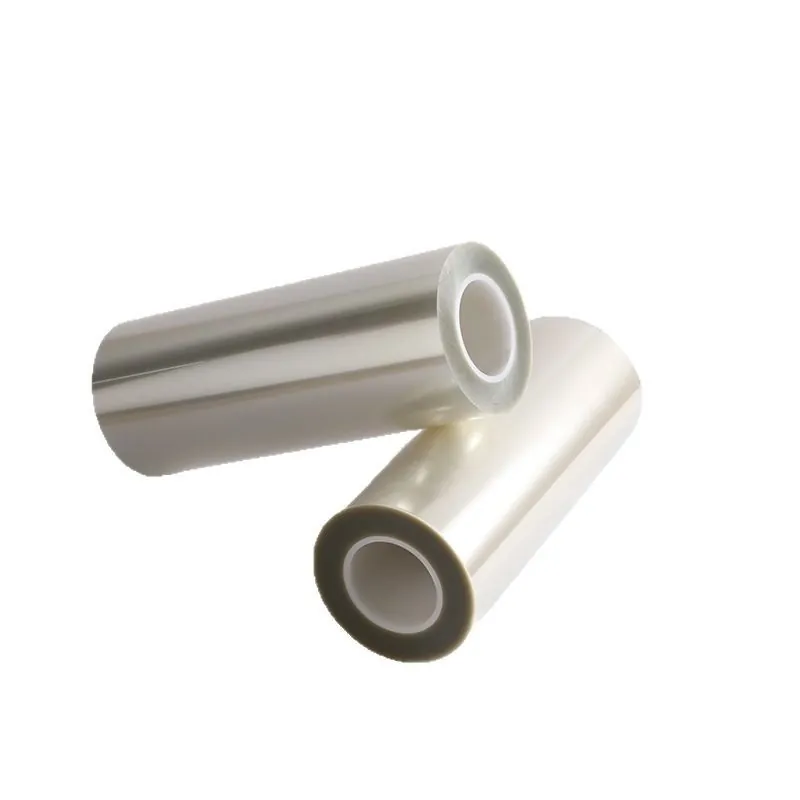
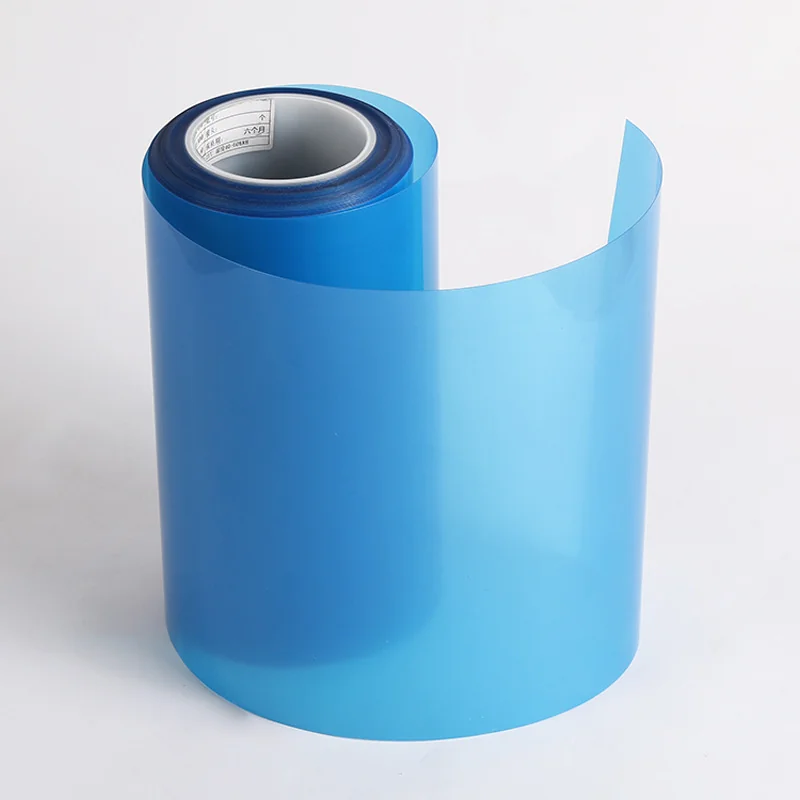
Compare chemical-process masking with general surface protection and films that release after heat or UV exposure.
Next step
Get a product quotation
Share the details you know in the form below. For drawings or photos, email frank@cttape.com with your company name and project reference.
Your quotation confirms the specification, price, MOQ, packing, lead time, shipping and payment terms.