
Aluminum Foil Tape for HVAC Duct Sealing and Foil-Faced Insulation
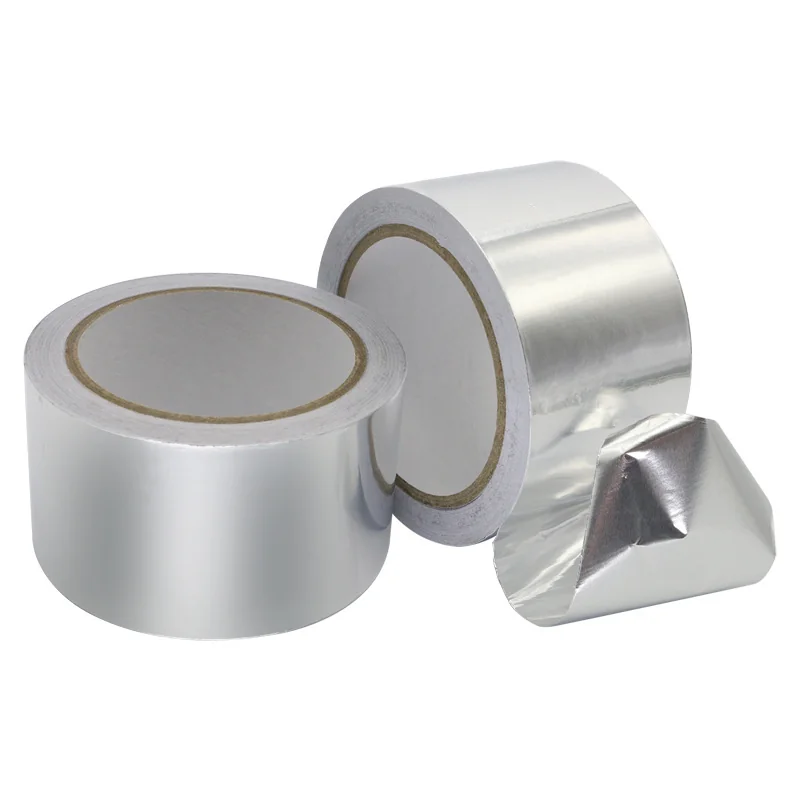
ChenTao aluminum foil tape combines conformable aluminum foil with pressure-sensitive acrylic adhesive for HVAC duct sealing, foil-faced insulation joints and general industrial repair. Standard constructions cover 0.06-0.12 mm total thickness, ISO-managed production, 50-roll MOQ and 24-hour sample support.
What Is Aluminum Foil Tape?
A foil-backed pressure-sensitive tape used where sealing, vapor barrier performance and metallic surface conformity matter more than electrical insulation.
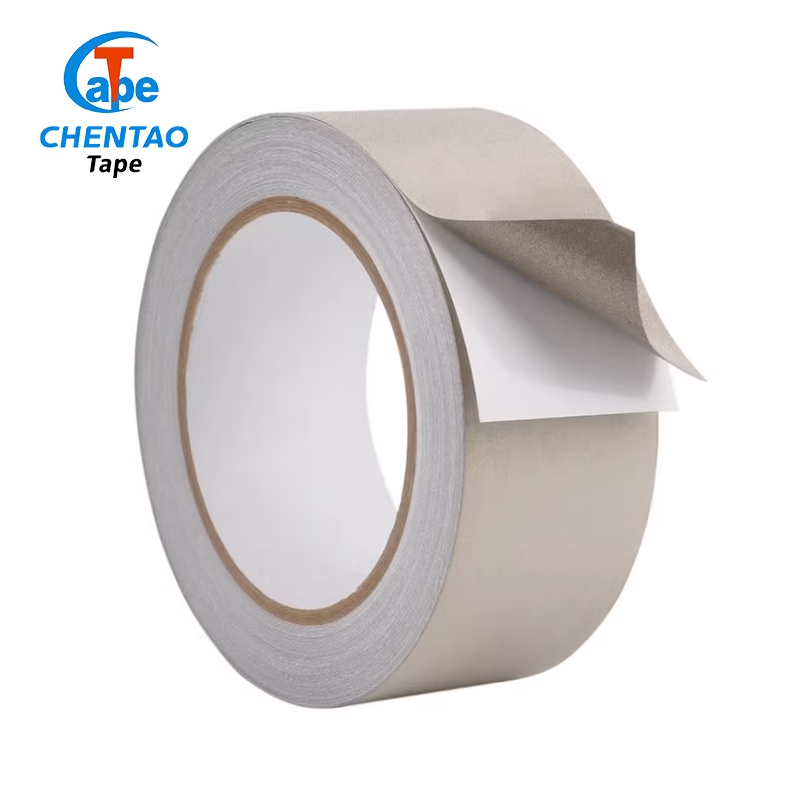
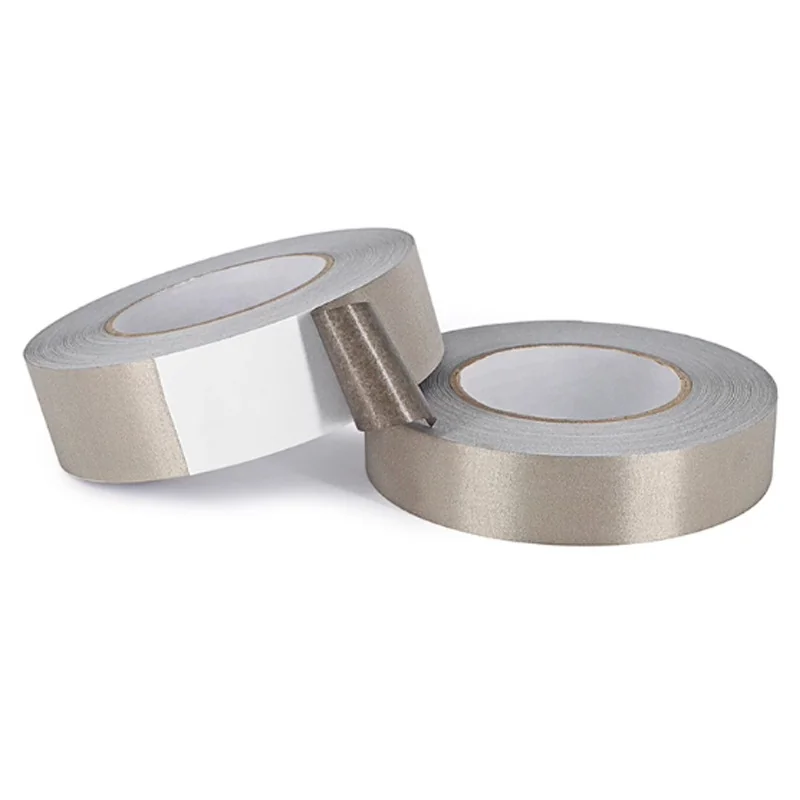
Aluminum foil tape is made from a thin aluminum foil carrier coated with pressure-sensitive adhesive. The foil backing gives the tape a metallic barrier surface, while the adhesive provides practical bonding to ductwork, foil-faced insulation board, metal panels and many smooth industrial substrates.
Compared with film tapes, aluminum foil tape is more conformable around seams, corners and irregular surfaces. It is commonly specified for HVAC duct sealing, insulation facing repairs, temporary metal-surface protection, refrigerator and appliance assembly, and low-profile shielding or grounding applications where the adhesive construction is confirmed for that use.
ChenTao manufacturing fit
ChenTao is suited for buyers who need repeatable roll supply, custom slit widths and export-ready packaging. The product can be supplied as standard rolls, jumbo rolls or project-based converted formats with batch QA documentation for thickness, peel and tensile checks.
Where Engineers Specify Aluminum Foil Tape
Use cases are selected around sealing, reflective foil surfaces, moisture-barrier continuity and clean roll handling in production.
HVAC Duct Sealing
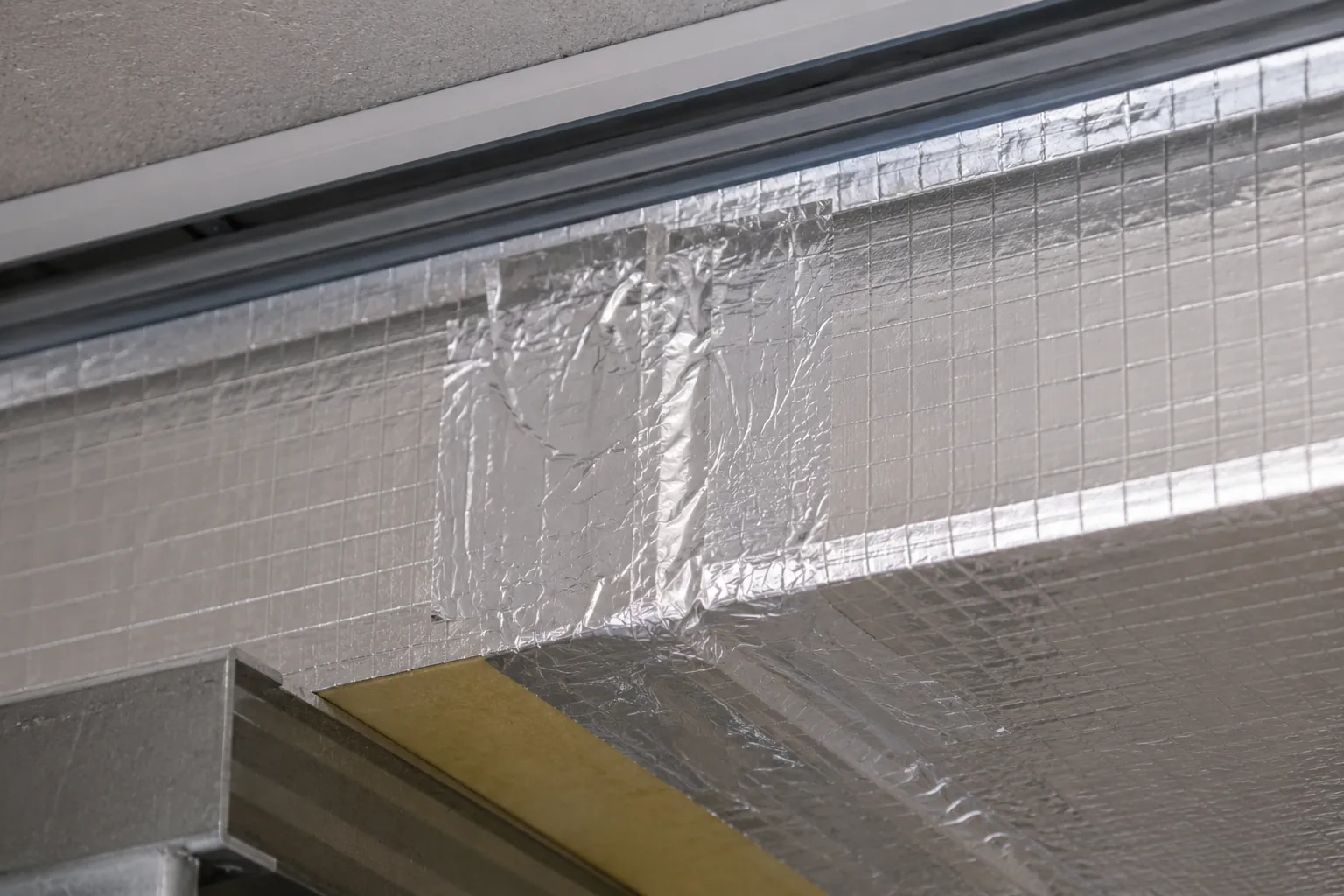
Seals metal duct joints, elbows and seams where a conformable foil surface and pressure-sensitive bond are required.
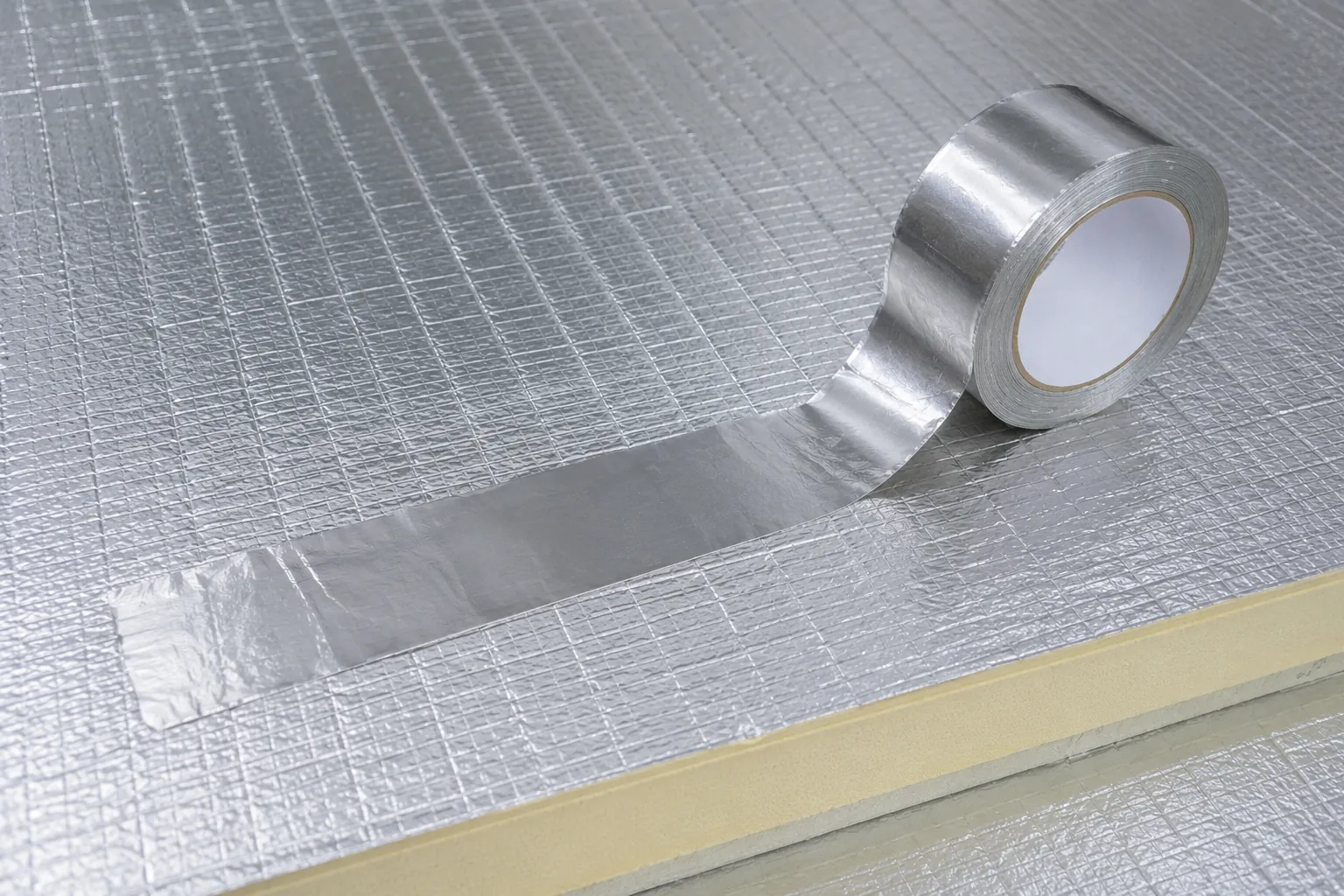
Foil-Faced Insulation Joints
Joins and repairs foil insulation facings to help maintain a continuous reflective and vapor-barrier surface.
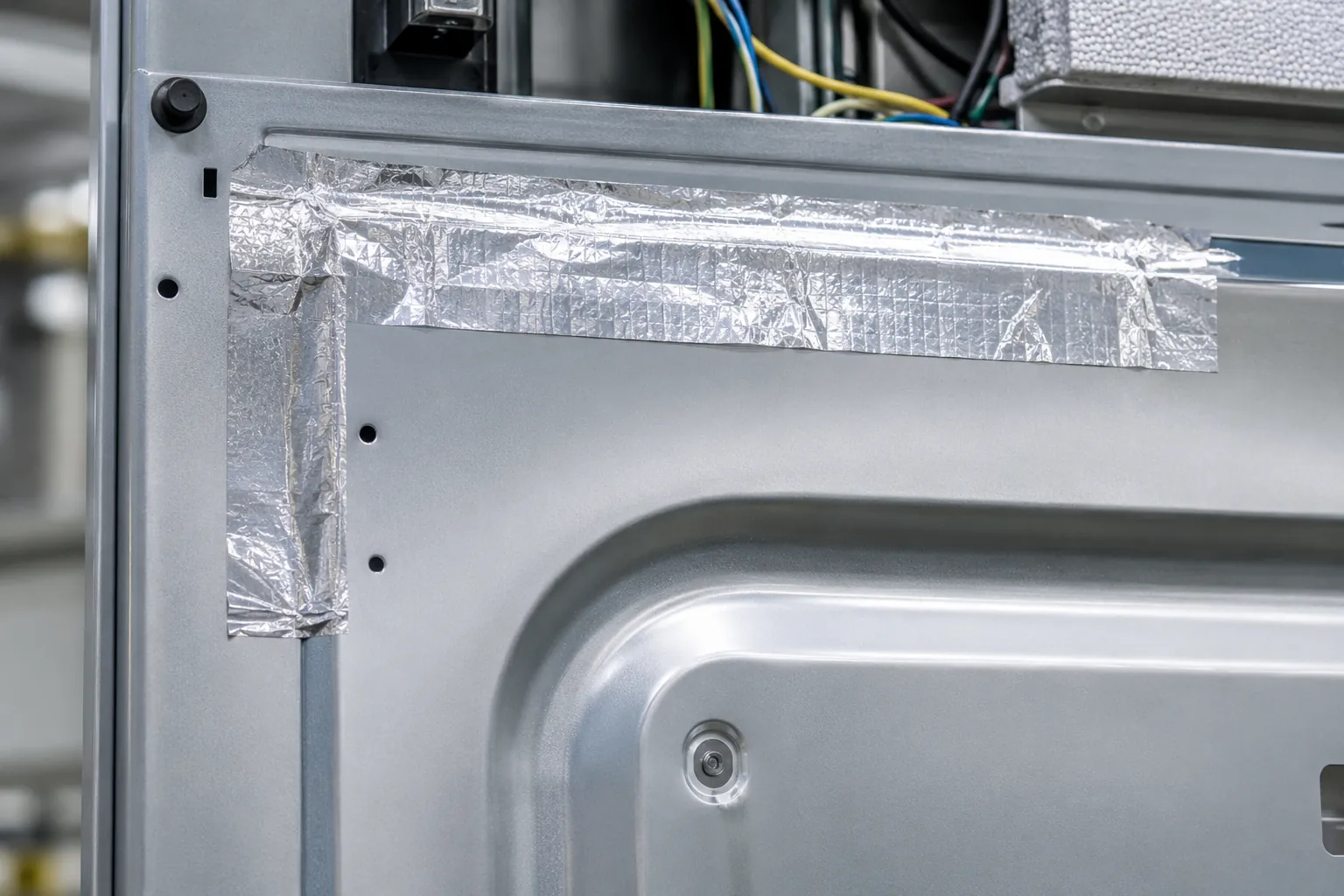
Refrigeration & Appliance Assembly
Supports sealing, masking and small-area repair tasks on metal housings, panels and thermal insulation components.
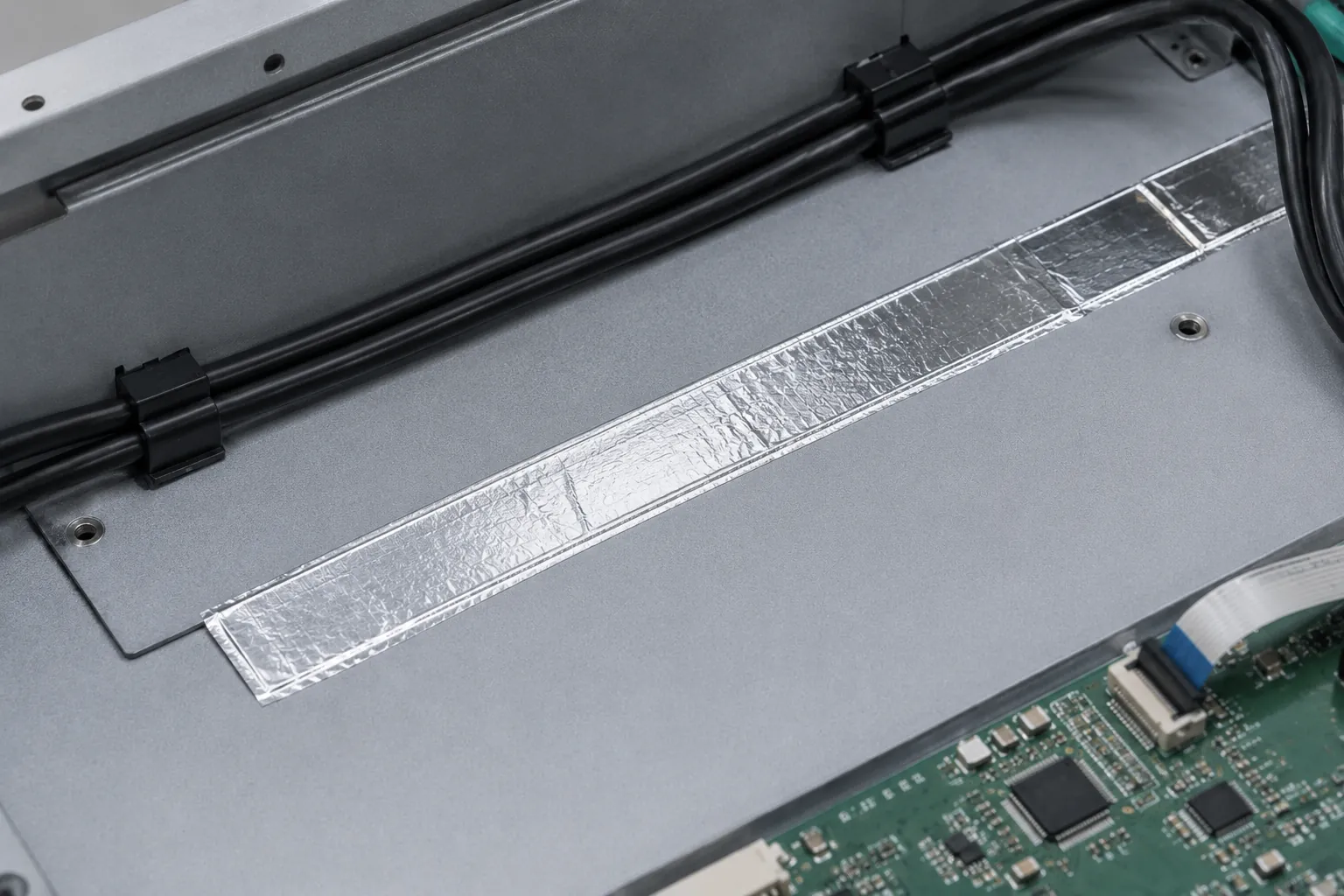
Shielding & Grounding Projects
Used in low-profile metallic shielding layouts when adhesive conductivity and grounding details are confirmed by the design.
Typical Technical Data
Values below use conservative public peer benchmarks and ChenTao page information. Confirm final limits against the selected construction and batch QA report.
| Property | Test Method | Unit | Value |
|---|---|---|---|
| Backing material | Material declaration | -- | Dead-soft aluminum foil |
| Adhesive type | Material declaration | -- | Acrylic pressure-sensitive adhesive |
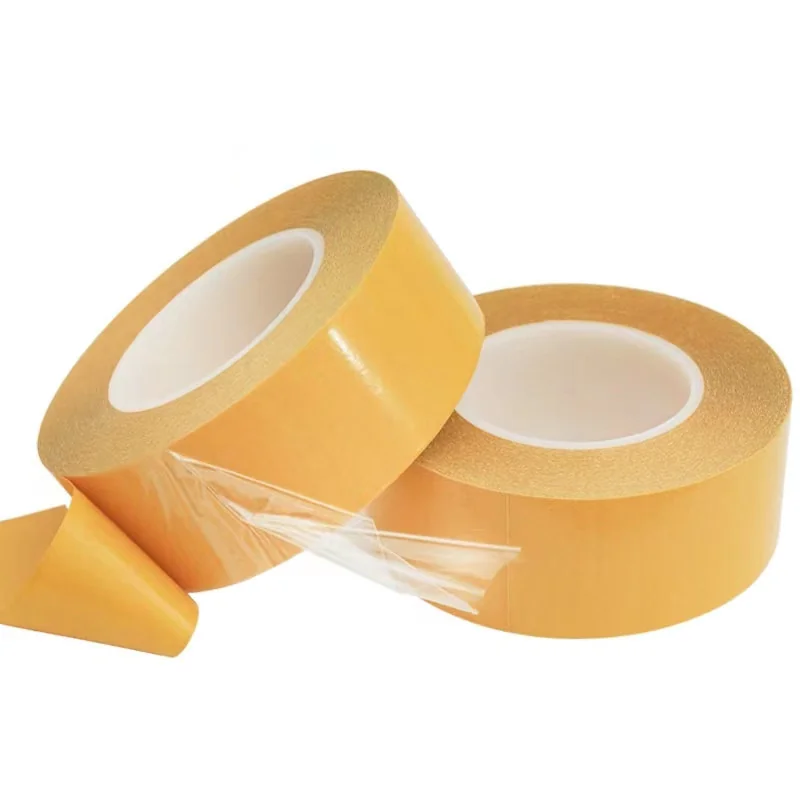
| Release liner | Visual inspection | -- | Siliconized paper liner or linerless grade by construction |
| Total thickness | ASTM D3652 | mm | 0.06-0.12 typical range |
| Foil thickness | ASTM D3652 | µm | Choose according to your requirements |
| Peel adhesion to steel | ASTM D3330 | N/25 mm | ≥12 typical |
| Tensile strength | ASTM D3759 | N/25 mm | ≥35 typical |
| Elongation at break | ASTM D3759 | % | 3 typical |
| Typical service temperature | ASTM D1000 conditioning | °C | -20 to +120 |
| Recommended application temperature | ASTM D1000 conditioning | °C | +10 to +40 |
| Electrical function | IEC 60454 project check | -- | Conductive foil backing; adhesive conductivity requires project confirmation |
| Moisture barrier behavior | ASTM E96 by project | -- | Foil backing supports vapor-barrier continuity when seams are properly overlapped |
Values are typical, not specification limits. Final product specifications depend on foil thickness, adhesive coating weight, liner choice and customer-approved sample.
Aluminum Foil Tape vs Alternative Materials
Use this table to decide whether foil, film, copper or cloth backing is the practical starting point for your application.
| Property | ChenTao Aluminum Foil Tape | PET Film Tape | Copper Foil Tape | Fiberglass Cloth Tape |
|---|---|---|---|---|
| Max temp | 120°C typical | 130°C typical | 120°C typical | 200°C+ by grade |
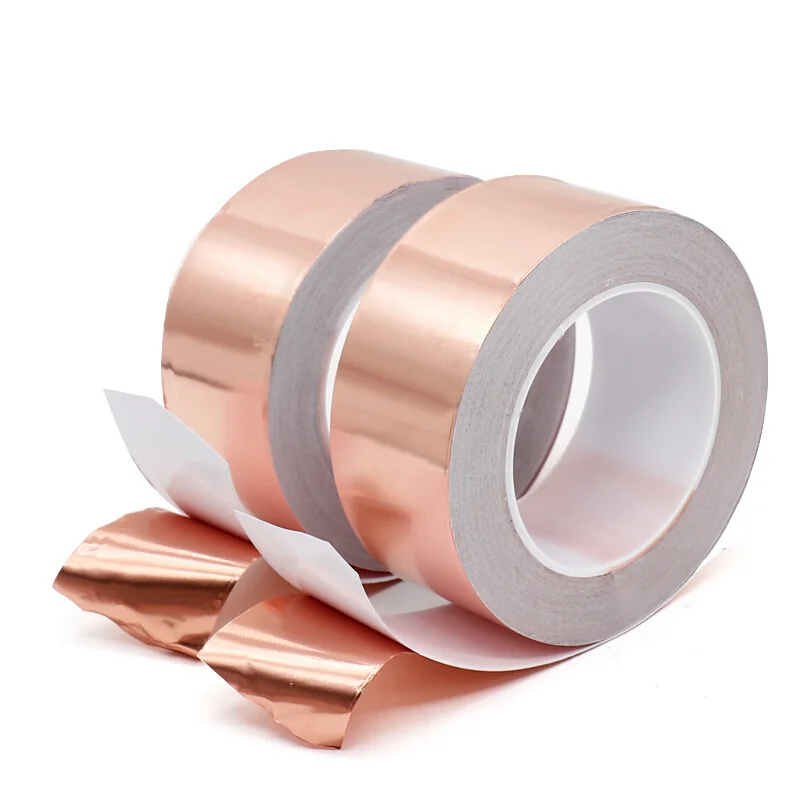
| Dielectric | Not for insulation | Good electrical insulation | Conductive backing | Good with suitable adhesive system |
| Conformability | High on seams and corners | Moderate | Moderate | Moderate to low |
| Hand-tearable | Good, depending on liner | No | No | Often yes |
| Relative cost | $$ | $ | $$$ | $$ |
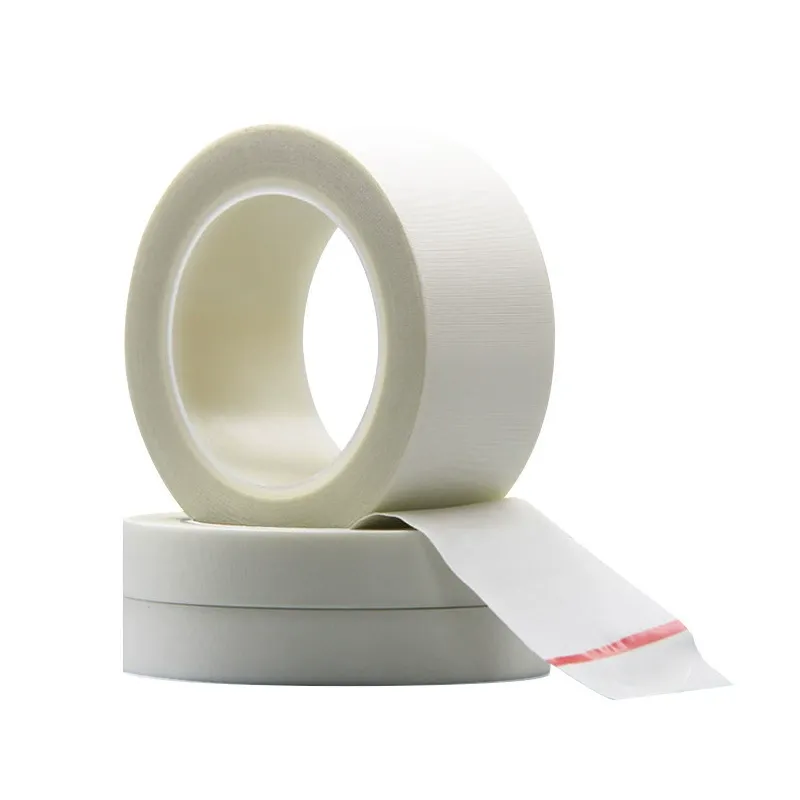
| Best fit | HVAC sealing, foil insulation repair, metal-surface sealing | Masking, insulation and low-cost film wrapping | Grounding and shielding where copper is required | High-temperature reinforcement and abrasion-resistant wrapping |
Customization Options
Send your target substrate, roll size, temperature window and packaging requirements so ChenTao can match the tape to your process.
Width, Length & Slit Tolerance
Bonding & Handling
Private Label & Logistics
Engineering Scenario - HVAC Duct Sealing
A typical specification framework for selecting aluminum foil tape in duct sealing and foil-faced insulation assembly.
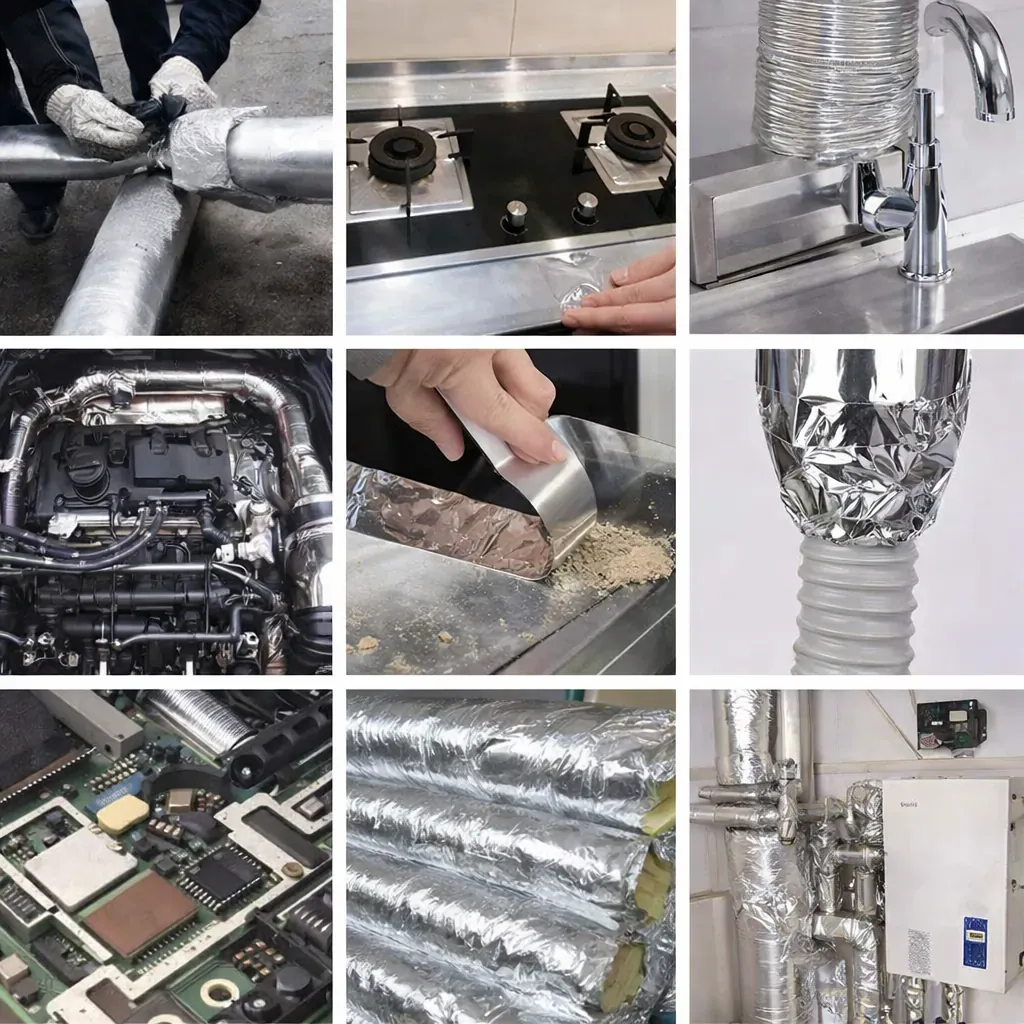
How ChenTao aluminum foil tape is specified into duct sealing workflows
HVAC and insulation teams usually need a tape that conforms to metal seams, keeps a continuous foil surface, bonds to clean duct or facing material, and remains stable through the expected service-temperature range.
ChenTao matches total thickness, adhesive type, roll width and liner format to the installation workflow. For repeat purchasing, custom slitting and batch QA reports help keep width, peel and thickness checks traceable.
Samples, quoting and documentation are kept practical so buyers can move from surface testing to repeat orders with fewer specification gaps.
Certifications & Material Compliance
Click any card to request the document package. ChenTao will email the requested file set within 24 hours.
Frequently Asked Questions
Ready to spec ChenTao Aluminum Foil Tape into your line?
22-year ISO 9001 / 14001 / 45001 manufacturer · Sample in 24 hours · Quote in 12 hours. Send your target width, thickness, substrate and application temperature for a like-for-like proposal.