
ChenTao · Wiring tape manufacturer
Self-Adhesive Wiring Harness Tape
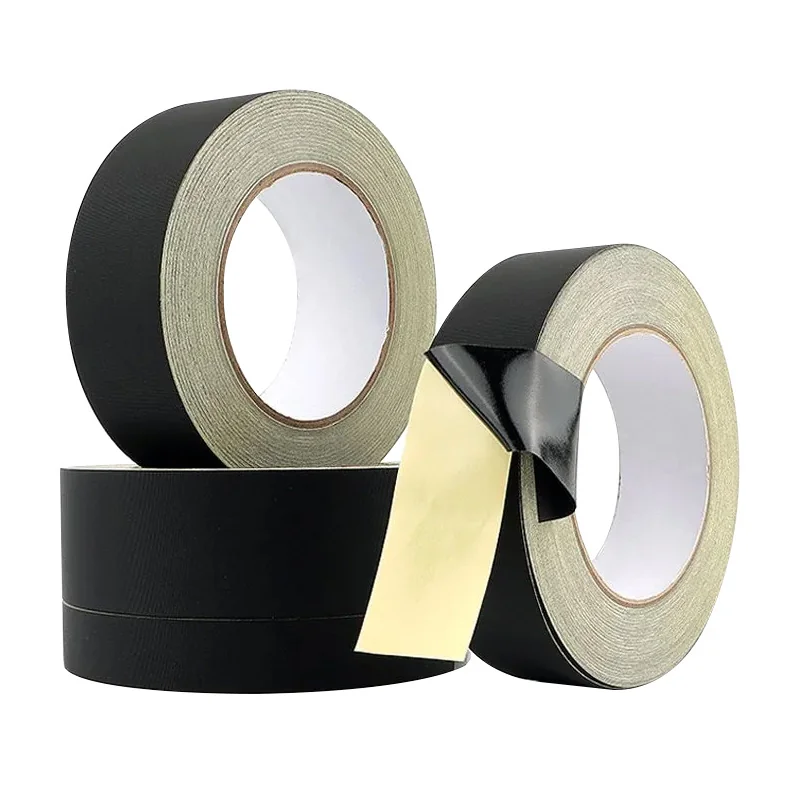
Adhesive-coated cloth tape for bundling insulated wires, cushioning contact points and reducing interior rattles. Custom-cut rolls and OEM packaging for automotive harness assembly and repair.
Ready to wrap: the tape carries its own adhesive. No separate glue or heat activation is needed.
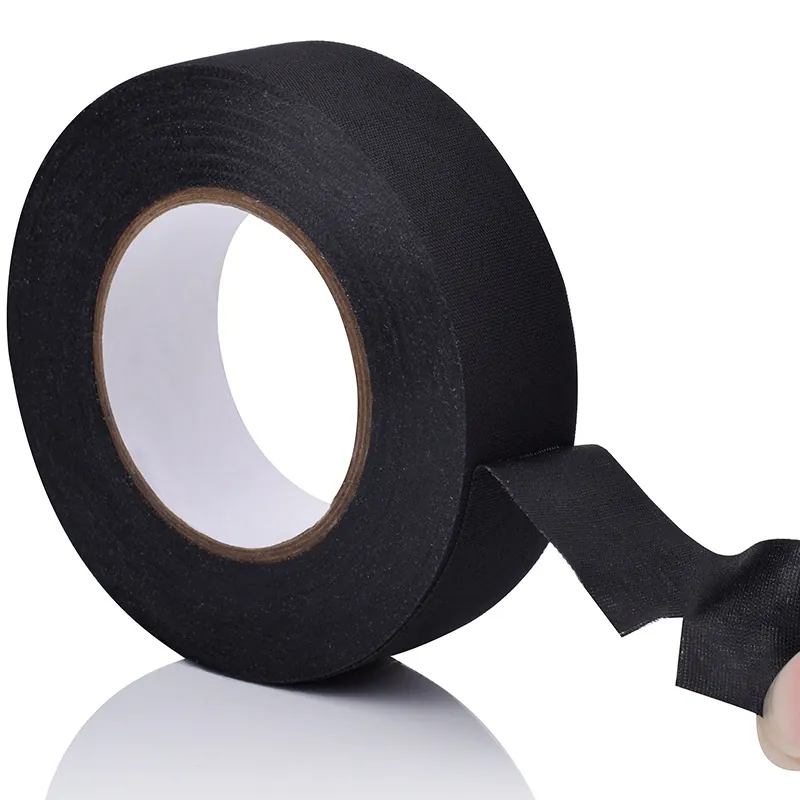
- Construction
- Self-adhesive cloth
- Colour
- Black
- Typical thickness
- 0.30 mm
- Roll length
- 15 m / custom
Product specifications
Product details at a glance
The essential data for an early fit check.
- Construction
- Single-sided cloth tape with a pressure-sensitive adhesive
- Backing
- Polyester fabric; soft fleece for interior wrapping
- Adhesive system
- Rubber or acrylic adhesive, depending on the tape construction
- Typical thickness
- 0.30 mm — interior fleece
- Temperature guide
- −40 to +105 °C — interior fleece
- Colour
- Black
- Roll dimensions
- Custom-cut width; 15 m or custom roll length
- Custom production
- Core dimensions, pre-cut shapes, OEM packs and printed labels
Thickness and temperature are selection references for the interior fleece construction. The order specification defines tolerances and service conditions, including exposure time and cable material.
Need a particular glue system, abrasion level or flame test? Send the harness drawing and operating conditions with your question.
Ask a Technical QuestionTape construction
Fabric outside. Adhesive inside.
- 01Fabric backingThe soft fleece surface cushions contact with trim and helps reduce local rattling. Woven cloth is a separate construction for more demanding rubbing conditions.
- 02Pressure-sensitive adhesiveA glue coating on one face sticks as you press it into contact. Overlapping turns bond to the tape backing, helping hold the wrap and its finishing end.
Common applications
Where this tape is commonly used
Use this soft, sticky cloth tape to hold wires together and cushion them where they touch nearby car parts. Here are four everyday examples.

Behind the dashboard
Wrap wires that touch nearby plastic panels. The soft fabric helps reduce tapping and rattling as the car moves.

Inside car doors
Cover wires behind the door trim. The tape adds a soft layer between the wires and nearby panels.

Organize a group of wires
Wrap several wires into one tidy bundle. Leave the wire ends and connectors free for fitting.

Rewrap an existing bundle
Use fresh tape when the old outer wrapping is loose or worn. Press the new tape end flat.
Illustrated examples. Wrap wires with intact insulation; this tape does not repair bare or damaged wires.
Tell us where the wires will be used and what you want to improve: noise, rubbing or keeping them together.
Prepare your inquiry
Find the right wrap for your harness
Choose the location and main job, then add dimensions and quantity. Your choices help us prepare the tape specification and quotation.
Animated usage guide
How to Use the Tape
Follow one wire bundle from start to finish. Watch what your hands need to do, or choose any step to see it again.
Wipe the wires clean
Keep the existing wire insulation in place. Wipe away dust and dirt, and let the wires dry before adding tape.
The blue arrows show the action. The gold edge marks the sticky face for illustration. Use the wrapping pattern required for your assembly.
This tape provides an outer covering. It does not repair damaged wire insulation or cover bare electrical joints. For hot engine areas or contact with oil and fuel, ask for a tape made for those conditions.
From inquiry to production
A clear next step for your project
Start with what you know. Confirm the product and commercial details before placing an order.
Share the requirement
Send the harness location, roll width and length, thickness and quantity. Include your preferred backing, glue system and any drawing or test requirement.
Review the proposal
We prepare the tape specification and quotation, including custom slitting, core size, pre-cut shapes and OEM packaging. Request samples for a trial wrap.
Confirm before production
Approve the sample, dimensions, packing and drawing revision. Check end adhesion, harness flexibility and the required service tests before bulk production.
Tell us the size you need. Sample availability and terms are confirmed for your request.
Frequently asked questions
Product questions & ordering information
Product & use
Is the tape self-adhesive? Do I need extra glue?
Yes. The cloth has a pressure-sensitive adhesive coating on one side. Wrap with the sticky face inward and press the finishing turn onto the tape underneath. No separate glue or heat activation is needed. Rubber and acrylic glue systems are used for different tape constructions.
How do fleece and woven cloth differ?
Fleece is a soft, nonwoven fabric that cushions contact and helps reduce harness rattling. Woven cloth has interlaced yarns and is used where stronger mechanical protection is needed. Both can use polyester (PET) fibers. Flame resistance is a property of the complete tape, so it cannot be determined from the word “polyester” alone.
Can I use it near an engine or on a battery harness?
Interior fleece tape is primarily for flexible bundling and contact-noise control. Hot or exposed locations need a construction matched to continuous and peak temperatures, exposure time and fluids. Include the required flame or electrical test when requesting that construction. Outer harness wrapping does not replace insulation on bare conductors or joints.
Can I tear it by hand, and will removal leave glue?
Soft fleece harness tapes are commonly hand-tearable, which helps with manual wrapping. Reinforced woven constructions may need cutting. If clean removal matters, try an aged sample on the actual cable jacket: adhesive transfer depends on the glue, surface, temperature and time in service.
Can you make custom rolls, shapes and OEM packs?
Yes. We support custom-cut widths, roll lengths, core dimensions, pre-cut shapes and OEM packaging with printed labels. Send the size and units, quantity, tolerances and any drawing. For a replacement tape, include a sample reference and the required backing or glue system.
Ordering & delivery
What are the sample and bulk order lead times?
Samples can be prepared within 48 hours. Bulk orders usually take 7–15 working days. Lead times start when the required payment is received; for orders on deposit terms, this means receipt of the deposit. Shipping time is additional.
How is the tape packed? Can I customize it?
Standard packing is clear bags and cartons. Custom packaging and printed labels are also available. Include your packaging or label requirements with your inquiry.
How can you ship my order?
We support express courier, air freight and sea freight. You can also use your own freight forwarder. Share your destination and preferred shipping method so freight costs and estimated transit time can be confirmed for your order.
What are your payment methods and terms?
Payment is by T/T (bank transfer). Orders below US$5,000 require 100% payment in advance. Orders of US$5,000 or more require a 50% deposit, with the remaining 50% paid before shipment.
What will the quotation confirm?
The quotation confirms the product specification, size or drawing, quantity, price, minimum order quantity, packing, production lead time, shipping arrangements and payment terms. Include any sample requirements with your inquiry.
Related tape options
Other insulating tape options
Compare cloth and film constructions for other electrical assembly tasks. Each tape has its own adhesive system and intended use.


Next step
Get a product quotation
Share the details you know in the form below. For drawings or photos, email frank@cttape.com with your company name and project reference.
Your quotation confirms the specification, price, MOQ, packing, lead time, shipping and payment terms.