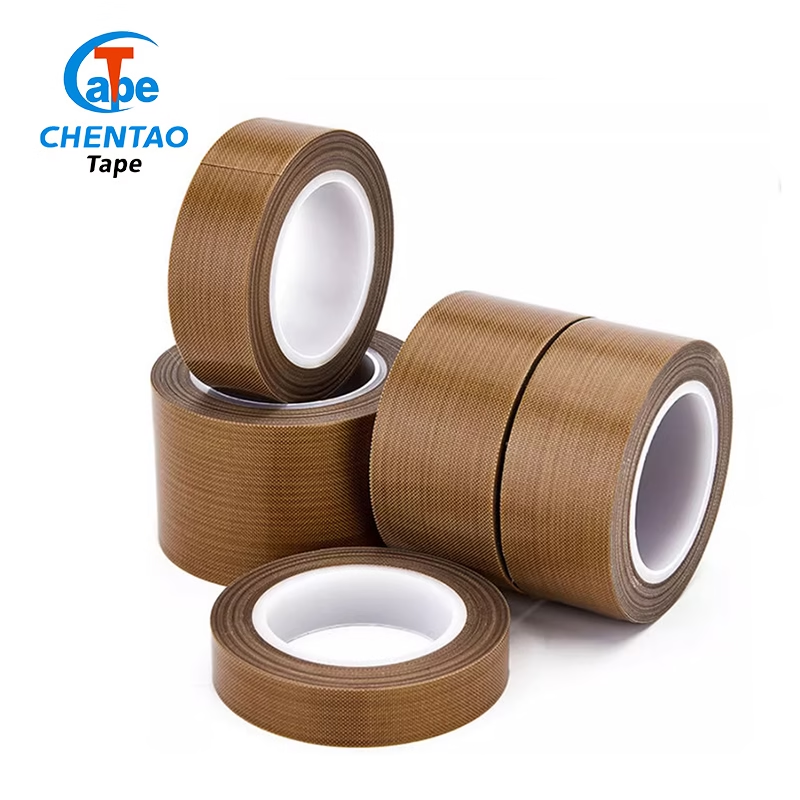
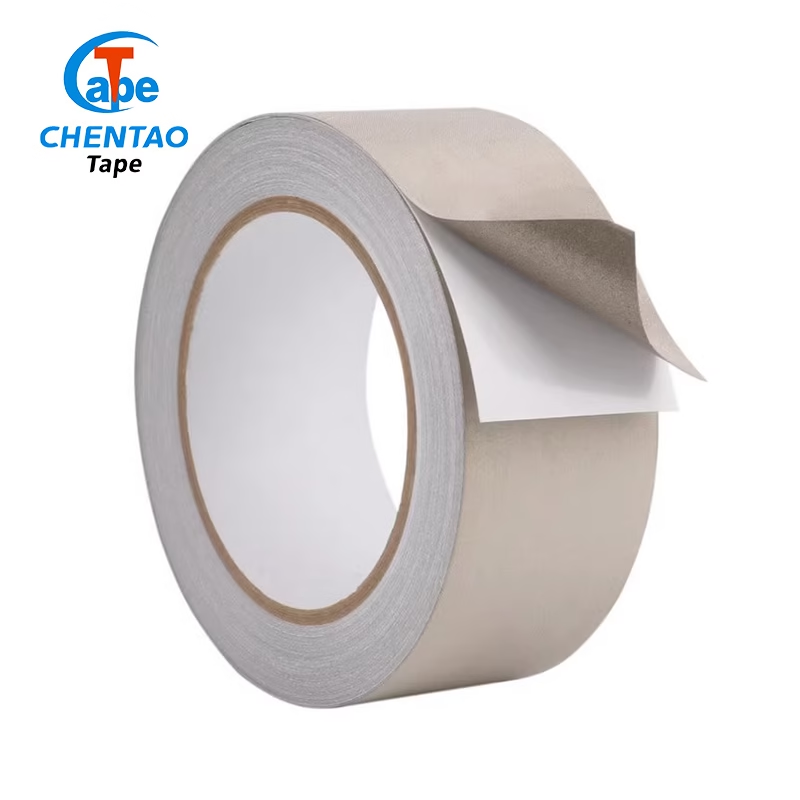
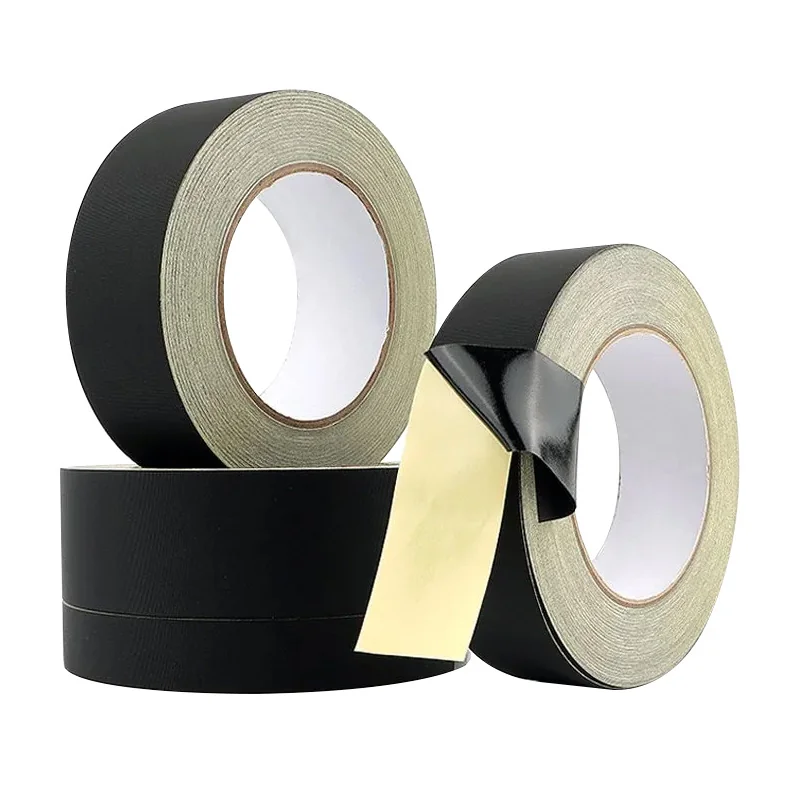
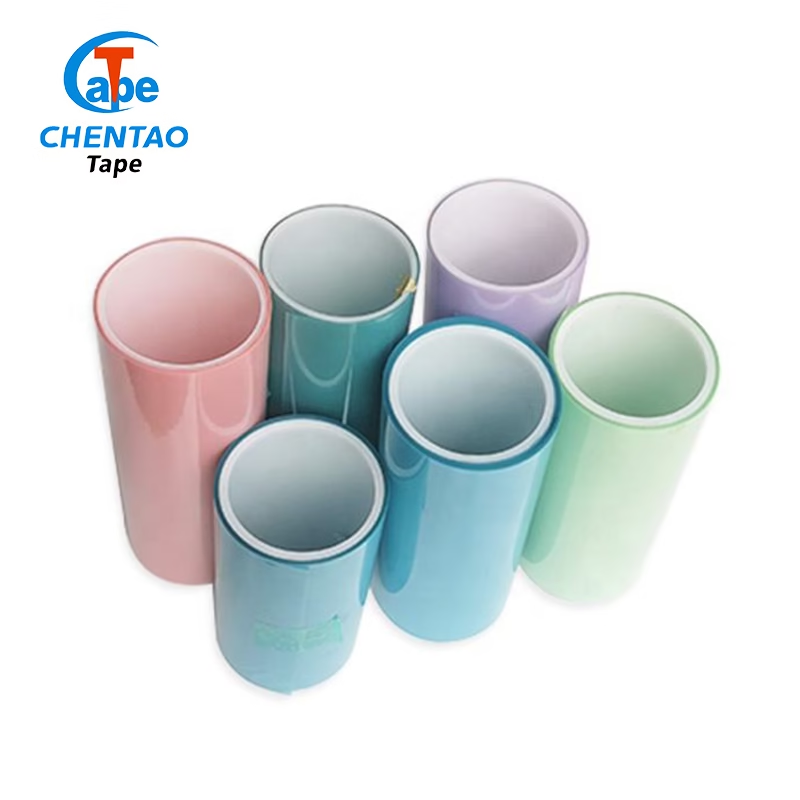
PTFE Film Tape: Engineering Selection and Application Guide
- Review PTFE materials, Teflon branding and available tape constructions.
- Compare application requirements and material properties.
- Confirm the specification of the product you plan to use.
On this page
The PTFE-Teflon Confusion Problem
Many manufacturers and engineers struggle to understand the relationship between PTFE and Teflon. This confusion leads to:
- Material selection errors (costing up to 20% in wasted resources)
- Suboptimal product performance
- Unnecessary production delays
The truth? PTFE (polytetrafluoroethylene) is the chemical compound, while Teflon is DuPont’s brand name for PTFE-based products. This guide clarifies their differences and helps you make informed decisions.
What Are PTFE and Teflon?
Chemical Composition
- PTFE: Synthetic fluoropolymer (C₂F₄)ₙ
- Teflon: Branded PTFE formulations with proprietary additives
Key Properties Comparison
Scroll sideways to compare all columns.
| Property | PTFE | Teflon |
| Temperature Range | -200°C to +260°C | -270°C to +315°C |
| Friction Coefficient | 0.05-0.10 | 0.02-0.10 |
| Chemical Resistance | Excellent | Enhanced |
| Cost | $ | $$ |
Data source: Plastics Industry Association 2023 Report
2 Critical Differences Between PTFE and Teflon
1. Manufacturing and Branding
- PTFE is the generic material
- Teflon includes DuPont’s proprietary formulations
- All Teflon is PTFE, but not all PTFE is Teflon
2. Performance Characteristics
- Teflon often has enhanced:
- Non-stick properties
- Wear resistance
- Temperature tolerance
Case Study: A food processing plant reduced equipment downtime by 35% after switching to Teflon-coated components instead of generic PTFE.
Industrial Applications Compared
PTFE Common Uses
- Gaskets and seals
- Electrical insulation
- Laboratory equipment
Teflon Preferred Applications
- Non-stick cookware
- High-performance bearings
- Aerospace components
Expert Insight: “For critical applications where failure isn’t an option, Teflon’s consistent quality control makes it worth the premium,” says Dr. Robert Chen, MIT Materials Science Professor.
How to Choose Between PTFE and Teflon
Decision Factors
- Budget constraints (PTFE is more cost-effective)
- Performance requirements (Teflon offers enhancements)
- Industry standards (Some sectors require branded materials)

PTFE vs Teflon FAQ
Is Teflon safer than PTFE?
A: Both have similar safety profiles when properly manufactured. Modern formulations are PFOA-free.
Can I use PTFE instead of Teflon?
A: In many applications, yes – but verify performance requirements first.
Who are leading Teflon adhesive tape manufacturers?
A: DuPont (inventor), 3M, and Saint-Gobain are industry leaders.
Cost-Benefit Analysis
Scroll sideways to compare all columns.
| Factor | PTFE | Teflon |
| Material Cost | $15-25/kg | $30-50/kg |
| Service Life | 5-7 years | 7-10 years |
| Failure Rate | 2-3% | <1% |
| ROI Period | 18 months | 12 months |
Conclusion: Make the Right Material Choice
Understanding the PTFE vs Teflon distinction helps optimize your material selection process. For most industrial applications, the decision comes down to performance needs versus budget constraints.
Need help deciding? Contact our material specialists for a free consultation.
Find the right tape for your application
Tell us what you need to bond, your operating conditions and the size or quantity you have in mind. Our team can help with material selection, samples and a quotation.
Discuss my application