
Protective Film for Industrial Surface Protection Applications
CT Tape supplies protective film solutions for electronics, metal fabrication, glass, plastic panels and automotive components, with flexible material, adhesion and custom converting options for temporary surface protection.
What Is Protective Film?
Protective film is a temporary surface protection material used to reduce scratches, dust, abrasion and handling damage during processing, transport, storage and assembly.
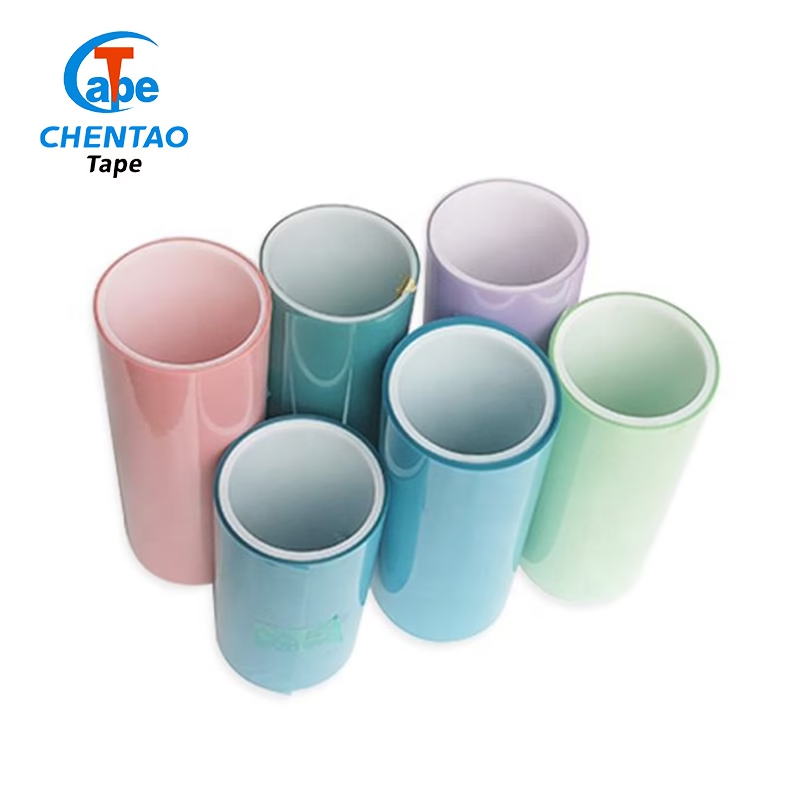
In industrial manufacturing, protective film helps keep product surfaces clean and intact before final delivery. It is commonly applied to metal sheets, glass, plastic panels and appearance-sensitive parts that require temporary protection during fabrication, internal handling or shipment.
Different projects may require different film materials, thicknesses and adhesion levels. CT Tape can support protective film selection based on substrate type, surface finish, processing conditions and removal requirements.
Explore Protective Film Subcategories
Different surfaces and processing conditions may require different protective film solutions. Browse the main subcategories below to find a more suitable option.
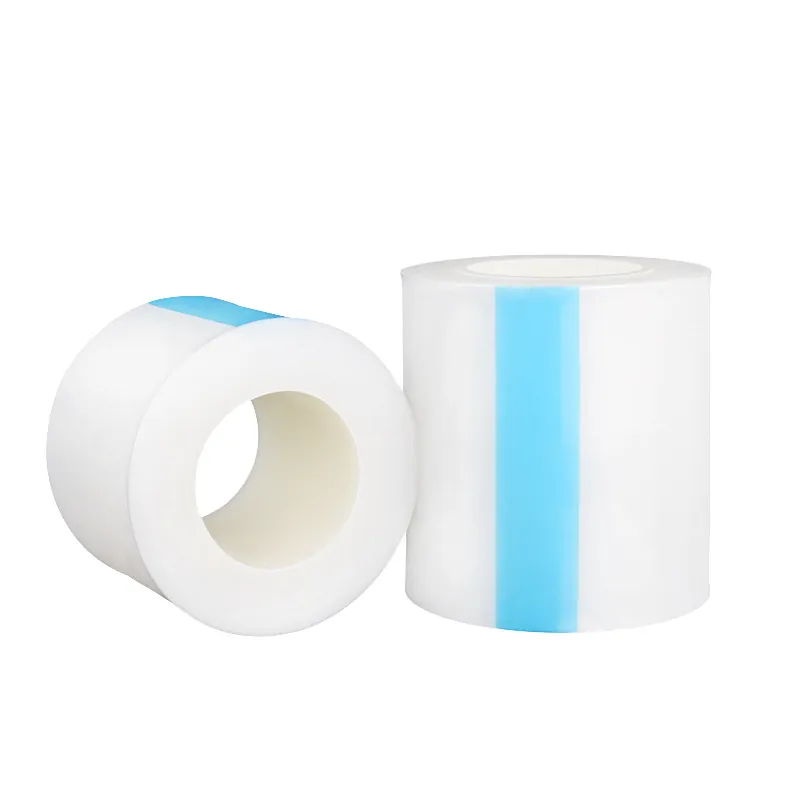
PE Electrostatic Protective Film
Electrostatic film for smooth surfaces with clean application and easy removal.
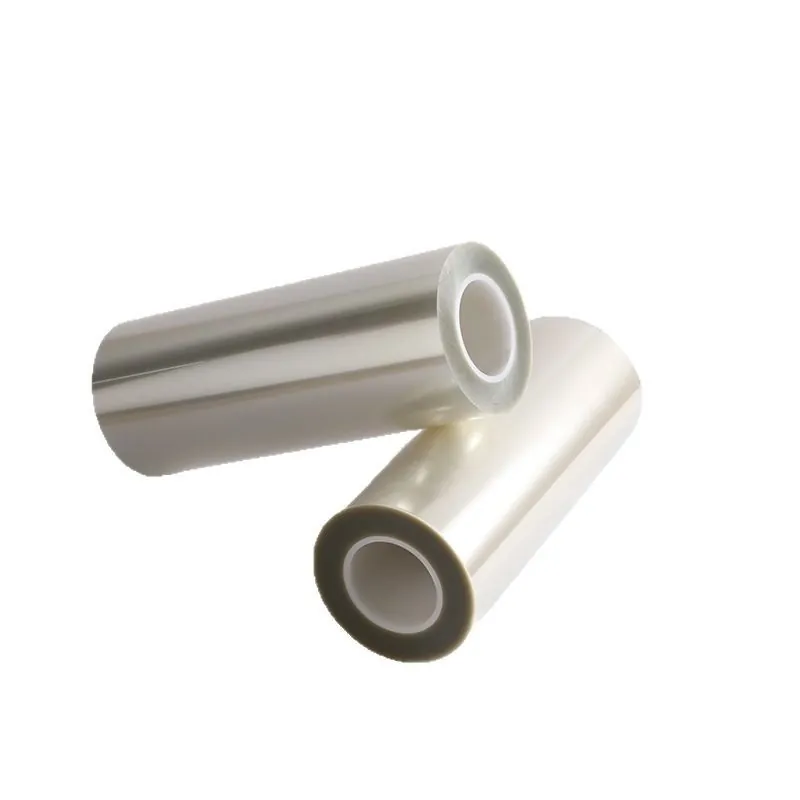
PET Protective Film
Stable protective film for appearance-sensitive surfaces with clean removal.
Thermal Debonding Protective Film
Protection film designed for controlled release after thermal processing.
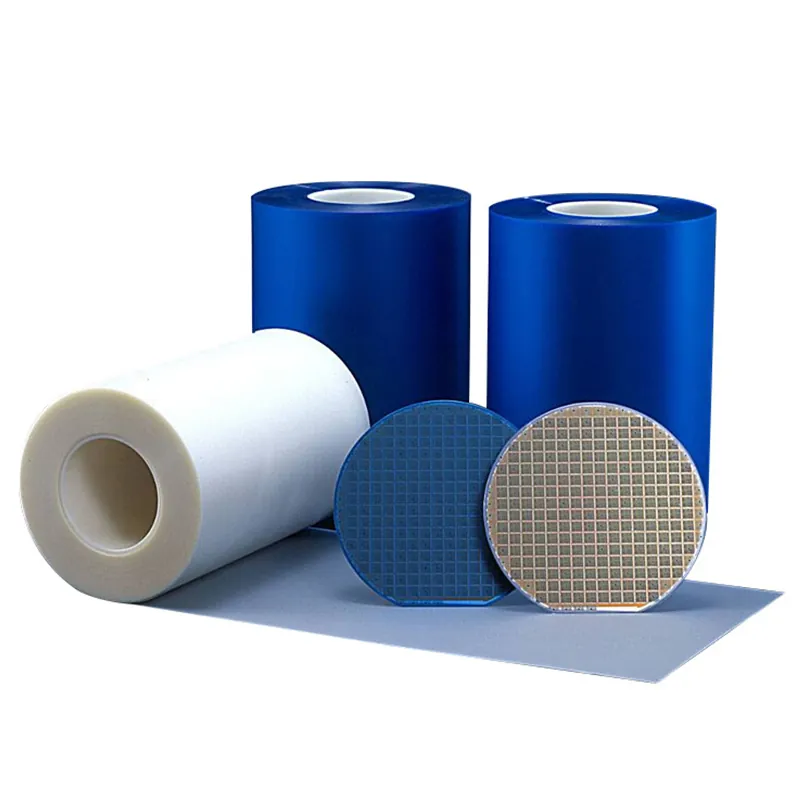
UV Viscosity Reducing Film
UV-responsive film for cleaner release and controlled downstream handling.
Acid and Alkali Protective Film
Temporary protection film with better resistance in chemical-related processes.
Key Benefits of Protective Film
Industrial buyers usually evaluate protective film by protection performance, clean removability, substrate compatibility and supply flexibility.
Surface Protection
Helps reduce scratches, dust and handling marks during fabrication, transport and storage.
Clean Removal
Suitable options can support clean removal after bending, cutting, forming or assembly.
Adhesion Options
Different adhesion levels can be matched to substrates, finishes and process conditions.
Material Compatibility
Can be used on metal, glass, plastic, coated panels and other appearance-sensitive surfaces.
Processing Flexibility
Supports roll use, sheet processing and temporary in-process protection requirements.
Custom Supply
Available with custom roll width, length, sheet format and converting support.
Where Protective Film Is Commonly Used
Protective film is widely used in industrial processing, shipment and assembly where appearance-sensitive surfaces need temporary protection and clean removal.
Metal Sheet & Panel Protection
Used to reduce scratches and handling marks on painted metal, stainless steel, aluminum sheet and decorative panels.
- Sheet processing and fabrication
- Transport and storage protection
Glass & Glossy Surface Protection
Suitable for glass, acrylic and other glossy surfaces that require clean removal and residue control after handling or delivery.
- Glass panels and display surfaces
- Clean appearance before final delivery
Plastic Parts & Decorative Panels
Applied to plastic sheets, molded parts and decorative panels to protect visible surfaces during production, packing and internal movement.
- Plastic sheet and board protection
- Decorative and coated plastic surfaces
Industrial Assembly & OEM Supply
Used in OEM projects where temporary protection is needed during processing, packaging or shipment before final installation.
- In-process temporary protection
- Custom formats for production use
Technical Options for Protective Film
Protective film is usually compared by material type, adhesion level, substrate compatibility, removal behavior and final supply format.
In practical projects, film material, adhesion level and supply format are usually evaluated together rather than separately.
Base film can be selected according to stability, handling and processing needs.
Adhesion is usually matched to substrate sensitivity and removal timing.
Selection depends on whether the protected surface is glossy, coated or delicate.
Thickness can be adjusted based on protection level and process conditions.
Removal behavior should fit cutting, storage time and delivery requirements.
Supply format can be matched to workflow, packaging and converting needs.
Protective Film Supply for Different Production Needs
In many industrial projects, protective film is not only selected by material and adhesion, but also by how it is supplied, processed and integrated into the production workflow.
CT Tape can support project-based supply formats for different handling, packaging and converting requirements.
Roll & Sheet Supply
Protective film can be supplied in rolls or sheets according to storage, handling and production line requirements.
Slitting & Size Matching
Supply dimensions can be adjusted to better match substrate width, processing steps and packaging efficiency.
Converted Formats
For some projects, protective film can be prepared in converted formats to improve handling and workflow consistency.
OEM Packing Support
Packaging and delivery arrangements can be aligned with OEM supply, internal handling and shipment requirements.
Why Industrial Buyers Work with CT Tape
For protective film projects, buyers usually look for practical application understanding, responsive communication, flexible supply coordination and stable project follow-up.
Application-Oriented Support
Recommendations can be aligned with substrate type, surface finish, handling conditions and removal requirements.
Flexible Supply Matching
Roll, sheet and project-based supply formats can be matched to different workflows and packaging needs.
OEM Project Coordination
Support can cover sampling, confirmation, packaging discussion and supply coordination in OEM-oriented projects.
Industrial Supply Mindset
The focus is on practical fit, process understanding and steady cooperation rather than generic off-the-shelf product selling.
Frequently Asked Questions
Here are some of the common questions industrial buyers ask when selecting protective film, evaluating supply options and discussing project support.