
ChenTao · Industrial tape manufacturer
Acrylic Foam Double Sided Tape
Mount signs, trim and panels with clear or gray acrylic foam tape. Choose the appearance, thickness and finished format for your assembly: custom rolls, sheets or die-cut parts.
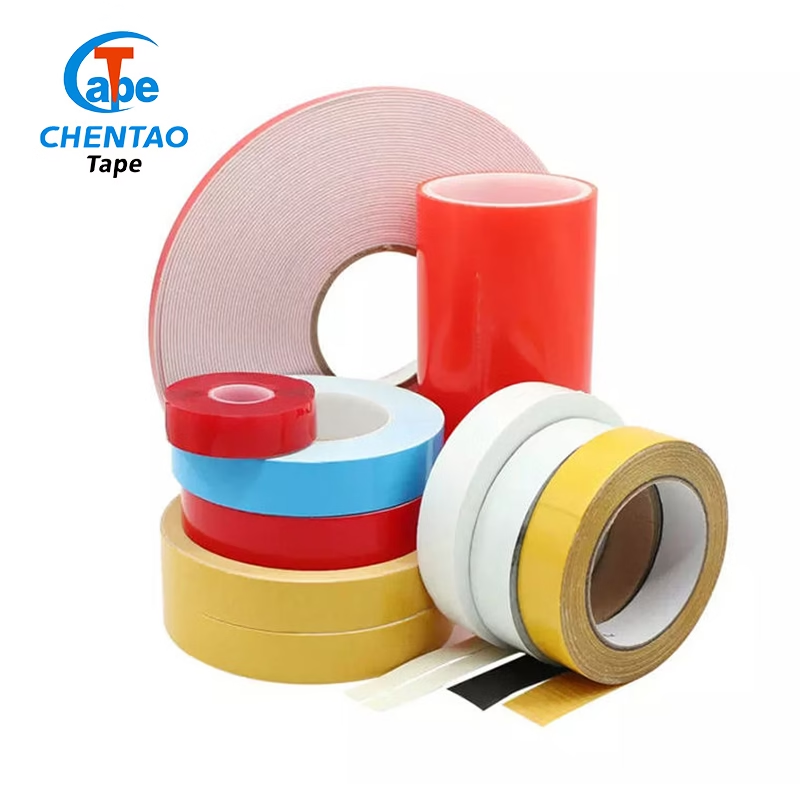
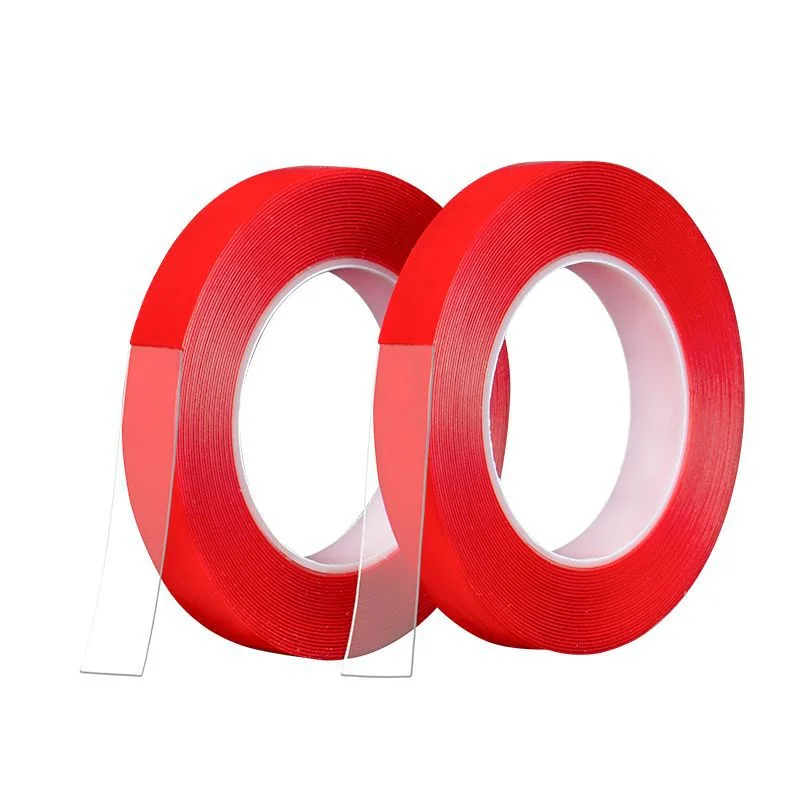
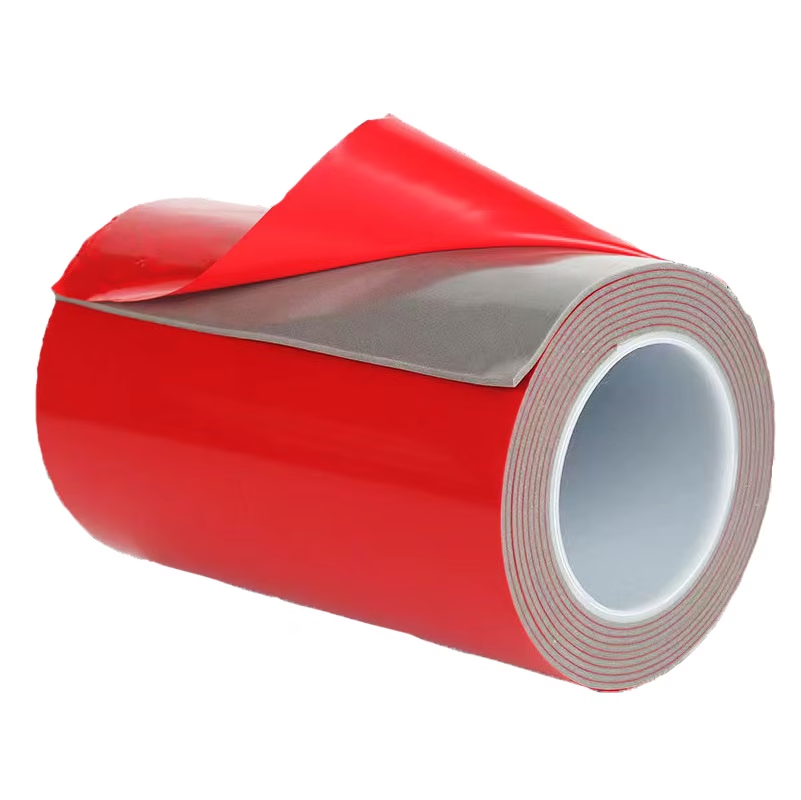
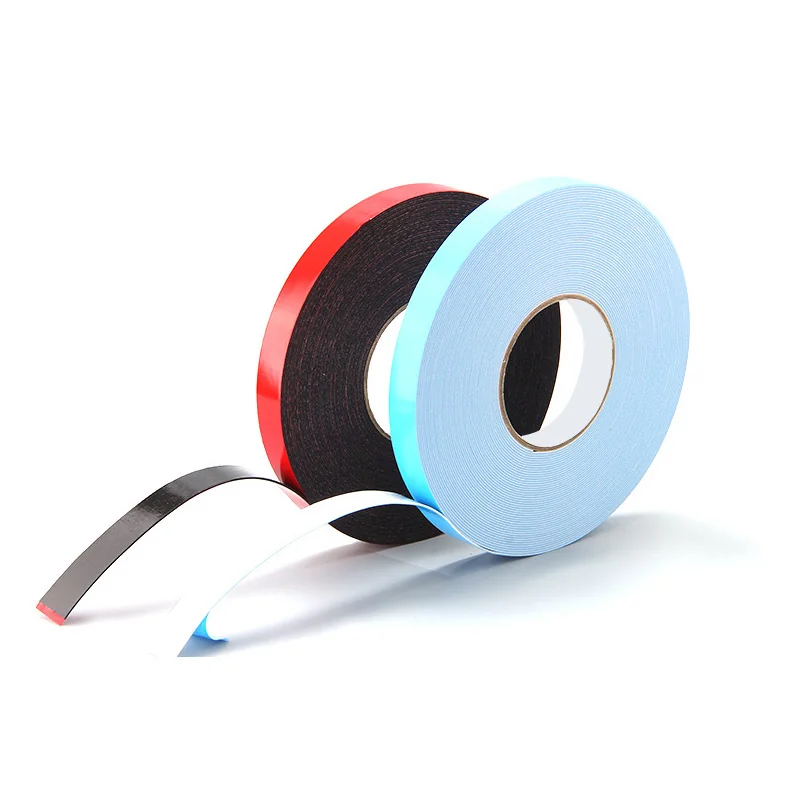
The red film is the removable liner. Choose the tape color for the finished joint, then check the surfaces and working conditions.
- Thickness range
- 0.25–3.0 mm
- Tape colors
- Clear / gray
- Adhesive
- Acrylic
- Supply formats
- Roll / sheet / die-cut
Product specifications
Clear and gray options at a glance
Start with the appearance of the joint, then match the dimensions and working conditions.
- Clear / transparent
- When the bond can be seen through the partConsider clear tape for glass or transparent acrylic parts where a visible colored strip is undesirable. Check the assembled appearance on your actual parts.
- Gray
- When the tape sits behind an opaque partConsider gray tape for trim, signs and panels where the joint is hidden. For projects comparing a 3M VHB tape, explore the CT gray option.View gray tape →
- Thickness
- 0.25–3.0 mm across the rangeChoose the thickness around the joint gap and assembly fit. The available thicknesses depend on the color and tape specification.
- Construction
- Double-sided acrylic foam tapeAcrylic bonding faces contact both parts. The foam accommodates small differences between surfaces and spreads force across the bonded area.
- Supply formats
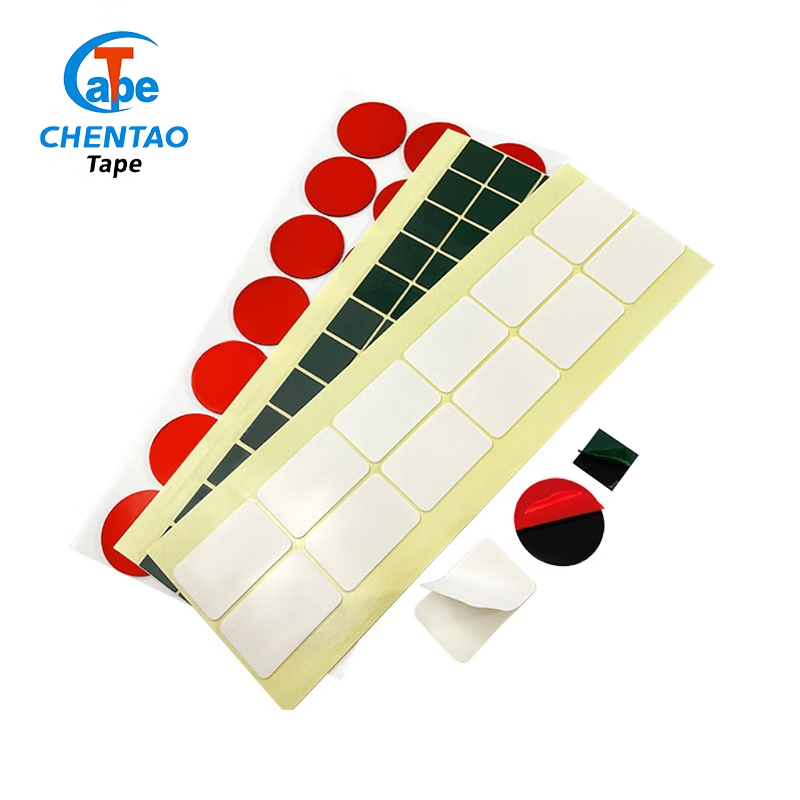
- Custom rolls, sheets and die-cut partsSend the roll width and length, or a dimensioned drawing for pads, strips and other cut shapes, together with the quantity.
- Working conditions
- Match the tape to temperature, load and exposureTell us the lowest and highest temperatures, time at peak temperature, contact area and indoor or outdoor conditions. Evaluate a sample under those conditions.
The thickness range covers the series. Available color and thickness combinations, liner, finished dimensions and tolerances are confirmed in the quotation.
Tell us the two surfaces, preferred color and thickness, and how the finished joint will be used.
Ask a Technical QuestionLayer guide
Two bonding faces and a removable liner
- 01Peel-off backingRemoved during application
- 02Top acrylic adhesiveBonds to the first surface
- 03Flexible acrylic foamFollows small gaps and spreads force
- 04Bottom acrylic adhesiveBonds to the second surface
Common applications
Where this tape is commonly used
Typical uses for trim, signs, housings and panels. Confirm the actual surfaces and load before production.
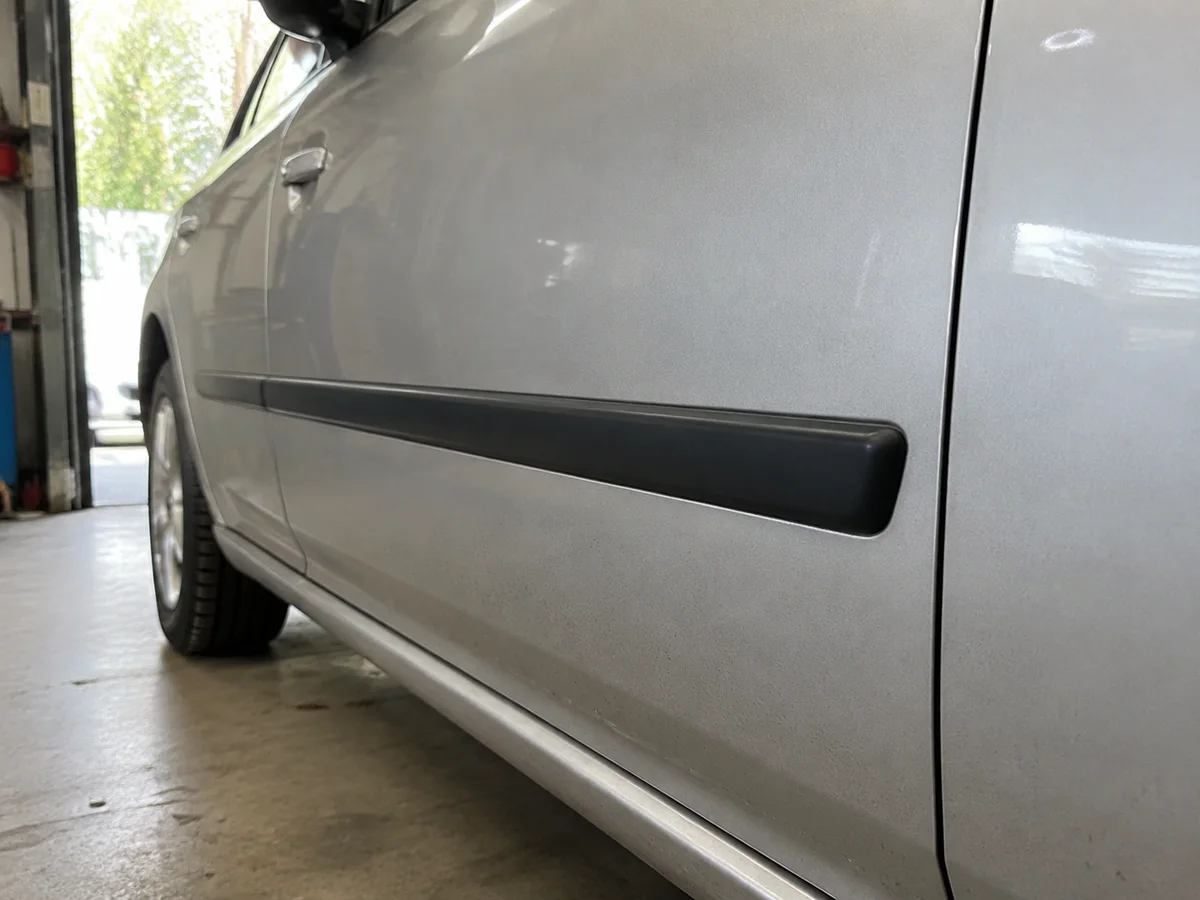
Automotive trim
Attach decorative strips with the tape hidden between the strip and the vehicle surface.
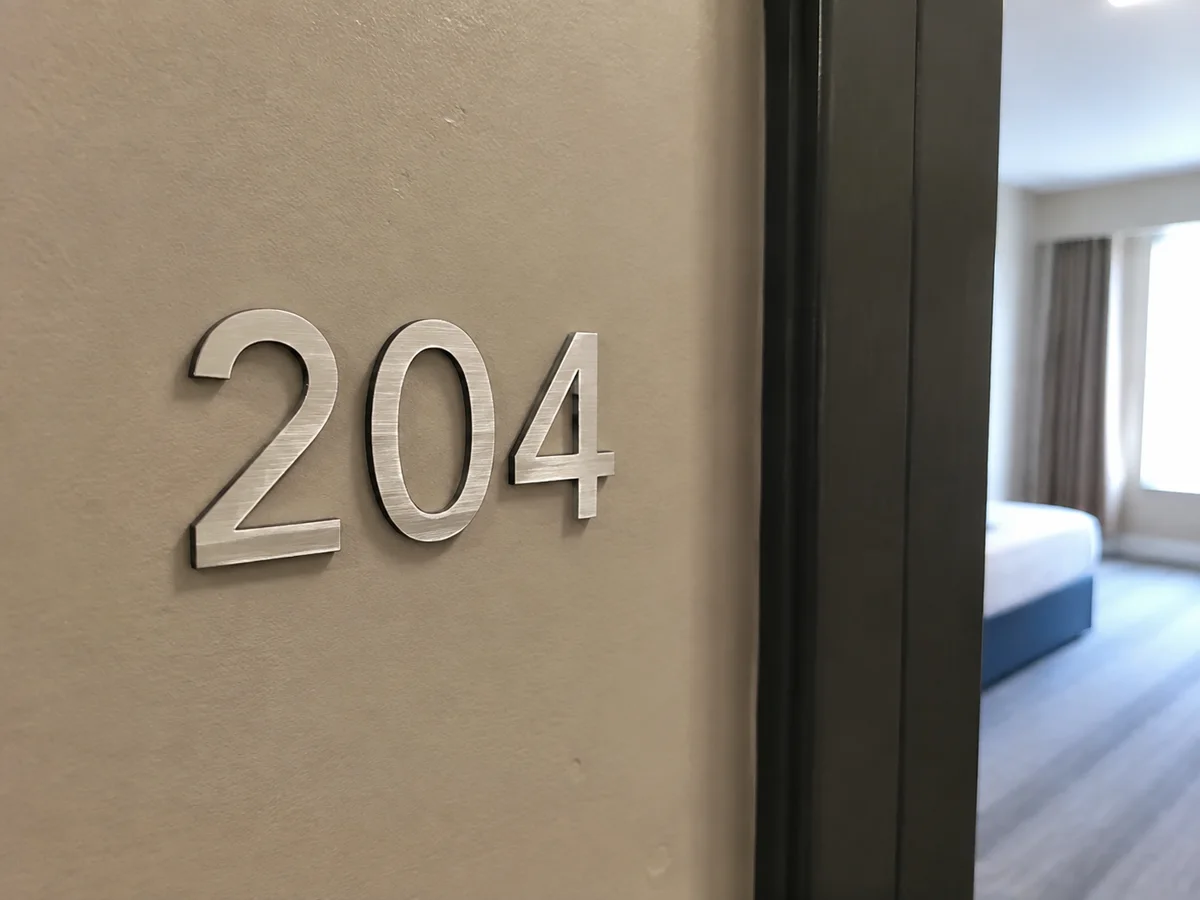
Signs & displays
Bond letters or signs from behind. For clear display parts, also check how the joint looks through the front.
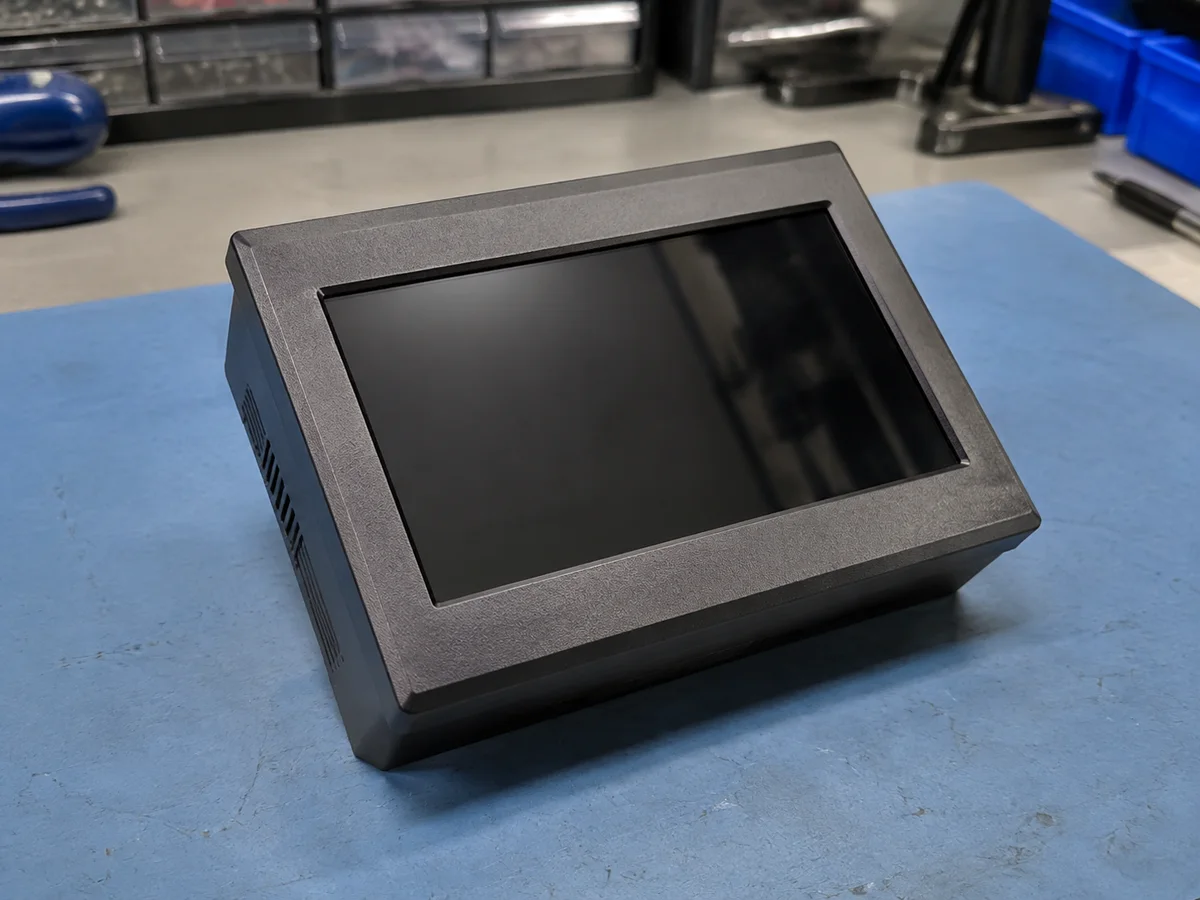
Electronics housings
Position narrow strips or cut frames around covers and front panels while keeping openings clear.
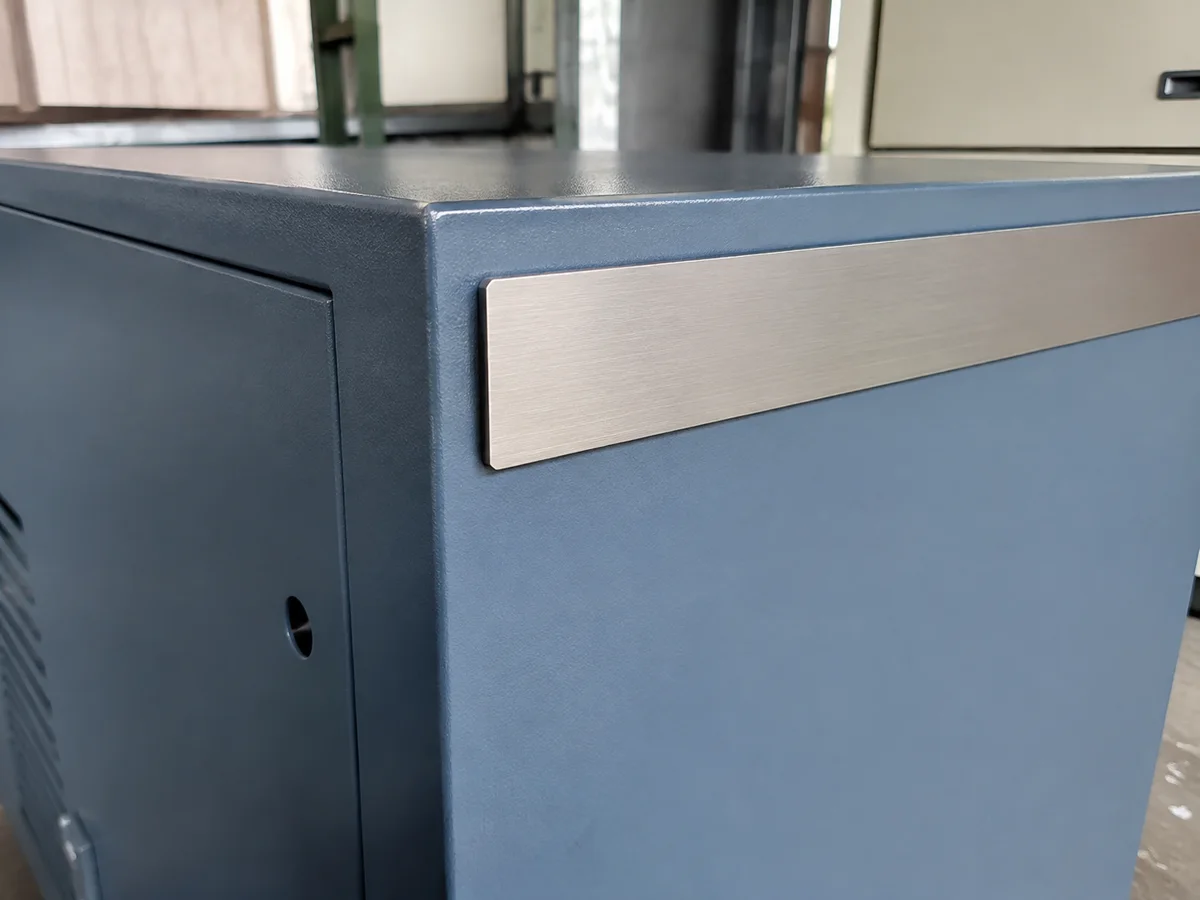
Industrial panels
Bond trim or panels along their contact area. Match the tape to the coating, load and working conditions.
Start with the two surfaces you need to bond.
Prepare your inquiry
Start with your two surfaces
Start with the two surfaces and add any sizes you know. Include a clear or gray preference in your message, or ask us to help you choose.
Animated usage guide
How to Use the Tape
Follow the five steps, or choose a step to see the action up close.
Clean and dry both surfaces
Remove dust, oil and residue. Let both surfaces dry completely before applying the tape.
Surface preparation and waiting time should follow the agreed application conditions.
For overhead parts, heavy loads or hazardous failure, discuss the full application and any additional restraints. Test actual parts under the intended load and environment.
From inquiry to production
A clear next step for your project
Start with what you know. Confirm the product and commercial details before placing an order.
Share the requirement
Send both surfaces, finished size and estimated quantity. Email any drawing or photo.
Review the proposal
Check thickness, colour, price, MOQ, packing and lead time. Ask for the applicable data and sample options.
Confirm before production
Agree dimensions, tolerance, liner and drawing revision. Complete the application checks and sample testing needed for your parts.
Tell us the size you need. Sample availability and terms are confirmed for your request.
Frequently asked questions
Product questions & ordering information
Product & use
Should I choose clear or gray acrylic foam tape?
Start with the appearance of the finished joint. Clear tape is a candidate when bonding through glass or a transparent part; gray tape is a candidate behind an opaque sign, trim or panel. Then compare the surfaces, thickness, load and exposure. Color alone does not establish bonding strength.
Is the gray VHB alternative part of this range?
Yes. CT gray acrylic foam belongs to this material family. Our gray acrylic foam tape page covers projects evaluating alternatives to selected 3M VHB tapes. CT tape is our own product; a replacement needs comparison and testing on the actual parts.
Can this acrylic foam tape be used outdoors?
It may be suitable after reviewing temperature, water, sunlight, exposed edges and load. State that it is outdoor use and test this product on the actual parts.
What information is needed for a recommendation?
Start with both surfaces, the finished size and estimated quantity. For an application review, also share the part weight, tape contact area, working temperature and environment, and what would happen if the bond failed.
Can you supply custom widths or pre-cut parts?
Custom rolls, sheets and pre-cut shapes can be reviewed from a drawing. Options depend on dimensions, tolerance, liner and order quantity.
Should I test before production?
Yes. Test actual parts using the planned cleaning, pressure and waiting time, then apply the expected load, temperature and environment.
Ordering & delivery
What are the sample and bulk order lead times?
Samples can be prepared within 48 hours. Bulk orders usually take 7–15 working days. Lead times start when the required payment is received; for orders on deposit terms, this means receipt of the deposit. Shipping time is additional.
How is the tape packed? Can I customize it?
Standard packing is clear bags and cartons. Custom packaging and printed labels are also available. Include your packaging or label requirements with your inquiry.
How can you ship my order?
We support express courier, air freight and sea freight. You can also use your own freight forwarder. Share your destination and preferred shipping method so freight costs and estimated transit time can be confirmed for your order.
What are your payment methods and terms?
Payment is by T/T (bank transfer). Orders below US$5,000 require 100% payment in advance. Orders of US$5,000 or more require a 50% deposit, with the remaining 50% paid before shipment.
What will the quotation confirm?
The quotation confirms the product specification, size or drawing, quantity, price, minimum order quantity, packing, production lead time, shipping arrangements and payment terms. Include any sample requirements with your inquiry.
Related tape options
Gray tape and other constructions
Explore the gray option in this acrylic foam range, or compare PE foam and thin PET film for a different joint structure.
Next step
Get a product quotation
Share the details you know in the form below. For drawings or photos, email frank@cttape.com with your company name and project reference.
Your quotation confirms the specification, price, MOQ, packing, lead time, shipping and payment terms.