
ChenTao · Protective film manufacturer
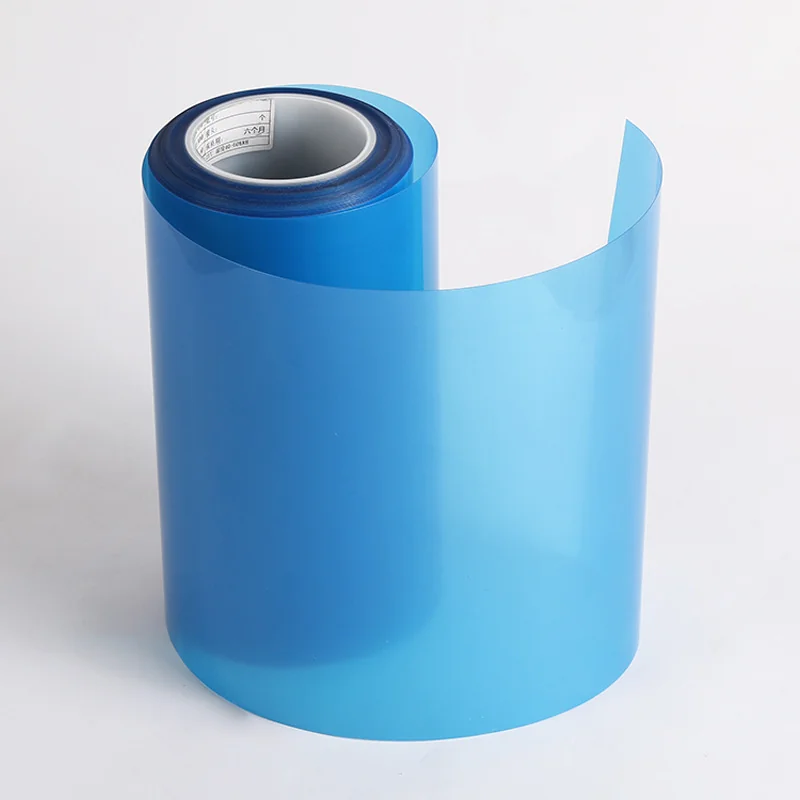
UV Release Film
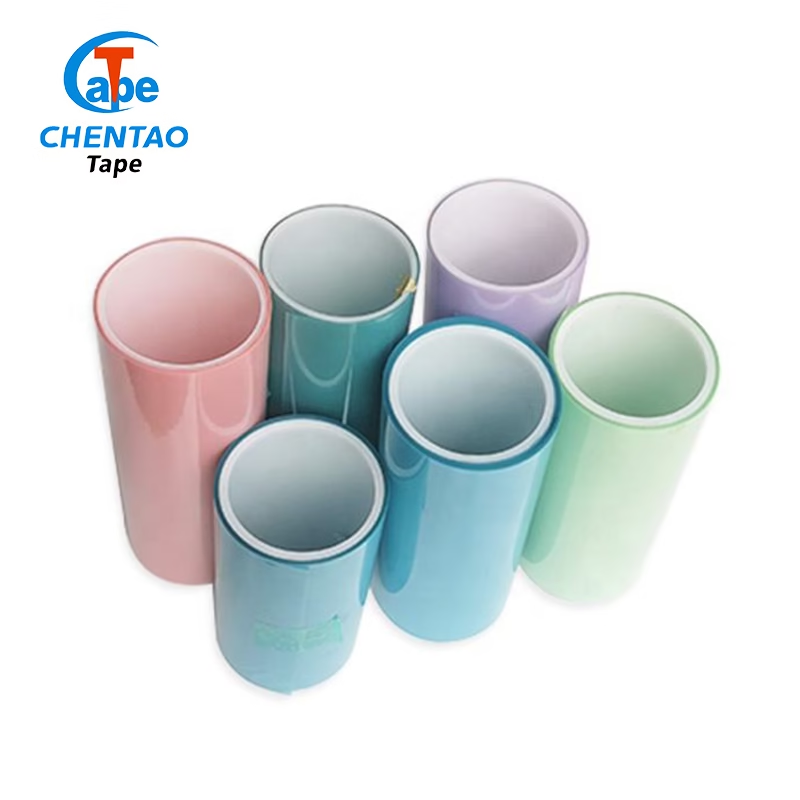
Hold parts in place during cutting or processing, then reduce adhesion with UV light for easier removal. Custom roll sizes and pre-cut shapes for your production process.
Also called UV viscosity reducing film. Match the film to your part and UV equipment.
- Function
- Hold, expose & release
- Working thickness
- 150 ± 5 μm
- UV dose reference
- 300–500 mJ/cm²
- Supply
- Rolls & pre-cut shapes
Product specifications
Product details at a glance
The essential data for an early fit check.
- Working thickness
- 150 ± 5 μmCarrier: 125 ± 3 μm. Adhesive: 25 ± 2 μm. The working layer is the carrier plus adhesive, without the peel-off backing.
- Adhesion before UV
- ≥ 10 N/25 mm on steelInitial holding force before UV exposure. Holding on glass, silicon or a coated surface can differ from the steel result.
- Adhesion after UV
- ≤ 0.1 N/25 mm on steelReduced peel force after UV exposure. Check removal on your part after the complete processing cycle.
- UV exposure dose
- 300–500 mJ/cm² referenceDose is UV energy received per unit area, not lamp wattage or a fixed exposure time. Match wavelength, intensity and exposure time to the film and equipment.
- Custom sizes
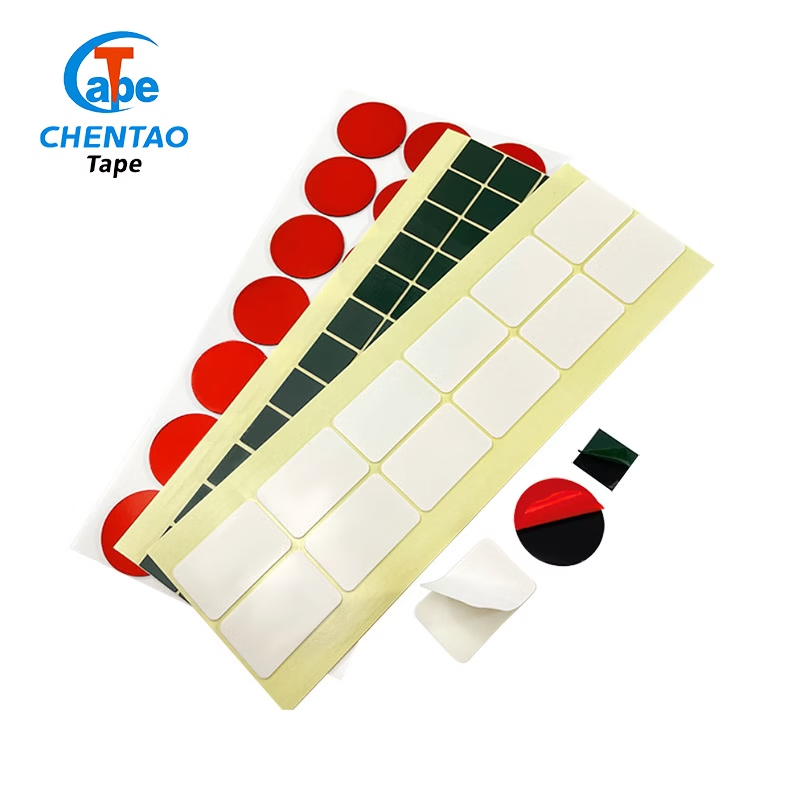
- Slit rolls and pre-cut shapesSpecify width and roll length, or send a drawing with dimensions, cut-outs, peel tabs and tolerances. Ask about thickness options for your process.
- OEM options
- Core, packaging and printed labelsInclude core material and diameter, roll orientation, quantity and packing requirements with your inquiry.
Reference values for this film specification. Working thickness excludes the peel-off backing. Adhesion is measured on steel; peel angle, speed and UV wavelength are not stated. Confirm the test conditions and trial the film on your part.
Send the part material, processing steps, UV lamp wavelength and available dose. We can help match holding strength and release to your process.
Ask a Technical QuestionFilm construction
Hold first. Release with UV.
- 01Carrier filmSupports the adhesive and the part during handling and processing.
- 02UV-release adhesiveHolds before exposure. Adhesion falls when the specified UV light reaches it.
- 03Peel-off backingProtects the adhesive before use. Remove it as you apply the film.
Common applications
Where UV release film is used
Use UV release film where parts need temporary support during processing and can receive a controlled UV exposure before removal.

Wafer & chip processing
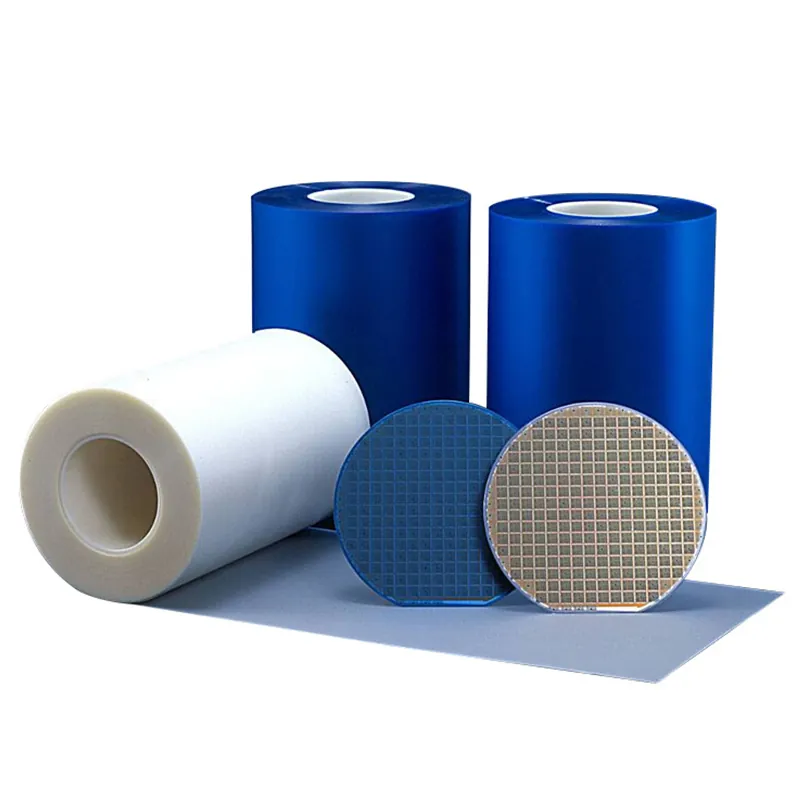
Support wafers and hold chips during cutting. Match the film to the wafer surface, cutting conditions and the way chips are picked up after UV release.
Glass & optical parts
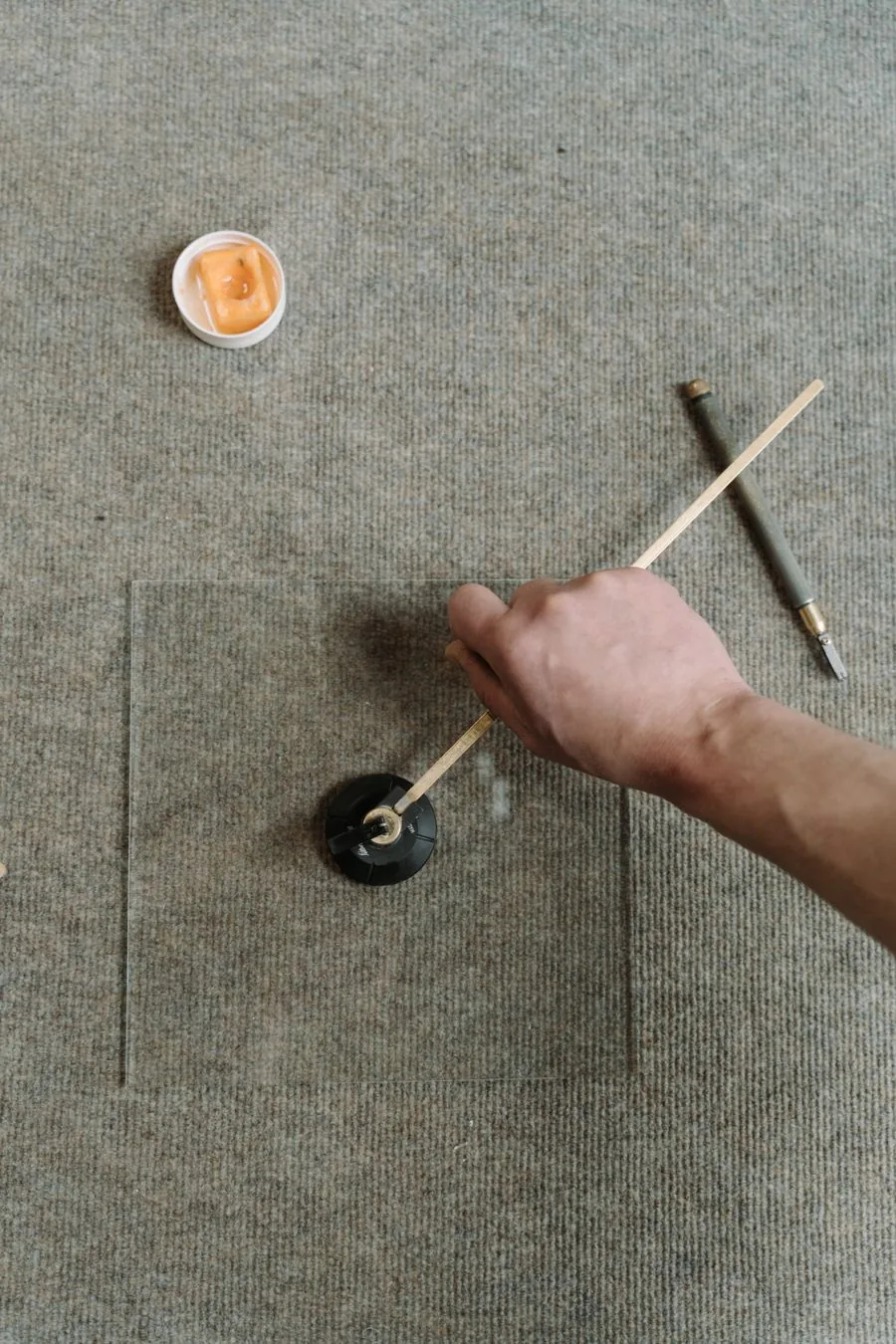
Protect or hold glass parts during cutting and polishing. Check surface coatings and the route UV light will take to reach the adhesive.

Small ceramic components
Hold small, fragile parts during positioning and cutting. Trial the film with your ceramic surface and check release after UV exposure.
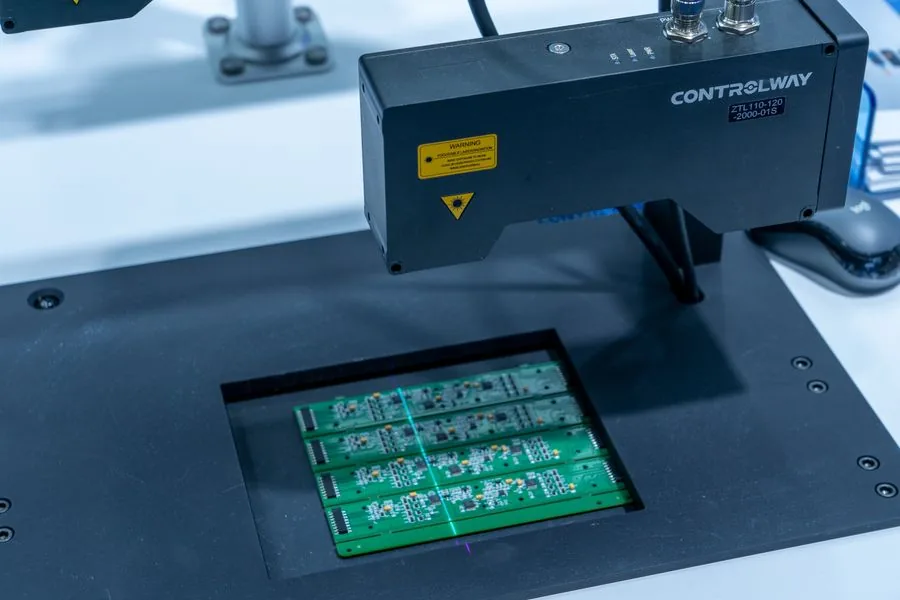
Circuit board processing
Support boards or thin electronic parts during machining. Include copper, solder mask, process fluids and static-control requirements when choosing the film.
Tell us what you are cutting or protecting, which surface touches the film and how the finished parts will be removed.
Prepare your inquiry
Find a film for your process
Choose your application and supply format, then add the sizes you know. You can leave dimensions blank and ask us to recommend a film.
Animated usage guide
Apply the Film, Then Release It with UV
Follow one glass part through film application and UV-assisted removal. This example shows surface protection; wafer mounting and chip pickup need tooling suited to those processes.
Clean and dry the contact surface
Remove dust and oil using a cleaning method suitable for the part. Let the surface dry before applying the film.
Check the film after your actual machining, cleaning and UV exposure. Light must reach the adhesive across the whole contact area. Use enclosed UV equipment and its specified shielding; check the removed part for residue or marks.
From inquiry to production
A clear next step for your project
Start with what you know. Confirm the product and commercial details before placing an order.
Share the requirement
Send the application, part surface, supply format, dimensions and quantity. Include the UV lamp wavelength, dose and any drawing with units.
Review the proposal
Review film thickness, adhesion, UV exposure conditions, finished sizes, core and packaging in the quotation. Test samples through the complete process.
Confirm before production
Approve the sample, drawing and packing details. Confirm that parts stay in place during processing and release correctly before bulk production.
Tell us the size you need. Sample availability and terms are confirmed for your request.
Frequently asked questions
Product questions & ordering information
Product & use
What is UV release film?
UV release film, also called UV viscosity reducing film or UV debonding tape, is an adhesive film for temporary holding and protection. It holds before exposure, then becomes easier to remove after the specified UV treatment. It is not a permanent bonding film or a film designed to block sunlight.
How do I choose the UV wavelength and exposure time?
Match the lamp spectrum and exposure dose to the quoted film. The 300–500 mJ/cm² value above is a dose reference, not a universal timer setting. Light intensity, distance, film transmission and shadows affect the dose reaching the adhesive. Share your equipment details so the exposure conditions can be checked.
Can UV release film be used for wafer dicing and glass processing?
These are common uses for this type of film. The right film still depends on the contact surface, part thickness, cutting method, process fluids and pickup equipment. Dicing and wafer back grinding place different demands on the film. For sensitive parts, include cleanliness, static-control and residue limits in the sample trial.
Will it always peel off without residue?
UV exposure reduces adhesion, but the surface and complete processing history also affect removal. Check for residue, marks and damage after a full sample cycle. Do not assume that one exposure setting suits every surface, or reuse exposed film as a fresh holding layer.
What thickness and custom formats can I order?
The listed specification has a 150 ± 5 μm working thickness: 125 ± 3 μm carrier plus 25 ± 2 μm adhesive. This excludes the peel-off backing. We support custom roll sizes and pre-cut shapes. Send a drawing, quantity, core and packaging details, and tell us if you need another thickness.
How should I store the film before use?
Keep unused rolls in their original light-blocking packaging, away from sunlight and other UV sources. Protect the adhesive from dust and moisture. Follow the storage temperature, humidity and shelf life supplied with the quoted film.
Ordering & delivery
What are the sample and bulk order lead times?
Samples can be prepared within 48 hours. Bulk orders usually take 7–15 working days. Lead times start when the required payment is received; for orders on deposit terms, this means receipt of the deposit. Shipping time is additional.
How is the film packed? Can I customize it?
Standard packing is clear bags and cartons. Custom packaging and printed labels are also available. Include your packaging or label requirements with your inquiry.
How can you ship my order?
We support express courier, air freight and sea freight. You can also use your own freight forwarder. Share your destination and preferred shipping method so freight costs and estimated transit time can be confirmed for your order.
What are your payment methods and terms?
Payment is by T/T (bank transfer). Orders below US$5,000 require 100% payment in advance. Orders of US$5,000 or more require a 50% deposit, with the remaining 50% paid before shipment.
What will the quotation confirm?
The quotation confirms the product specification, size or drawing, quantity, price, minimum order quantity, packing, production lead time, shipping arrangements and payment terms. Include any sample requirements with your inquiry.
Related protective films
Other protective film options
Compare the way each film attaches and is removed. Choose the process that suits your part.
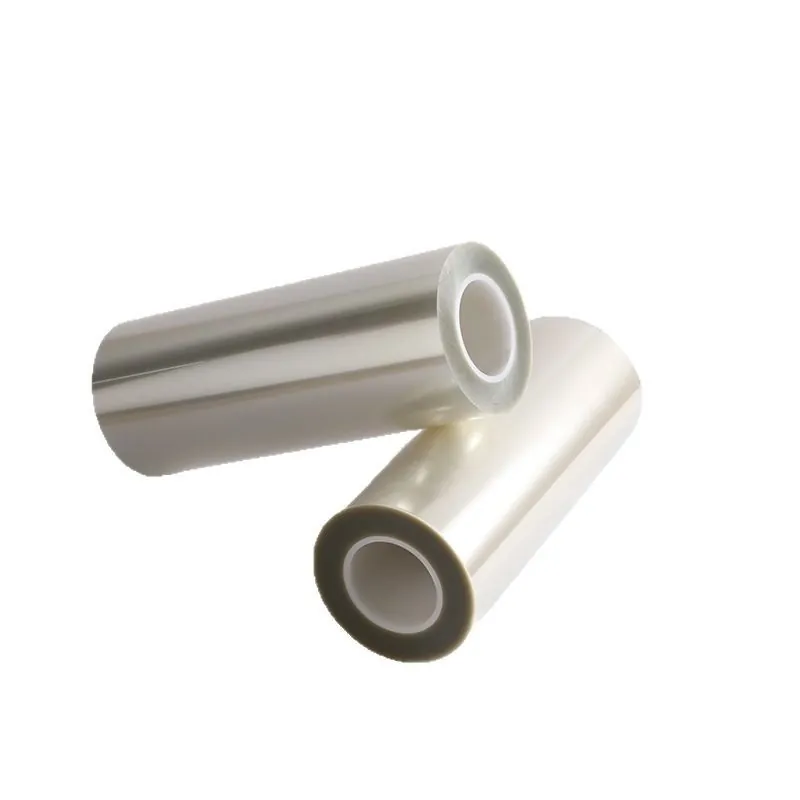
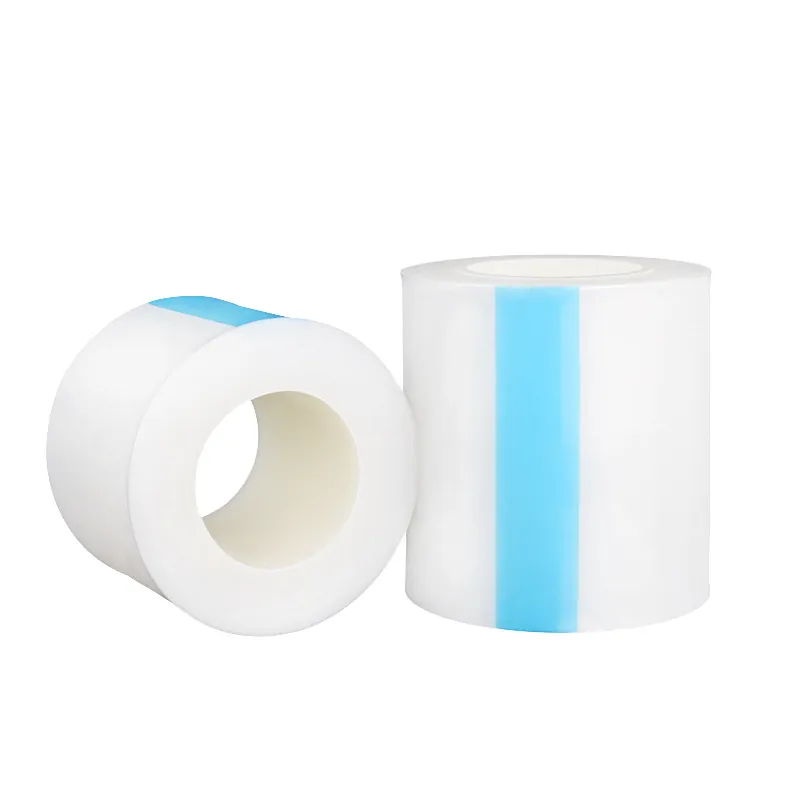
Next step
Get a product quotation
Share the details you know in the form below. For drawings or photos, email frank@cttape.com with your company name and project reference.
Your quotation confirms the specification, price, MOQ, packing, lead time, shipping and payment terms.