
ChenTao · Protective film manufacturer
Thermal Debonding Protective Film
Hold or protect parts during processing, then use heat to reduce adhesion for removal. Three thermal release film grades, with custom roll sizes and pre-cut shapes.
Choose the grade for your part, processing temperature and heating method.
- Function
- Hold, heat & release
- Standard grades
- RJ114 / RJ138 / RJ160
- Nominal thickness
- 80 / 130 / 160 μm
- Supply
- Rolls & pre-cut shapes
Product specifications
Product details at a glance
The essential data for an early fit check.
- CT-RJ114
- 160 ± 4 μm total thicknessCarrier: 100 ± 2 μm · Adhesive: 60 ± 2 μm · Peel-off backing: 50 ± 3 μm.Adhesion to steel: 200+ g/25 mm.Heat release on steel: 130–150 °C for 2–3 min.
- CT-RJ138
- 80 ± 5 μm total thicknessCarrier: 50 ± 3 μm · Adhesive: 30 ± 2 μm · Peel-off backing: 50 ± 3 μm.Adhesion to steel: 600+ g/25 mm.Oven test: 120 °C for 5 min. Separate boiling-water test: 100 °C for 5 min.
- CT-RJ160
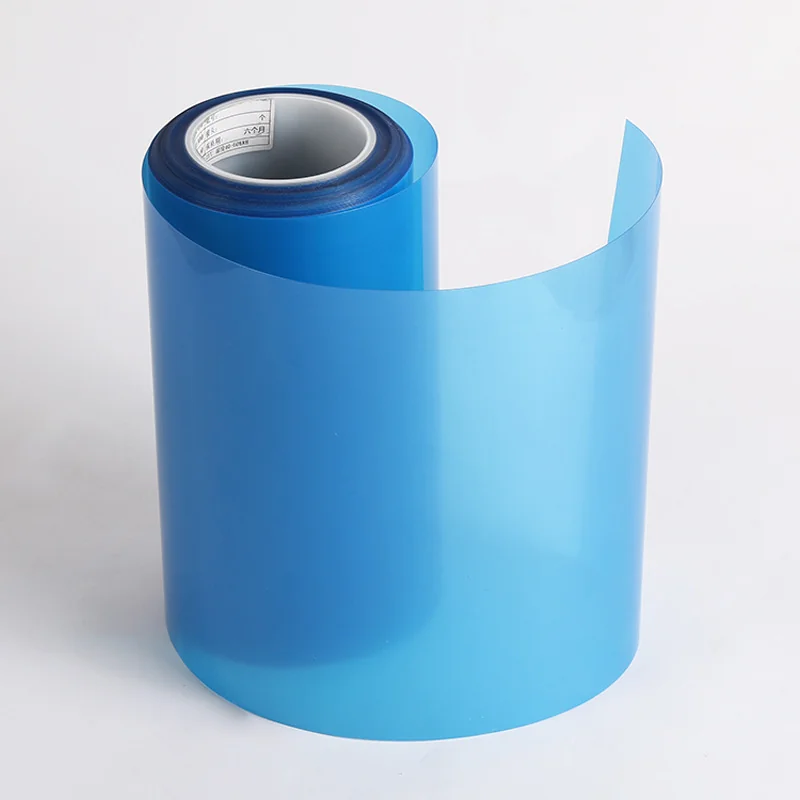
- Blue film · 130 ± 8 μm total thicknessCarrier: 100 ± 3 μm · Adhesive: 30 ± 5 μm · Peel-off backing: 50 ± 3 μm.Adhesion to steel: 600+ g/25 mm.Oven test: 150 °C for 5 min. Separate boiling-water test: 100 °C for 5 min.
- Release conditions
- Heating method and time belong togetherThese conditions describe loss of tack after heating, not a continuous service-temperature rating. Oven and boiling-water tests are separate routes; water release requires a part and process suitable for immersion.
- Custom sizes
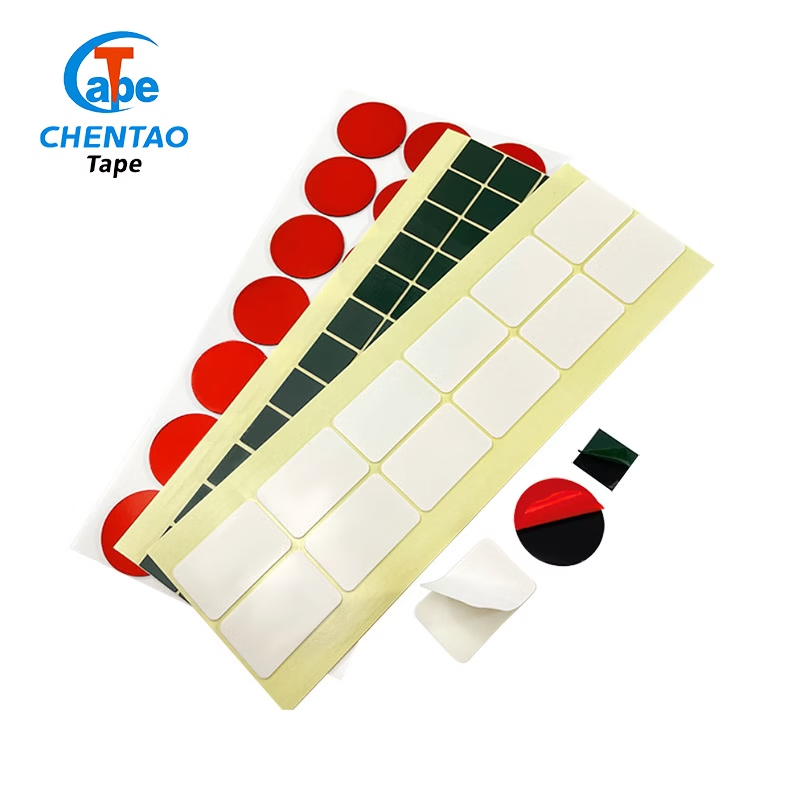
- Slit rolls and pre-cut shapesSpecify width, length or a drawing with dimensions and tolerances. Include peel tabs or cut-outs where needed.
- OEM options
- Core, packaging and printed labelsChoose core material and diameter, roll orientation and packing for your converting or assembly process.
Reference values for the listed grades. Total thickness means carrier plus adhesive, excluding the peel-off backing. Steel adhesion is reported in g/25 mm; the test angle and speed are not specified. Check holding and release on your actual part.
Send your part material, highest processing temperature, heating method and removal requirements. We can help you select a grade for a sample trial.
Ask a Technical QuestionFilm construction
A film that releases with heat
- 01Carrier filmSupports the adhesive layer during handling and processing.
- 02Heat-release adhesiveHolds the part before heating; adhesion falls under the specified release conditions.
- 03Peel-off backingProtects the adhesive before use. Remove it before application.
Common applications
Where thermal release film is used
Use the film for temporary holding or surface protection when the part can tolerate a later heating step. Choose for the full process, from application to removal.
Circuit board processing
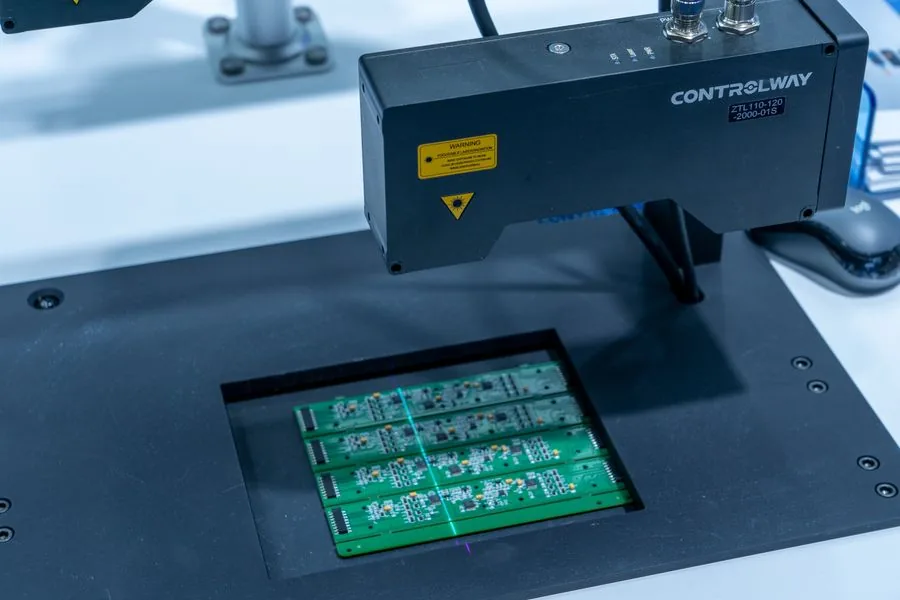
Temporary support for boards and thin electronic parts during handling or machining. Match the film to your surface, process fluids and temperature.
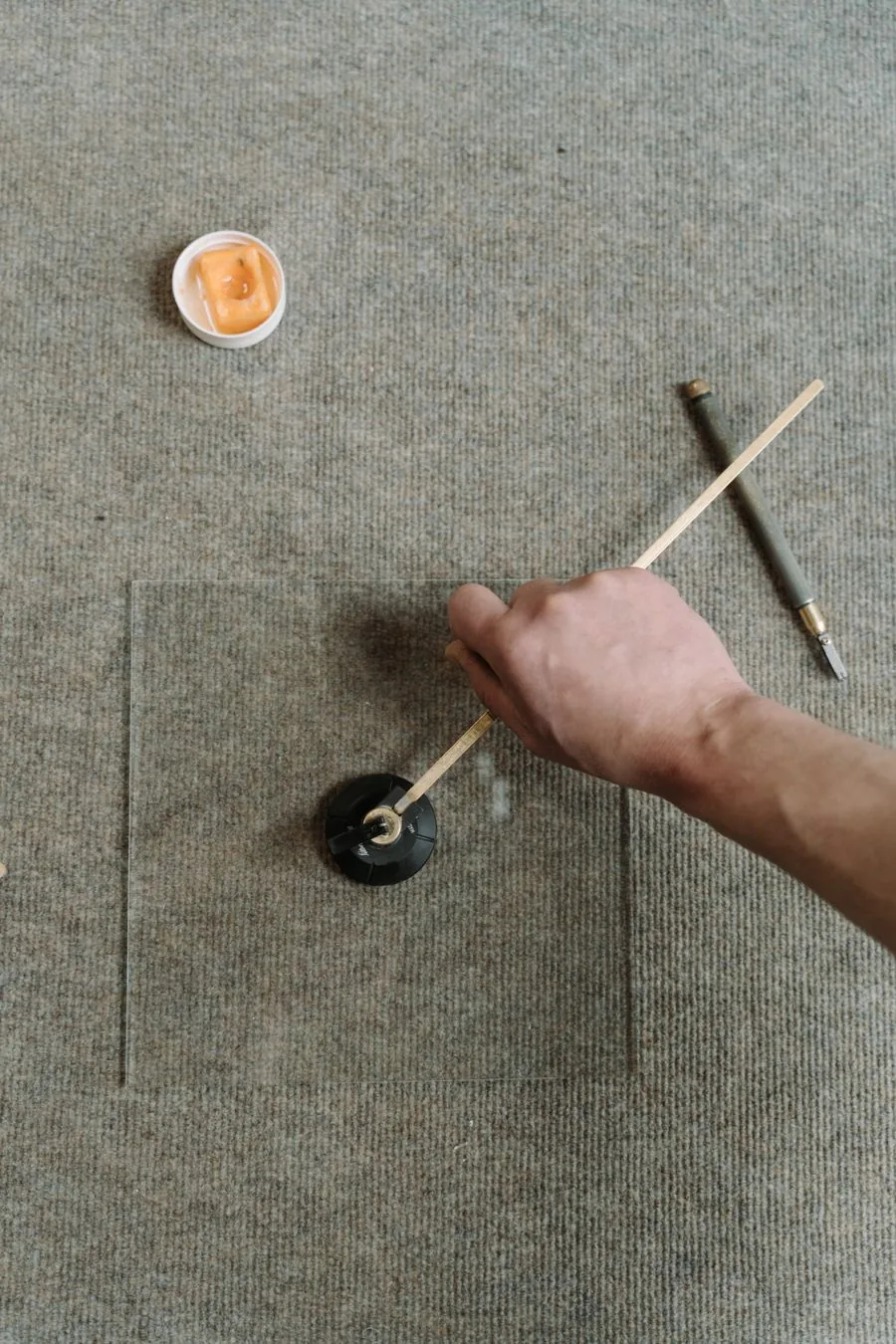
Glass & optical parts
Protect the contact face during handling and machining. Check compatibility with surface coatings and the heat tolerance of the complete part.

Small ceramic parts
Hold small, fragile parts for positioning and cutting trials. Check that each piece stays in place and can be removed after heating.

Wafer process trials
Evaluate temporary support for wafers or chips. Confirm cleanliness, static control and residue requirements in a sample trial.
Tell us which surface touches the adhesive, what happens during processing and how you plan to release the part.
Prepare your inquiry
Find a film for your process
Choose the application and a grade, then add the sizes you know. Select “Please recommend” if you are comparing heating methods or do not have a grade yet.
Animated usage guide
Apply the Film, Then Remove It with Heat
Follow one glass part from preparation to heat-assisted film removal. This example shows surface protection with an oven release step; use the conditions agreed for your grade and part.
Clean and dry the contact surface
Remove dust and oil using a cleaning method suitable for the part. Let the surface dry before applying the film.
Confirm that the film holds during processing and comes off after heating without unacceptable marks or residue. Measure the temperature at the part, and keep processing heat below the point where adhesion starts to fall.
From inquiry to production
A clear next step for your project
Start with what you know. Confirm the product and commercial details before placing an order.
Share the requirement
Send your application, part material, grade preference, width, length and quantity. Include processing heat, release method and any cut-part drawing with units.
Review the proposal
Review the grade, layer thicknesses, heating conditions, finished dimensions, core and packaging in our quotation. Use samples to check holding and removal.
Confirm before production
Approve the sample, drawing and packing details. Check the complete processing and release cycle before confirming bulk production.
Tell us the size you need. Sample availability and terms are confirmed for your request.
Frequently asked questions
Product questions & ordering information
Product & use
What is thermal debonding protective film?
It is an adhesive film for temporary holding or surface protection. It adheres before the release step, then loses tack under the heating conditions specified for the grade. It is also called thermal release film or heat-release tape. This function differs from heat-activated bonding film, which uses heat to form a bond.
Which grade should I choose?
Start with the holding force, thickness and heating method your part needs. CT-RJ114 has a nominal total thickness of 160 μm, CT-RJ138 is 80 μm and blue CT-RJ160 is 130 μm. Compare the separate release conditions above and trial the grade on your actual surface. Total thickness excludes the peel-off backing.
Can I use boiling water instead of an oven?
The CT-RJ138 and CT-RJ160 specifications each list a separate boiling-water test at 100 °C for 5 min. Use this route only when the part and process tolerate immersion. Do not apply the oven conditions to water release, or assume a hot plate gives the same result.
Does heat release guarantee residue-free removal?
Heat reduces adhesion, but removal still depends on the grade, surface, prior processing and heating throughout the part. Check for residue, surface marks and damage after a full sample cycle. The release temperatures are not continuous-use temperature ratings, and the film should not be treated as a reusable fixture.
Can you supply custom rolls or pre-cut shapes?
Yes. Send the finished width and length, or a drawing with units, cut-outs, peel tabs and tolerances. Include quantity, core dimensions and packaging needs. For sensitive processes, also specify cleanliness, static-control and any required compliance documents so they can be reviewed with the grade.
Ordering & delivery
What are the sample and bulk order lead times?
Samples can be prepared within 48 hours. Bulk orders usually take 7–15 working days. Lead times start when the required payment is received; for orders on deposit terms, this means receipt of the deposit. Shipping time is additional.
How is the film packed? Can I customize it?
Standard packing is clear bags and cartons. Custom packaging and printed labels are also available. Include your packaging or label requirements with your inquiry.
How can you ship my order?
We support express courier, air freight and sea freight. You can also use your own freight forwarder. Share your destination and preferred shipping method so freight costs and estimated transit time can be confirmed for your order.
What are your payment methods and terms?
Payment is by T/T (bank transfer). Orders below US$5,000 require 100% payment in advance. Orders of US$5,000 or more require a 50% deposit, with the remaining 50% paid before shipment.
What will the quotation confirm?
The quotation confirms the product specification, size or drawing, quantity, price, minimum order quantity, packing, production lead time, shipping arrangements and payment terms. Include any sample requirements with your inquiry.
Related protective films
Other protective film options
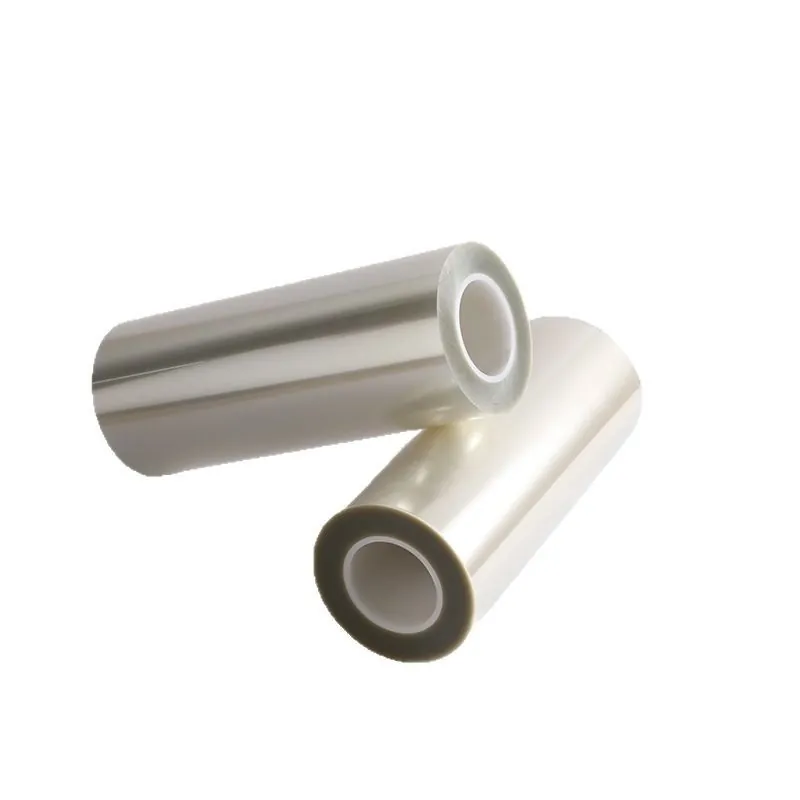
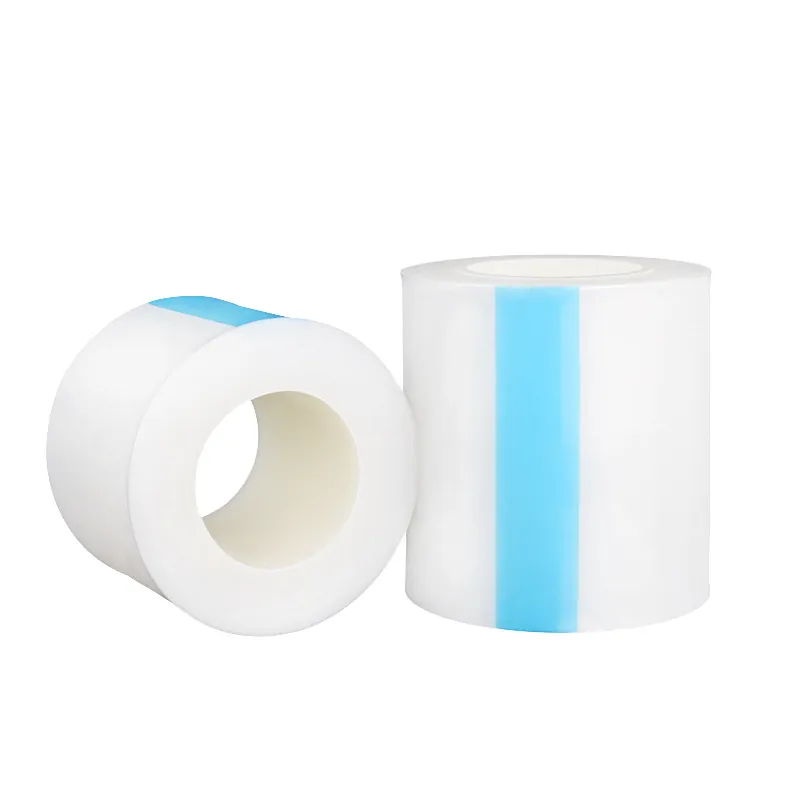
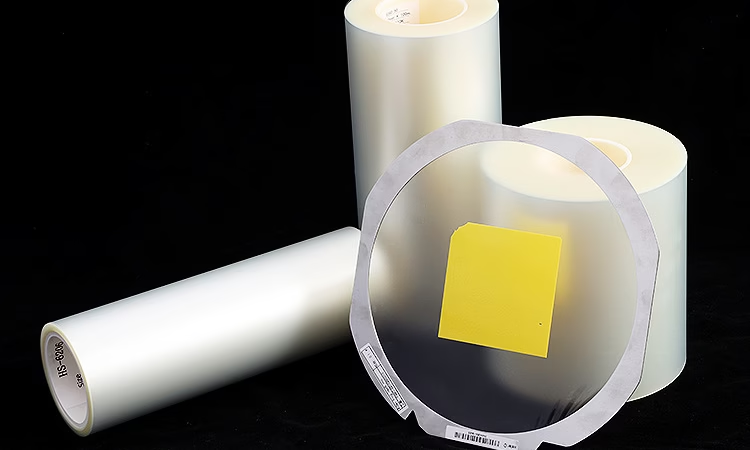
Compare the way each film attaches and is removed. Choose the process that suits your part.
Next step
Get a product quotation
Share the details you know in the form below. For drawings or photos, email frank@cttape.com with your company name and project reference.
Your quotation confirms the specification, price, MOQ, packing, lead time, shipping and payment terms.