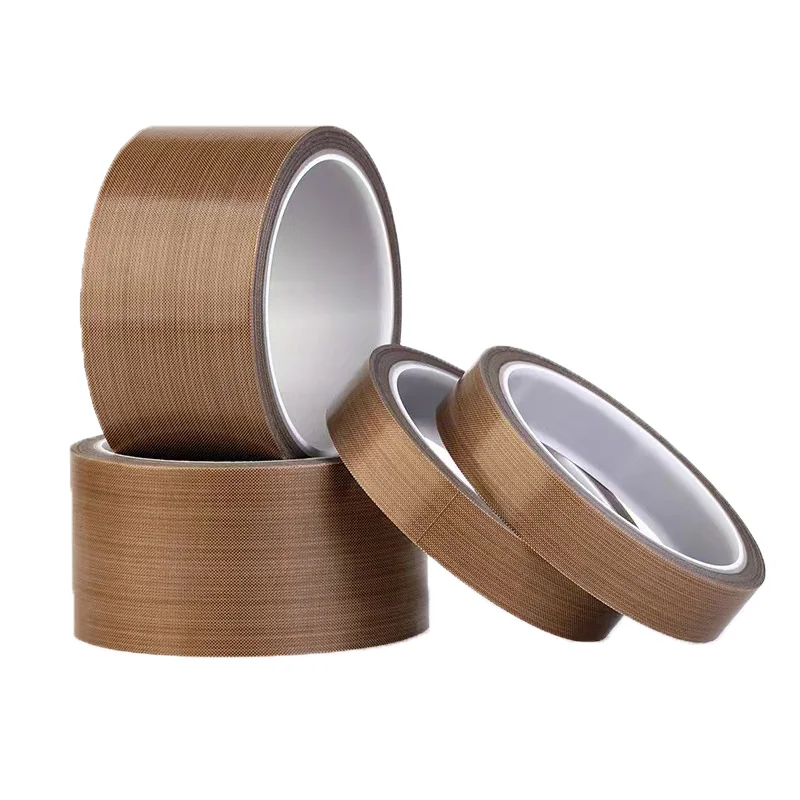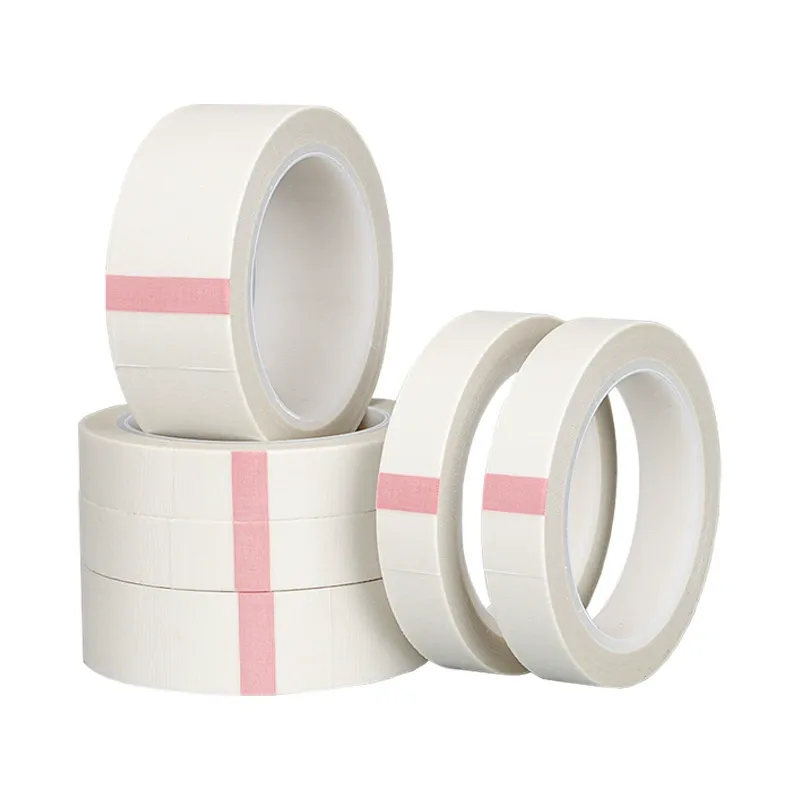
High Temperature Tape Built for masking, insulation and demanding thermal processes
ChenTao Tape supplies industrial high temperature tape for electrical insulation, thermal masking, surface protection and heat-resistant processing. Available in polyimide, polyester, PTFE and fiberglass constructions with custom slitting, die-cutting and lamination support.
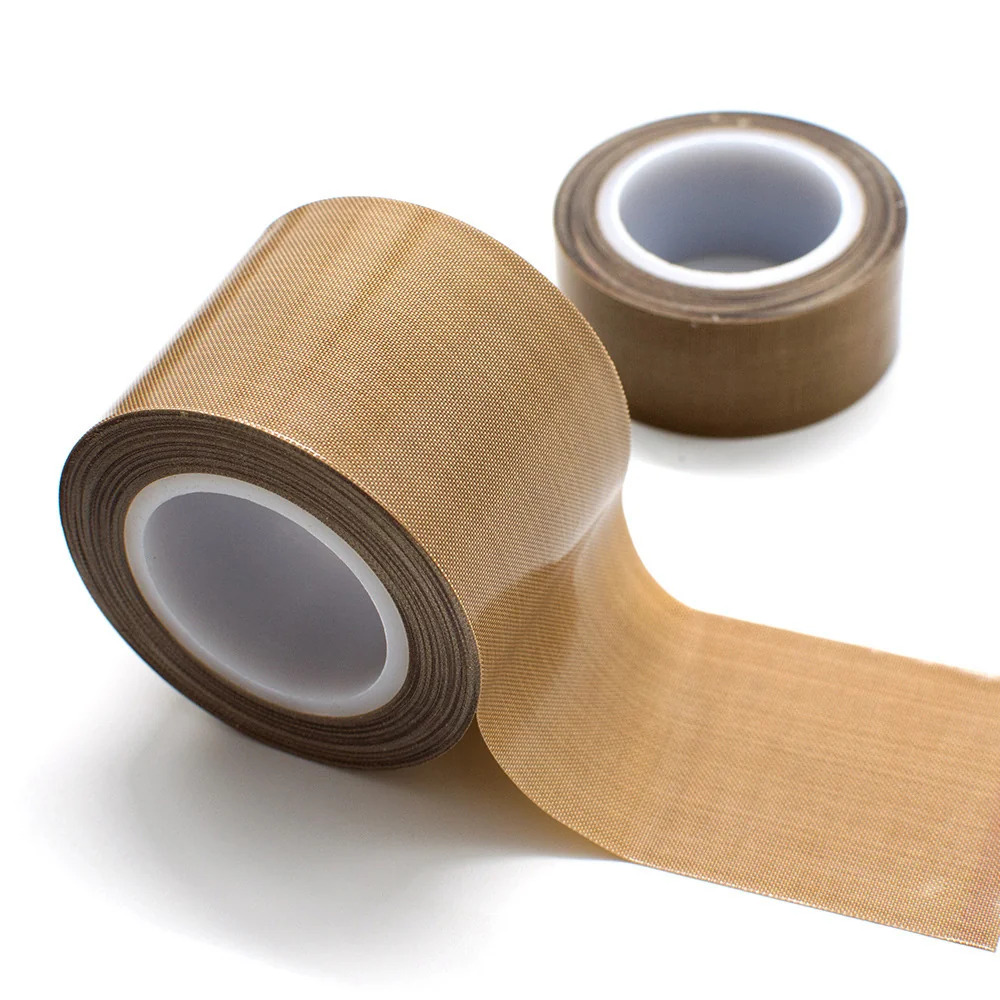
Designed for masking, insulation, protection and heat-resistant converting applications.
- Polyimide Tape
- Polyester Tape
- PTFE Tape
- Fiberglass Tape
What Is High Temperature Tape?
High temperature tape is an industrial tape category designed for applications where standard tapes may soften, lose adhesion stability, leave residue or fail under heat.
Category Overview
High temperature tape is widely used in industrial manufacturing for masking, electrical insulation, release, surface protection and other heat-related processing requirements.
Common material systems include polyimide, polyester, PTFE and fiberglass. The right choice depends on operating temperature, substrate, insulation needs, surface behavior and converting format.
Selecting the right high temperature tape helps improve process stability, cleaner removal performance and insulation reliability in demanding thermal environments.
Explore High Temperature Tape Types
Different high temperature tape materials are designed for different insulation, masking, release and thermal process requirements. Explore the main tape types below to identify the most suitable direction for your application.
Polyimide Tape
A high-performance tape for elevated-temperature insulation, electronics processing and precision masking applications.
Polyester Tape
A versatile choice for masking, insulation, bundling and general process use where balanced cost and performance matter.
PTFE Tape
Suitable for heat-resistant release, anti-stick support and process conditions that require low friction and clean surface behavior.
Fiberglass Tape
Designed for demanding environments where reinforced structure, thermal stability and mechanical durability are required.
Key Features of High Temperature Tape
High temperature tape is selected not only by material type, but also by how it performs under heat, insulation, surface contact and converting requirements. The features below reflect the main reasons industrial buyers evaluate this category.
High Heat Resistance
Supports elevated-temperature processes where standard tapes may soften, distort or lose stability.
Electrical Insulation
Suitable material systems can support insulation needs in electronics, electrical assembly and other technical applications.
Dimensional Stability
Helps maintain shape, fit and process consistency under thermal stress and demanding manufacturing conditions.
Clean Processing
Selected tapes can support cleaner masking, protection and handling performance with better process control.
Release & Surface Protection
Different constructions can provide release behavior, anti-stick performance, low friction or surface protection value.
Custom Converting Compatibility
Materials can be adapted for slitting, die-cutting, lamination and other converting requirements in project-based supply.
Typical Applications of High Temperature Tape
High temperature tape is used in industrial processes that require heat resistance, masking accuracy, insulation stability, release behavior or temporary surface protection.
PCB Masking
Used in electronics processing where temporary masking, clean removal and thermal stability are required.
Transformer & Coil Insulation
Supports insulation requirements in transformers, coils, motors and related electrical assemblies.
Powder Coating
Protects selected areas during coating processes involving elevated temperatures.
Heat Sealing
Suitable for anti-stick or heat-resistant surface support applications.
Composite Processing
Used where release performance and dimensional stability matter in thermal processing.
Surface Protection
Helps protect surfaces during manufacturing, handling and heat-related process steps.
Technical Options for High Temperature Tape
High temperature tape is usually selected by material system, adhesive, thermal range, functional performance and converting format.
Backing Material
Chosen according to heat resistance, insulation level and structural stability.
Adhesive Type
Influences temperature tolerance, bonding behavior and residue control.
Temperature Resistance
Should be judged by actual process duration, peak exposure and working condition.
Thickness & Dimensions
Selected according to fit accuracy, handling method and protection level.
Surface & Electrical Performance
Functional requirements vary by use case, including dielectric and release behavior.
Converting Options
Supply format can be adapted to workflow, assembly efficiency and project needs.
Custom Converting Support for High Temperature Tape Projects
Beyond raw material supply, ChenTao Tape supports format adjustment, converting discussion and project-based delivery to help industrial buyers integrate high temperature tape into real production and assembly workflows.
From material selection to converted supply format
High temperature tape projects often require more than a standard roll format. Converting support helps improve handling efficiency, fit accuracy and assembly integration.
Widths can be adjusted for process handling and application layout needs.
Supply format can be matched to workflow, storage and assembly requirements.
Converted parts can support repeatable fit and higher assembly efficiency.
Material system and format can be aligned with temperature, substrate and use case.
Why B2B Buyers Choose ChenTao for High Temperature Tape Projects
Industrial buyers often need more than material supply alone. ChenTao supports application matching, converting coordination, sample evaluation and repeatable B2B supply cooperation.
Application-Oriented Material Matching
Material systems can be discussed according to temperature range, insulation demand, release behavior and workflow condition.
Converting Capability for Project Supply
Slitting, sheet format and die-cut supply options help adapt tape materials to production and assembly requirements.
Responsive Project Communication
Support can be aligned around material type, application requirement and converting discussion.
Flexible Supply Format
Supply can be coordinated in rolls, sheets or converted formats for different workflows.
Sample & Evaluation Support
Sampling helps buyers verify handling, thermal behavior and application suitability.
B2B Cooperation Focus
Communication and supply support are oriented to industrial use and ongoing cooperation.
Frequently Asked Questions About High Temperature Tape
Here are some of the most common questions industrial buyers ask when selecting high temperature tape materials, converting formats and project support options.
The best option depends on your process temperature, dwell time, substrate and removal requirement. Different high temperature tape materials are suited to different masking environments, so selection should be based on actual working conditions rather than material name alone.
Peak temperature usually refers to short-term exposure, while continuous temperature refers to the temperature range a tape can handle during ongoing operation. For industrial projects, both values should be evaluated together with time, pressure and environment.
Polyimide tape is commonly chosen for high heat resistance and electrical insulation, while PTFE tape is often selected for release, anti-stick and low-friction performance. The better option depends on whether your priority is insulation, surface behavior, heat exposure or processing condition.
Yes. Supply can be discussed in different formats such as jumbo or log roll, slit roll, sheet and die-cut parts according to handling requirements, assembly workflow and project needs.
Yes. If you share your temperature range, substrate type, required function, preferred format and processing condition, ChenTao can suggest a more suitable material direction for further evaluation.
Yes. Sample support helps buyers evaluate handling, fit, temperature behavior and application suitability before moving to larger-volume purchasing or ongoing project cooperation.