Die Cut Polyimide Tape: Benefits, Applications, and Buying Guide
Explore the essential benefits and applications of die cut polyimide tape, including decision-making criteria for industrial uses.
When selecting die cut polyimide tape for industrial applications, understanding the specific requirements such as temperature resistance, adhesive properties, and geometrical precision is crucial. This guide provides insights into how to make informed decisions based on these factors.
- Request datasheets for adhesive and material specifications.
- Validate samples under actual process conditions.
- Define tolerance requirements and inspect dimensions.
- Review chemical compatibility with environmental factors.
What is Die Cut Polyimide Tape?
Definition and Composition
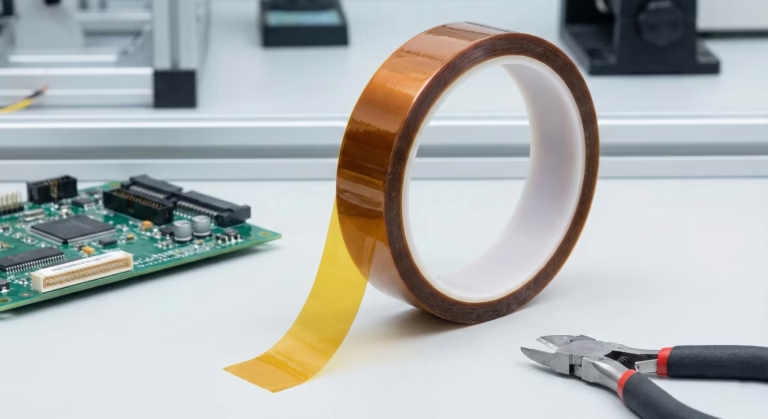
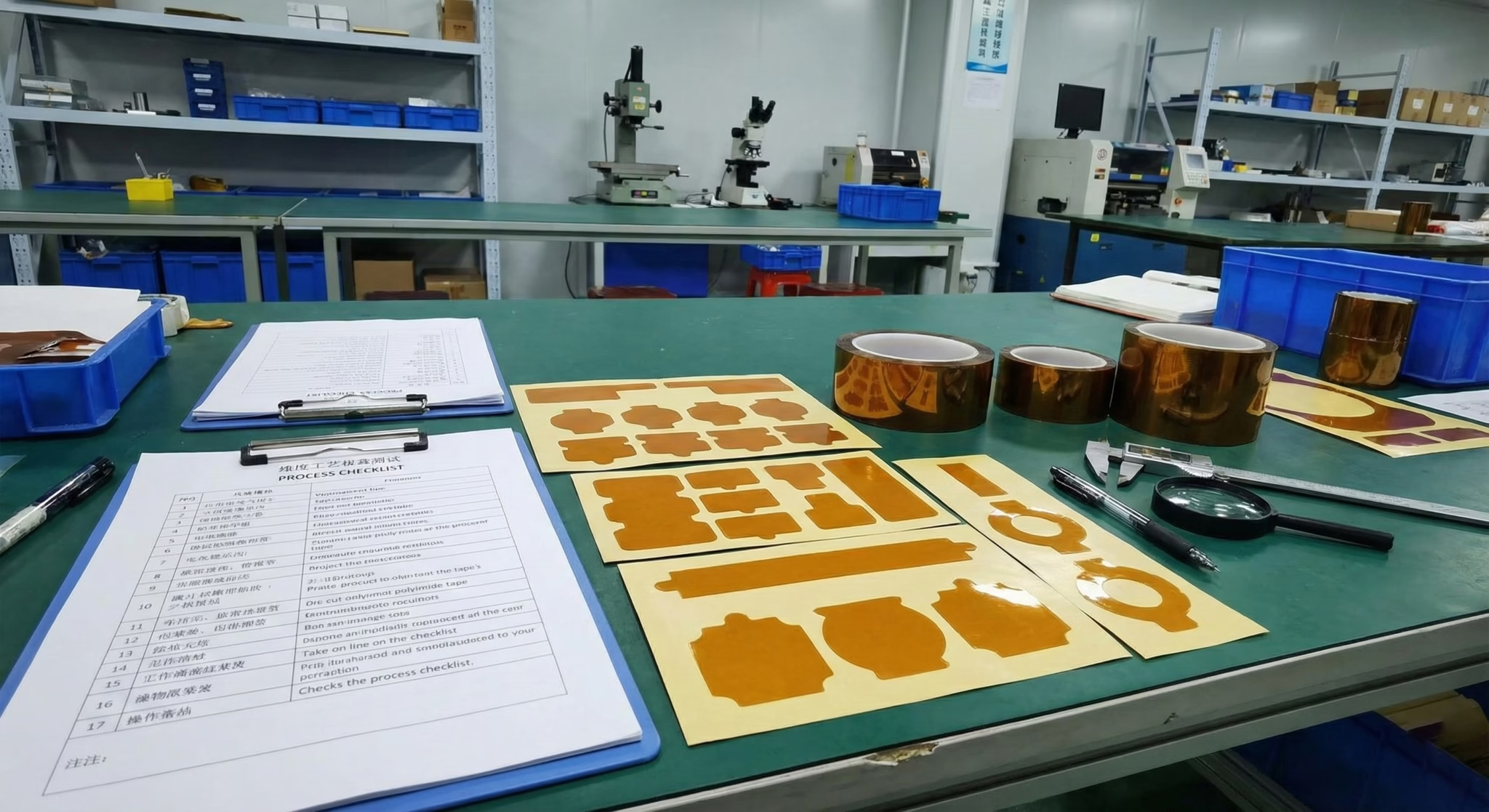
Die cut polyimide tape is a specialized adhesive tape made from polyimide film, known for its thermal stability and insulating properties. It is often used in applications requiring precise shapes and sizes.
Common Uses in Industry
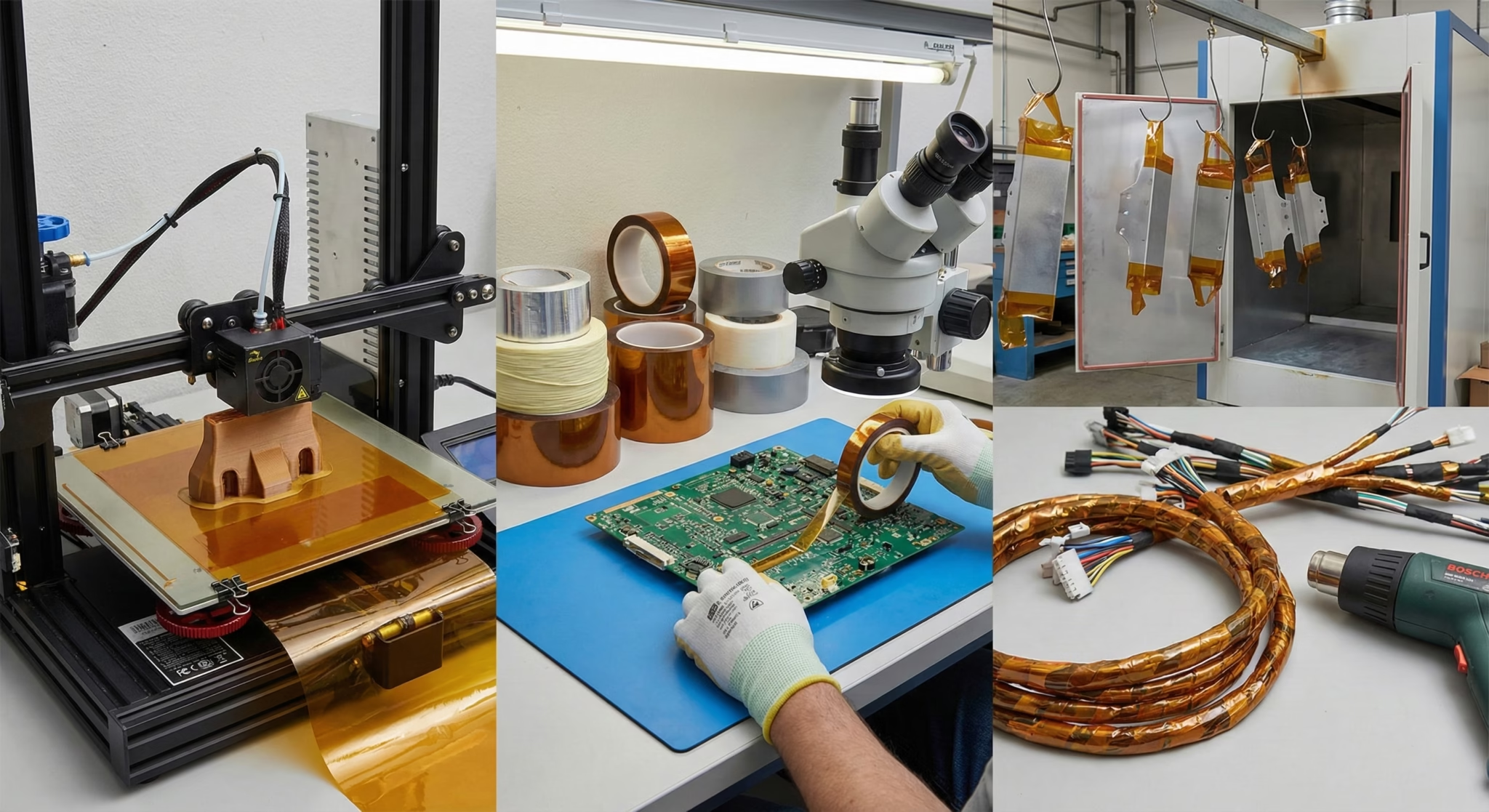
Industries utilize die cut polyimide tape for electronics, aerospace, and automotive applications due to its ability to withstand extreme conditions.
Advantages Over Other Tapes
Compared to other tapes, polyimide tape offers superior heat resistance and electrical insulation, making it ideal for demanding environments.
Key Benefits of Die Cut Polyimide Tape
High-Temperature Resistance
Polyimide tape can endure high temperatures, making it suitable for applications in electronics and manufacturing processes.
Electrical Insulation Properties
Its excellent dielectric properties ensure reliable performance in electrical and electronic components.
Chemical Resistance
The tape’s resistance to chemicals allows it to maintain integrity in harsh environments.
Applications of Die Cut Polyimide Tape
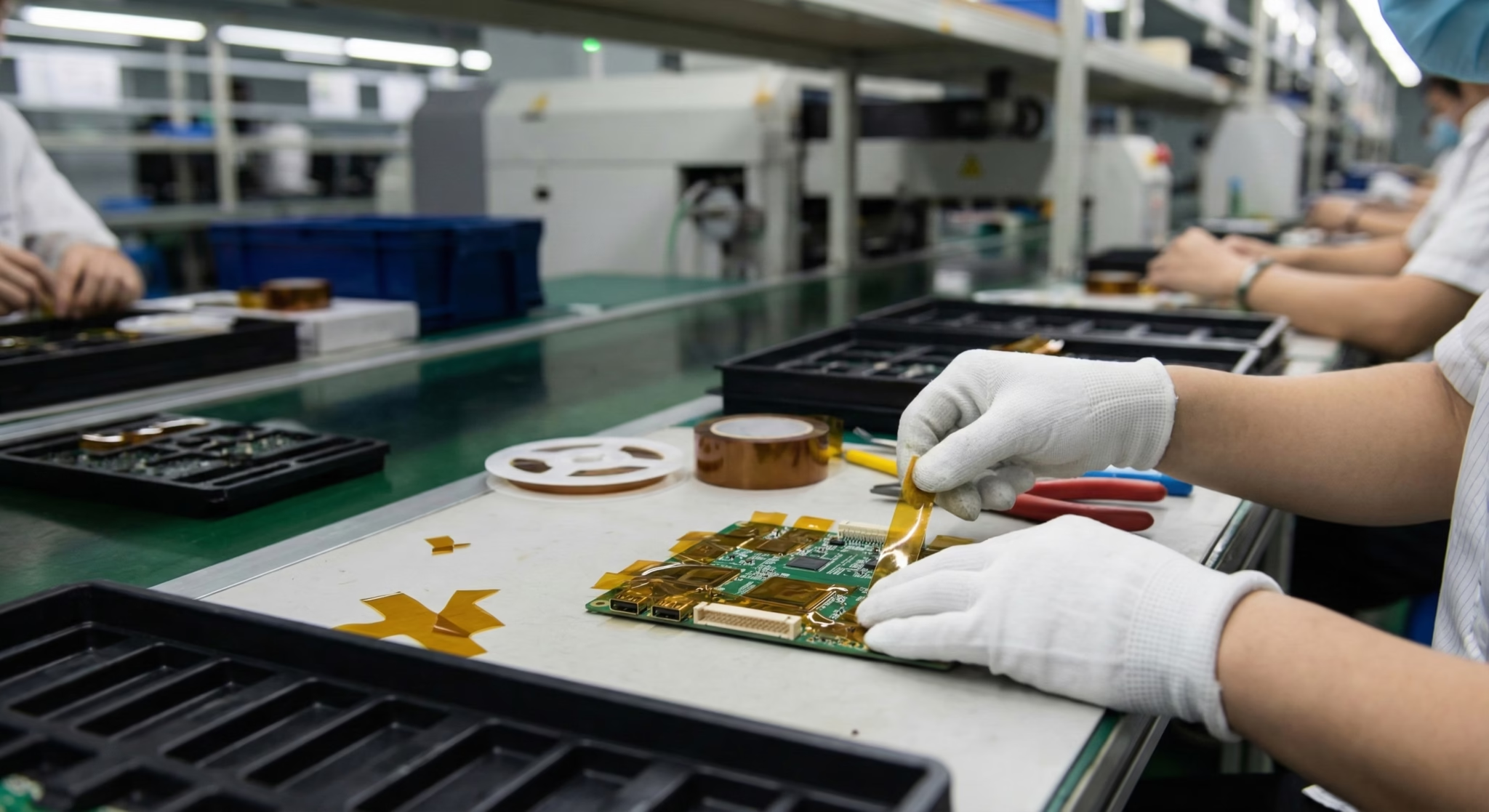
Electronics Manufacturing
In electronics, polyimide tape is used for insulation and protection of sensitive components, ensuring reliability and performance.
Aerospace and Automotive Uses
The tape’s durability under extreme conditions makes it suitable for aerospace and automotive applications, where precision and resilience are critical.
Medical Device Applications
Polyimide tape is employed in medical devices due to its biocompatibility and ability to withstand sterilization processes.
Parameters to Consider When Choosing Die Cut Polyimide Tape
Material Properties and Adhesive Family
Understanding the material properties and adhesive family is essential for ensuring compatibility and performance. Verification can be done through datasheets and sample testing.
Geometry and Die-Cutting Specifications
Precise geometry is crucial for application fit. Review die-cut tolerances and inspect dimensions to avoid misalignment.
Process Temperature and Cleanliness Requirements
Ensure the tape can withstand process temperatures and maintain adhesion quality by conducting surface cleanliness tests.
RFQ Checklist for Die Cut Polyimide Tape
Geometry & files:
- Provide detailed drawings and die-line files.
- Specify dimensional tolerances and inspection criteria.
Material & adhesive:
- Confirm material grade and adhesive type.
- Request datasheets and certificates of compliance.
Process & environment:
- Outline process temperature requirements.
- Detail environmental conditions and chemical exposure.
QA / documentation:
- Include quality assurance protocols and documentation.
- Request first-article inspection reports.
Packaging & labeling:
- Define packaging specifications and labeling requirements.
- Ensure compliance with shipping standards.
FAQs About Die Cut Polyimide Tape
What are the typical applications for die cut polyimide tape?
Die cut polyimide tape is commonly used in electronics, aerospace, automotive, and medical devices. Verify its suitability through application trials and environmental testing.
How do I validate the specifications of polyimide tape?
Request datasheets and certificates of compliance to confirm material and adhesive properties. Conduct sample tests under process conditions.
What factors affect the performance of polyimide tape?
Performance can be influenced by temperature, chemical exposure, and surface cleanliness. Mitigate risks by verifying environmental compatibility and conducting adhesion tests.
How does die-cutting affect tape application?
Die-cutting ensures precise fit and application. Verify tolerances through inspection reports and dimensional checks to prevent misalignment.
Can polyimide tape be used in high-temperature environments?
Yes, polyimide tape is suitable for high-temperature applications. Ensure compatibility by reviewing temperature ratings and conducting thermal tests.
For more information or to request samples, visit our contact page or explore our product offerings.
To ensure a smooth procurement process, include the following in your quote request:
- Detailed application requirements.
- Material and adhesive specifications.
- Environmental and process conditions.
- Quality assurance protocols.
- Packaging and labeling standards.
Need a tape solution for your project?
Share your application, drawings and target price. Our engineering team will recommend suitable tape structures and send you a quote within 24 hours.
Get a Custom Tape Recommendation