
Acrylic foam bonding series
Acrylic Foam Double Sided Tape for Industrial Mounting
Acrylic foam double sided tape is used for long-term industrial mounting. Its flexible foam layer helps maintain contact across small gaps and surface differences. ChenTao supplies rolls, sheets and custom pre-cut parts after reviewing the application.
- Selected for your materials and application
- Options for indoor or outdoor use
- Rolls, sheets and custom pre-cut parts
Available sizes and technical limits depend on the selected grade. Your quotation will confirm the tape, dimensions and supply format.
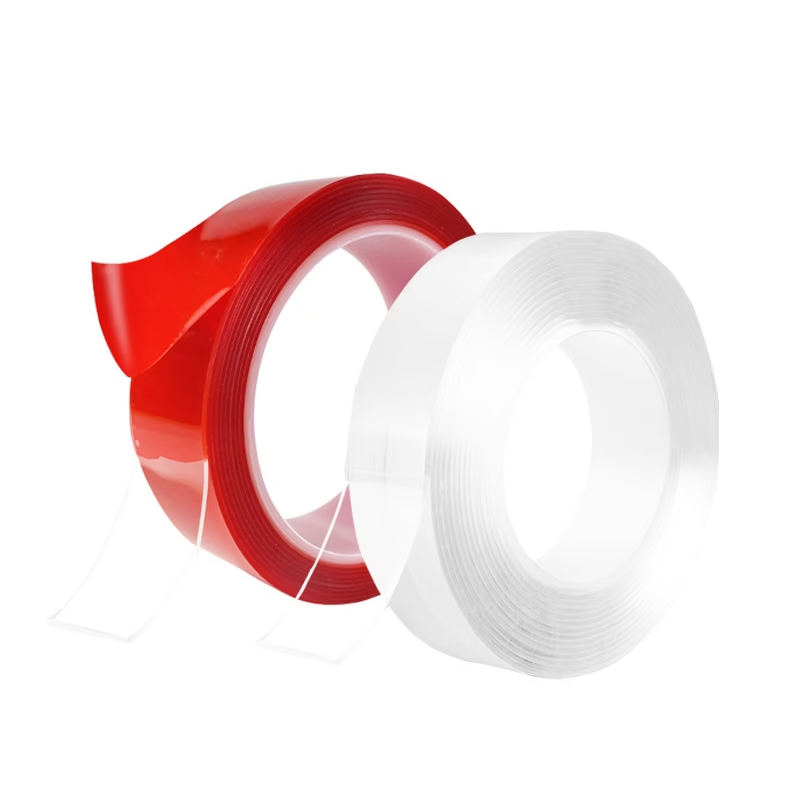
Product specifications
Sizes and reference performance
Use the available sizes and formats for initial planning. Exact performance limits must be confirmed for the tape grade recommended for your materials and working conditions.
| Property | Reference value or option | What it means |
|---|---|---|
| Thickness | 0.25–3.0 mm | Both transparent and grey tape are available across this range. |
| Colour | Transparent and grey | Choose by the appearance of the finished assembly. |
| Tape structure | Acrylic foam with acrylic adhesive | The flexible foam helps maintain contact across small surface differences. |
| Service temperature | Grade-specific | Continuous and short-term temperature limits must be confirmed in the quotation or technical data for the selected tape. |
| 180° peel adhesion | Grade and test-condition dependent | Meaningful comparison requires the selected tape, test surface, test method and bonding time. |
| Roll length | 33 m standard; custom lengths available | Final length depends on thickness, width and packing. |
| Width | Custom slit widths | Tell us the finished width you need. |
| Supply formats | Rolls, sheets and custom pre-cut parts | Send a drawing when you need a custom shape. |
Temperature and adhesion values are not interchangeable between grades. Request the technical data for the quoted tape and test it on the actual parts before production.
Your quotation will show
- Recommended tape and colour
- Thickness, finished size or drawing reference
- Quantity, unit price and minimum order quantity
- Packing method and lead time
Before a bulk order
- Test a sample on the actual parts
- Confirm the final size and packing
- Confirm any technical documents you need
Send the finished dimensions or drawing. We can review slit rolls, sheets, liner options, part tolerances and a suitable delivery format.
Available colours
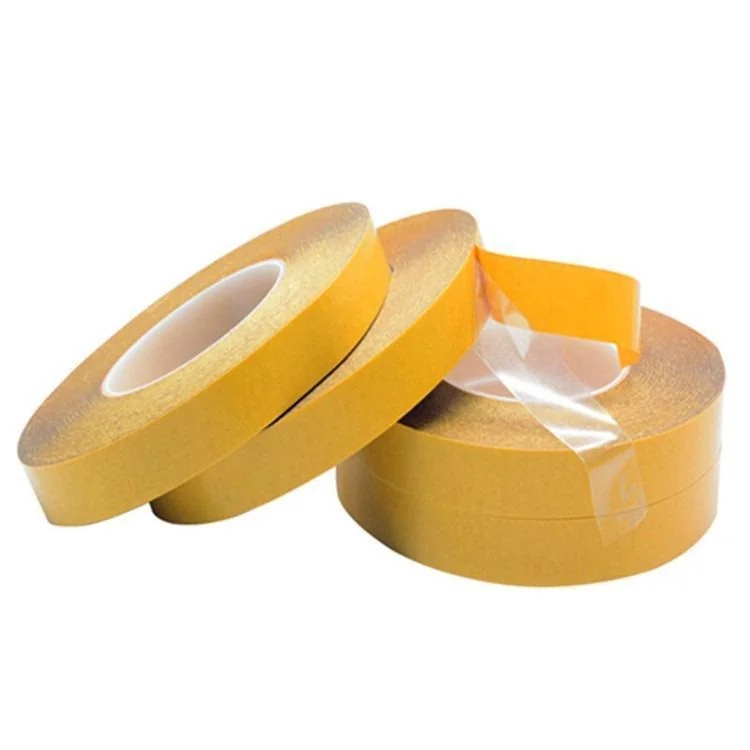
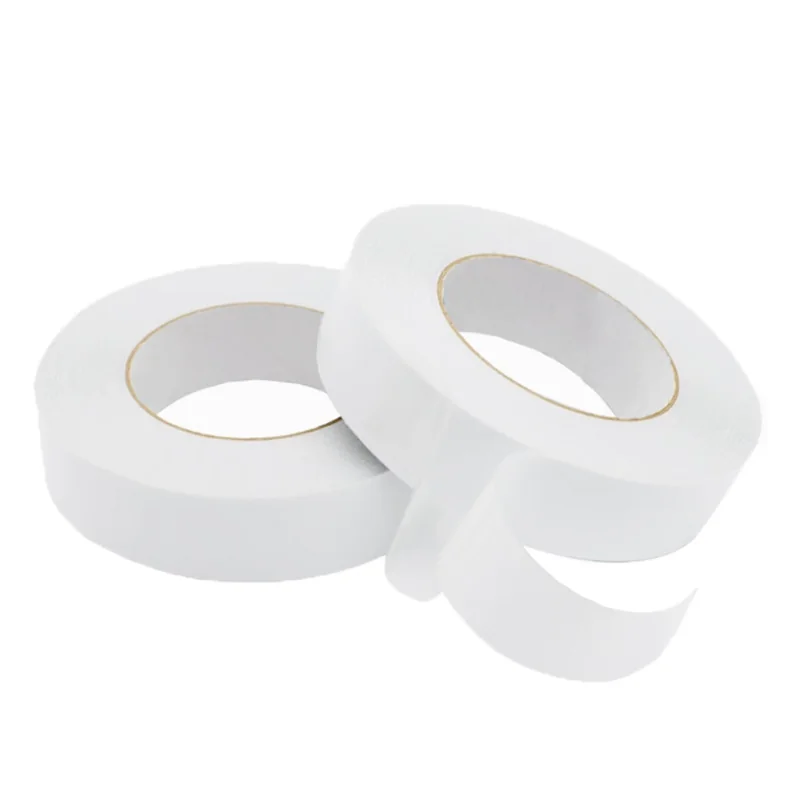
Available in transparent and grey
Both colours have the same thickness range. Choose the colour that best matches how the finished part should look.
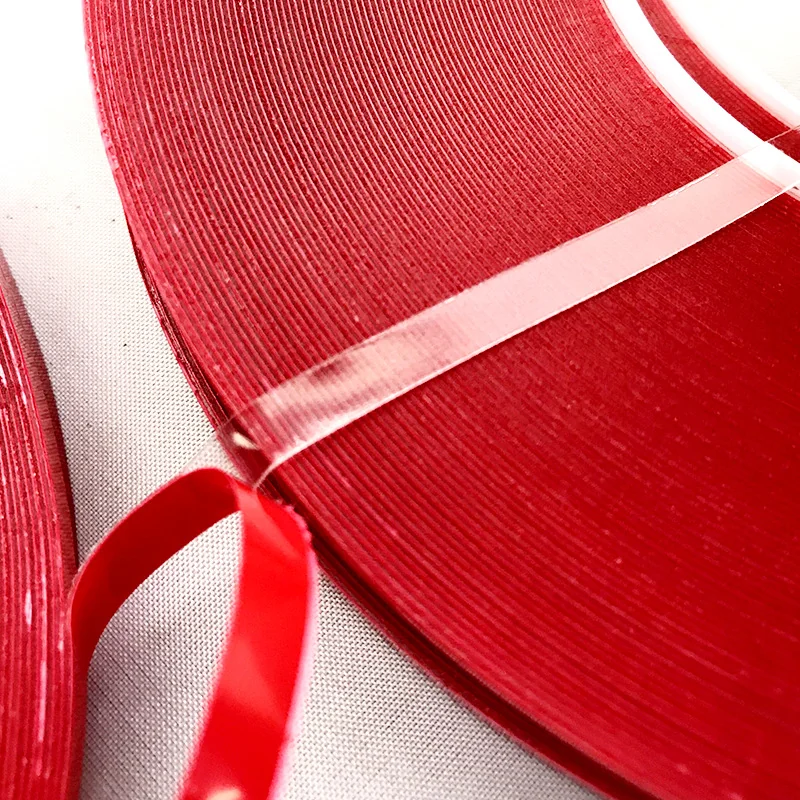
Best when the tape should be less noticeable
Transparent tape is commonly used on glass, clear acrylic, signs and displays where a neat, unobtrusive bond is preferred.
- Helps clear or light-coloured parts keep a clean appearance
- Check for trapped air and visible tape edges during testing
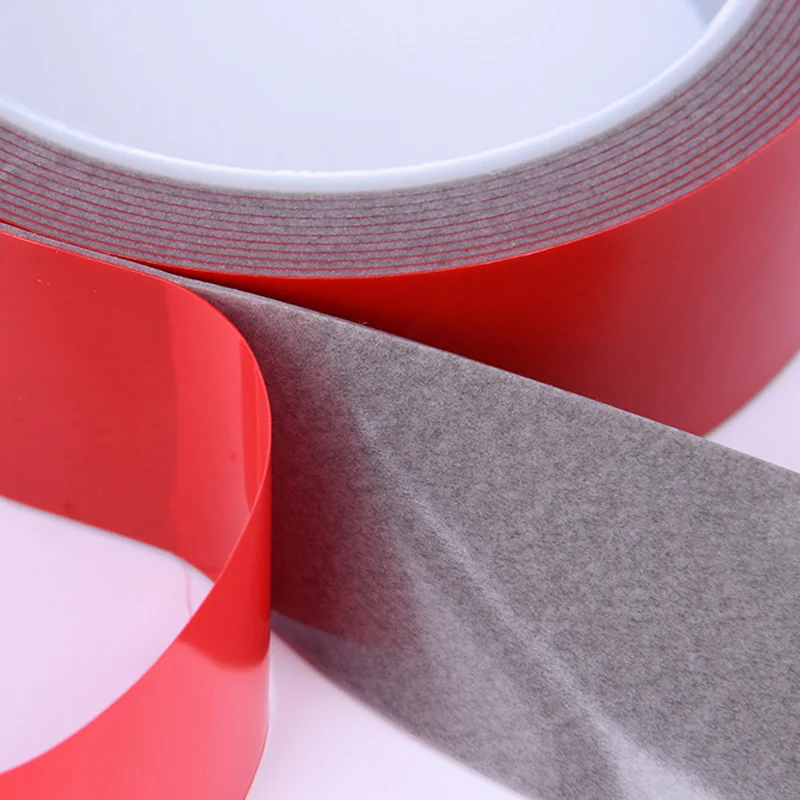
Best for hidden bonds on solid-coloured parts
Grey tape is commonly used behind painted metal, panels and appliance parts where the tape is normally covered after assembly.
- A practical choice when the tape will not be seen
- Test the actual paint or coating before ordering
Selection note: Transparent and grey are both available from 0.25 to 3.0 mm. Tell us the two materials, required thickness and finished size so we can recommend the right option.
Surface guide
Check the material before choosing the tape
Two surfaces that look the same can bond differently. Use this guide to see when a sample test or special adhesive may be needed.
Remove oil and dust. Check that the surface is flat and consider moisture and temperature changes.
Paint and coating types vary. The coating must bond firmly to the metal, and rough surfaces may reduce tape contact.
Check the exact plastic type and remove any oily residue left from moulding. Some plastics can crack when exposed to certain adhesives.
These materials are harder to bond. A special adhesive, primer or other surface treatment may be needed.
These surfaces reduce contact with the adhesive. Cleaning, a thicker tape or a different tape type may be needed.
Quick selection
Start with the application, not only the tape thickness
Tell us what you are bonding, where the part will be used, and the size or format you need. These details help us narrow down a suitable tape before sampling.
Tape construction
What the tape is made of
Acrylic foam tape has adhesive on both sides of a flexible foam layer. The foam follows small surface differences, while the adhesive joins the two parts together.
Works best when
The surfaces are clean and dry, the tape has enough contact area, and a small gap needs to be filled.
Always test first when
The parts are PP, PE or silicone; the surface is rough, oily or highly curved; or the bonded part is heavy or safety-critical.
Common applications
Common uses for acrylic foam tape
These examples are a starting point. Final suitability depends on the actual materials, part weight and working environment.
Automotive trim
Mounting emblems, mouldings and selected interior or exterior trim after testing the actual surfaces.
Signs and displays
Attaching panels, letters and display parts when a clean appearance and even support are important.
Electronics assembly
Custom pre-cut tape shapes for selected housings, displays and internal components.
Industrial panels
Joining selected metal, glass and coated panels. Share the tape contact area and expected part weight.
How to apply
Five steps for a reliable bond
Even strong tape may fail on an oily or dusty surface, when it is pressed too lightly, or when it is loaded too soon. Test the same process you plan to use in production.
- 01
Clean
Remove dust and oil from both surfaces with a suitable cleaner.
- 02
Dry
Let both surfaces dry fully. Keep them clean after drying.
- 03
Apply
Place the tape without stretching it. Do not touch the exposed adhesive.
- 04
Press
Press firmly and evenly across the full tape area.
- 05
Wait & test
Allow the recommended bonding time before full load, then test the part under expected conditions.
Overhead parts, heavy loads, high temperatures or chemical exposure need a specific test and approval plan.
FAQ & documents
Common questions before ordering
These answers explain the basic selection process. Exact values and available documents depend on the selected product.
Is every acrylic foam tape suitable for outdoor use?
No. Outdoor performance depends on the selected product, temperature changes, moisture, sunlight, exposed edges and part weight. Ask for an outdoor option and test the actual assembly.
Can ChenTao supply custom widths or pre-cut parts?
Yes, custom rolls, sheets and pre-cut shapes can be reviewed from a drawing. Available options depend on the size, allowed variation, peel-off backing and order quantity.
What information is needed to recommend a tape?
Tell us the two materials, any paint or coating, tape contact area, part weight and temperature. Also include indoor or outdoor use, required thickness, size or shape and order quantity.
Should I test the tape before production?
Yes. Test actual parts using the same cleaning method, pressure and waiting time planned for production. Include the expected temperature, part weight and environment.
Do transparent and grey tape have the same thickness range?
Yes. Both colours are available from 0.25 to 3.0 mm. The quotation will confirm availability for the exact thickness, width and quantity you need.
How should I confirm temperature and adhesion performance?
Use the technical data for the exact tape grade quoted for your project. Adhesion results depend on the test material, surface preparation, test method and bonding time. Temperature limits also vary by grade, so test the selected tape on the actual parts before production.
What is the difference from PE foam double sided tape?
Acrylic foam can spread force through the tape contact area and is often chosen for demanding, long-term mounting. PE foam uses a separate foam layer and can be a cost-effective choice for many general applications. The better option depends on the materials, gap, part weight, environment and budget.
Can acrylic foam tape be removed cleanly?
It is made for long-term bonding, so clean removal is not guaranteed. Removal depends on the product, surface, ageing time and removal method. Test it first if later removal is important.
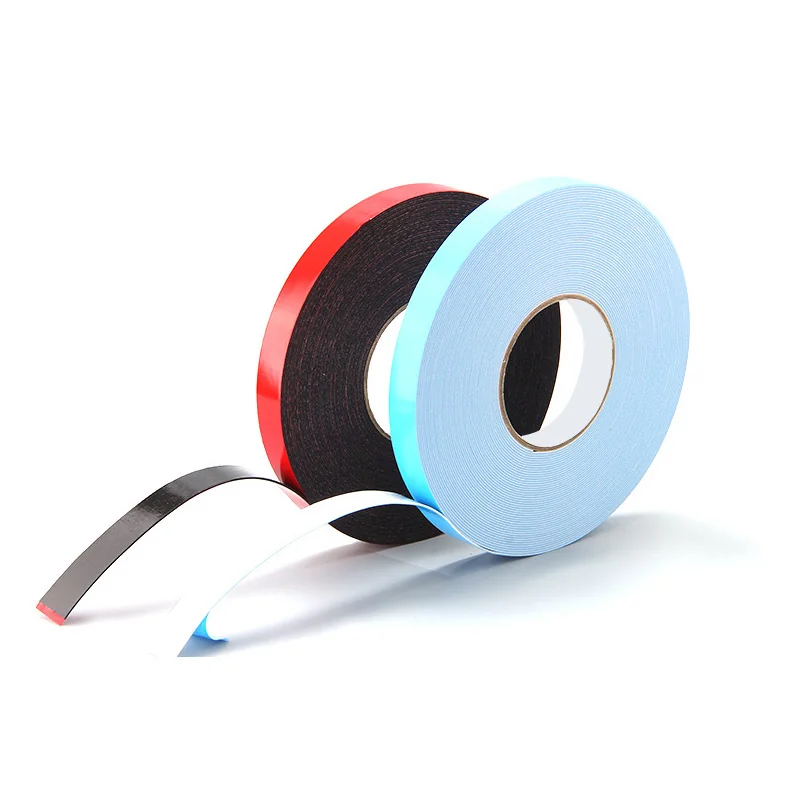
Next step
Tell us what you need to bond.
Tell us the two materials, part size, expected load, working temperature and order quantity. If available, include a drawing or application photo so we can review the project more accurately.