High Temperature PET Solvent Tape — Specification Guide
High temperature PET solvent tape manufacturer — 6 N/25mm peel (ASTM D3330) at 120–150°C. RoHS/REACH compliant. Sample dispatch 24h.
On this page
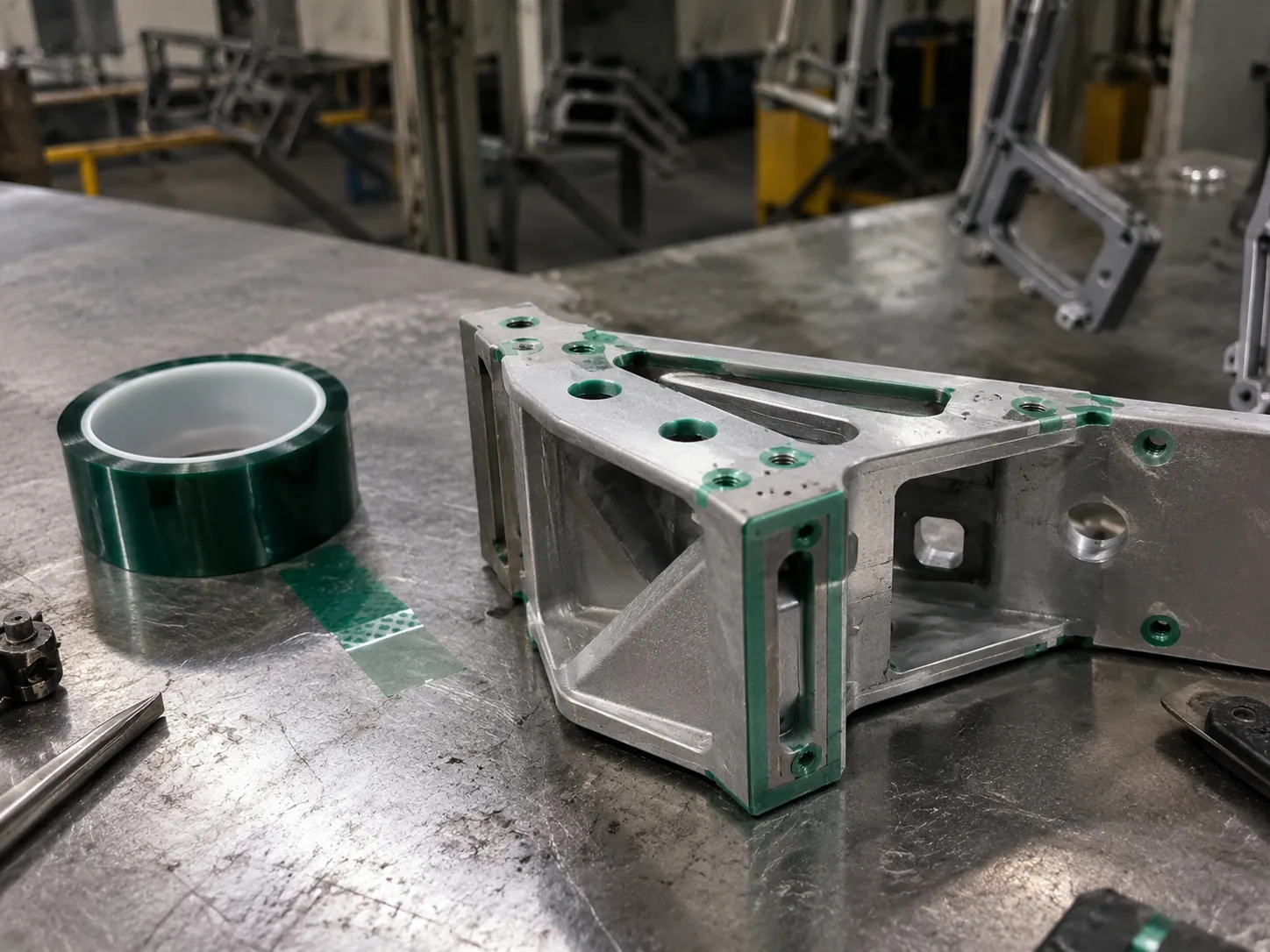
High temperature solvent-based PET tape combines a biaxially oriented PET (BOPET) film backing with a solvent-coated adhesive — rubber or acrylic system — and maintains reliable bond strength in continuous service at 120–150 °C, with short-term peak tolerance up to 180–200 °C (seconds).
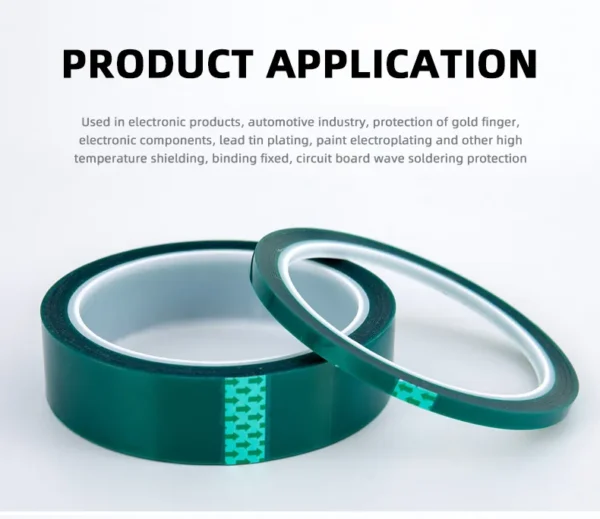
The “solvent-based” distinction is not a marketing term. Solvent coating produces thinner, more uniform adhesive films (15–35 µm) with tighter coat-weight control compared to water-based systems. Batch-to-batch peel consistency is measurably better, which matters when tape failure in a transformer winding or PCB masking process causes production scrap.
This is a different product from polyester tape used in general packaging or labeling. The solvent adhesive system is what qualifies these tapes for applications where adhesive failure at temperature is not recoverable.
Why Specify a Solvent-Based Adhesive System for High-Temperature PET Tape?
The 120–150 °C service range is where solvent-based adhesive systems earn their place. Water-based acrylic tops out around 120 °C continuous; silicone adhesive handles 200–260 °C but costs 3–5× more. Solvent systems fill the gap between these two options.
Adhesive System Comparison
Scroll sideways to compare all columns.
| System | Continuous Temp | Key Advantage | When to Avoid |
|---|---|---|---|
| Solvent rubber | 120–140 °C | High initial tack, lower cost | Limited UV and chemical resistance |
| Solvent acrylic | 130–150 °C | Clean removal, UV stable, clear film | Lower initial tack than rubber |
| Water-based acrylic | 100–120 °C | Low VOC, easy to handle | Weaker peel on low-energy surfaces; limited temperature ceiling |
| Hot melt | 60–120 °C | Fast bonding speed | Poor creep resistance at elevated temperatures |
| Silicone adhesive | Up to 200–260 °C | True high-temperature endurance | 3–5× cost premium over solvent systems |
Engineers specifying PET solvent tape are typically in one of three situations: they need process consistency that water-based systems cannot provide; they need the 130–150 °C service range at solvent-system cost; or they are qualifying a second source for an existing solvent-grade tape specification.
When PET solvent tape is the wrong choice: For continuous service above 150 °C, switch to silicone adhesive or high temperature PTFE tape. For continuous use above 200 °C, polyimide film tape is the correct specification.
Technical Specifications
Construction
Scroll sideways to compare all columns.
| Layer | Specification |
|---|---|
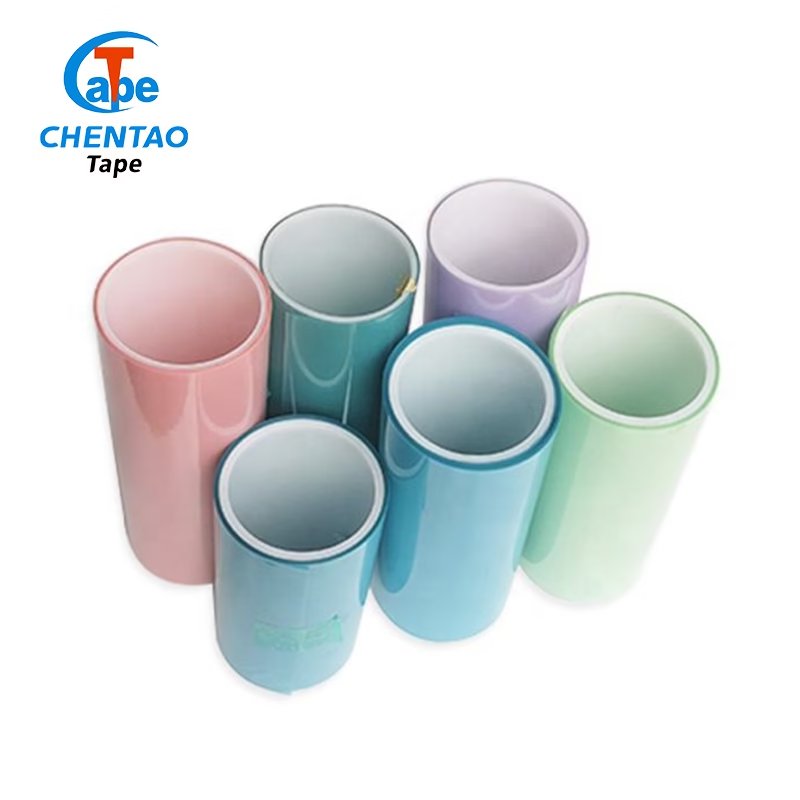
| PET film (BOPET) | 0.025–0.075 mm (1–3 mil); clear, black, or blue |
| Solvent adhesive | Rubber or acrylic system; 15–35 µm coat weight |
| Release liner (optional) | PET or glassine liner; standard on die-cut parts |
Performance Parameters
Scroll sideways to compare all columns.
| Parameter | Typical Value | Test Method |
|---|---|---|
| Total thickness | 0.05–0.13 mm | ASTM D1000 |
| Peel adhesion (180°, stainless steel) | ≥6 N/25mm | ASTM D3330 |
| Tensile strength | ≥150 N/25mm | ASTM D1000 |
| Elongation at break | ≥80% | ASTM D882 |
| Continuous service temperature | 120–150 °C (adhesive system dependent) | — |
| Short-term peak temperature | Up to 180–200 °C (seconds only) | — |
| Voltage withstand (0.05 mm grade) | 5–7 kV | IEC 60454 |
| Standard slit widths | 6–1000 mm (custom slit available) | — |
| Colors | Clear / Black / Blue / Custom | — |
| Compliance | RoHS 2.0, REACH SVHCs | COA per production batch |
All values are typical for standard grades. Exact performance depends on adhesive system selection, substrate, and process conditions. A Certificate of Analysis is issued per production lot. Peel adhesion values apply at 23 °C, 50% RH, 20-minute dwell; elevated-temperature peel data is available on COA request.
Test methods per ASTM standards: ASTM D3330 for peel adhesion to stainless steel, and ASTM D1000 for total thickness and tensile strength. Note: The data sheet from your high temperature PET solvent tape manufacturer should reference both standards explicitly.
Where High Temperature PET Solvent Tape Is Used
A high temperature PET solvent tape manufacturer typically serves powder coating, transformer winding, and PCB masking lines.
Transformer and motor coil wrapping — Class B (130 °C) and Class F (155 °C) insulation systems. Solvent acrylic system withstands varnish impregnation cycles without delaminating from the winding.
PCB wave soldering masking — Short dwell time (2–5 seconds) with solder at 260 °C. The tape surface does not reach solder temperature in that brief window. Solvent rubber PET tape is used here; clean peel immediately after the process is critical to avoid adhesive residue.
Powder coating masking — Oven cycles at 160–200 °C for 20–30 minutes. Solvent acrylic is preferred: it releases cleanly after cure without leaving residue on the masked surface.
Automotive wire harness bundling — Class F/H under-hood environments with thermal cycling. PET backing provides the dimensional stability that PVC tape lacks at these temperatures.
Capacitor and FPC electrical insulation — Dielectric isolation and bundling. Black PET variant provides EMI shielding alongside the insulation function.
When to Switch to Silicone or Polyimide Tape
Scroll sideways to compare all columns.
| Operating Condition | Recommended Alternative |
|---|---|
| Continuous service above 150 °C | Silicone adhesive system, or high temperature PTFE tape |
| Continuous service above 200 °C | Polyimide film tape |
| Prolonged immersion in acid bath (electroless nickel / ENIG plating) | Polyimide tape with silicone adhesive |
Sourcing High Temperature Solvent-Based PET Tape from ChenTao
ChenTao manufactures high temperature PET solvent tape in Dongguan, China, under ISO 9001:2015, ISO 14001, and ISO 45001 certification. More about ChenTao’s manufacturing background is available on the About Us page.
Adhesive systems: Solvent rubber and solvent acrylic are both produced in-house. Adhesive coat weight is adjustable to match application requirements — heavier coat for demanding substrates, lighter coat for precision die-cut parts.
Slitting and die-cutting: Width range 6–1000 mm, ±0.2 mm tolerance. Die-cutting accepts DXF and PDF drawings; kiss-cut on roll and individual parts are both available.
Lead time: Standard catalog widths ship in 5–7 working days. Custom slit widths require 7–15 days.
Sample policy: Engineering samples with COA dispatch within 24 hours of order confirmation. First-order MOQ is flexible to support qualification programs.
To request a sample or discuss temperature profile, substrate, and dimensional requirements, contact ChenTao.
How to Qualify a High Temperature PET Solvent Tape Manufacturer
When qualifying a high temperature PET solvent tape manufacturer, verify three things first.
A short checklist for procurement and process engineers evaluating suppliers:
- Adhesive system documentation — Can the supplier specify rubber vs. acrylic, and state the adhesive coat weight?
- High-temperature aging data — Peel adhesion retention after 150 °C × 72h or 168h thermal aging?
- Batch Certificate of Analysis — Thickness, peel adhesion, and tensile strength documented per production lot?
- Slitting tolerance — Width variance ≤ ±0.2 mm confirmed?
- ISO 9001 certificate — Current certificate, not expired?
- RoHS/REACH compliance — For the finished tape, not only the raw material?
- Sample lead time and MOQ — Flexible for qualification quantities?
Red Flags to Watch in Supplier Qualification
A supplier who cannot state the adhesive system type, provides only ambient-condition spec sheets with no thermal aging data, or cannot supply lot-traceable COAs is not ready for production qualification.
Frequently Asked Questions
A high temperature PET solvent tape manufacturer worth working with should answer these questions openly.
What temperature does high temperature PET solvent tape withstand?
Solvent acrylic on PET handles continuous service at 130–150 °C. The solvent rubber system is rated to 120–140 °C continuous. Both systems survive short-term exposure (seconds) up to 180–200 °C. For continuous use above 150 °C, a silicone adhesive system is the appropriate specification.
What is the difference between solvent-based and water-based PET tape?
Solvent coating produces a more uniform adhesive film with tighter coat-weight control, stronger peel retention at elevated temperatures, and better batch-to-batch consistency. Water-based acrylic has lower VOC but is typically limited to 120 °C continuous and shows weaker adhesion on low-energy surfaces.
Can high temperature PET solvent tape be used for PCB wave soldering masking?
Yes — for wave soldering with short dwell times (2–5 seconds), the tape surface does not reach the solder bath temperature of 260 °C. Solvent rubber or solvent acrylic PET tape is used in this application. The critical requirement is clean removal immediately after the process, before the adhesive degrades and leaves residue.
Is PET solvent tape RoHS and REACH compliant?
ChenTao’s high temperature PET solvent tape is RoHS 2.0 and REACH SVHCs compliant. A Certificate of Analysis is provided per production batch, covering both compliance status and physical test results.
What custom options are available?
Custom slit widths (6–1000 mm), total thickness (0.05–0.13 mm), adhesive coat weight, colors (clear/black/blue/custom), and die-cut formats (kiss-cut on roll or individual parts from DXF or PDF drawings).
Can you match a competitor’s PET solvent tape specification?
In most cases, yes. Provide the competitor part number — for example, from Tesa, Nitto, or Intertape — and the product datasheet. ChenTao’s engineers will cross-reference the construction and adhesive system, then propose an equivalent with COA confirming the matched parameters.
Find the right tape for your application
Tell us what you need to bond, your operating conditions and the size or quantity you have in mind. Our team can help with material selection, samples and a quotation.
Discuss my application