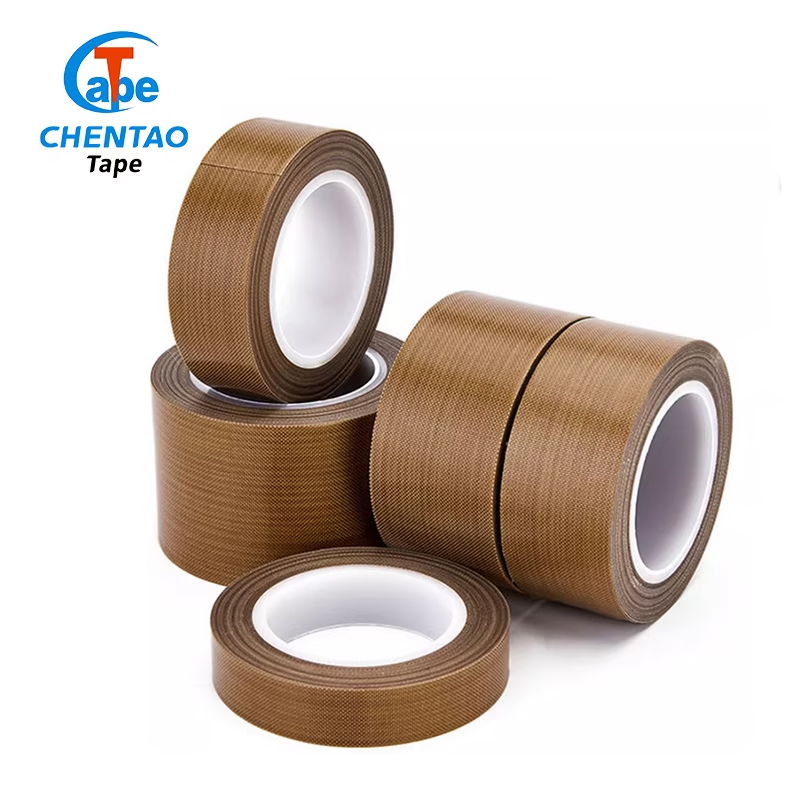
Polyimide Tape Datasheet: Engineering Guide to Key Specs
Updated engineering guide for polyimide tape selection and specifications.
On this page
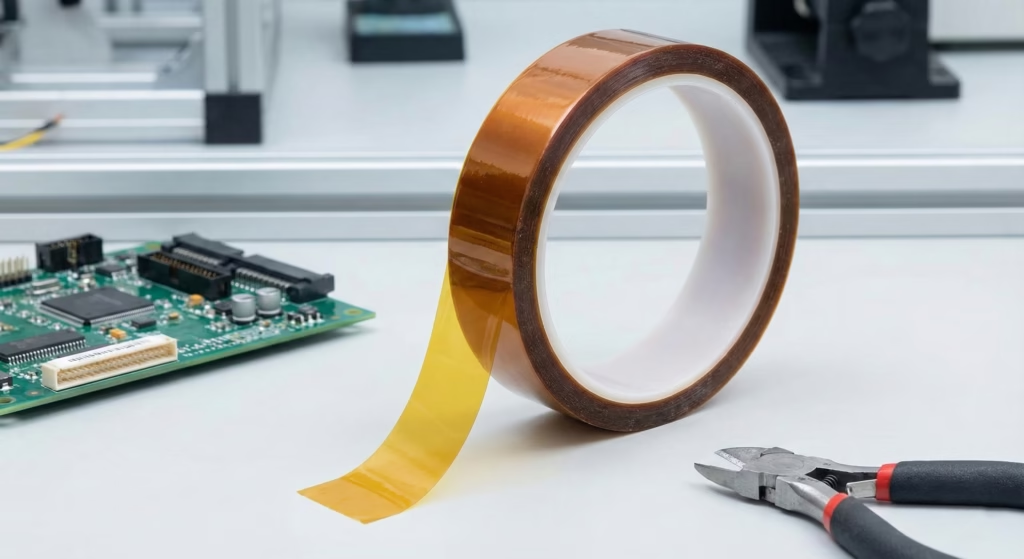
For industrial engineers and procurement officers, polyimide tape is a critical component in high-temperature masking, electrical insulation, and electronics assembly. However, treating all amber tapes as identical commodities is a recipe for operational failure. The difference between a successful wave solder mask and a production line halt often lies in the fine print of the Technical Data Sheet (TDS).
This guide provides a deep dive into interpreting polyimide tape specifications. We will move beyond basic marketing bullets to understand the physics behind the numbers, ensuring you select the correct material for harsh environments ranging from aerospace vacuum systems to powder coating ovens.
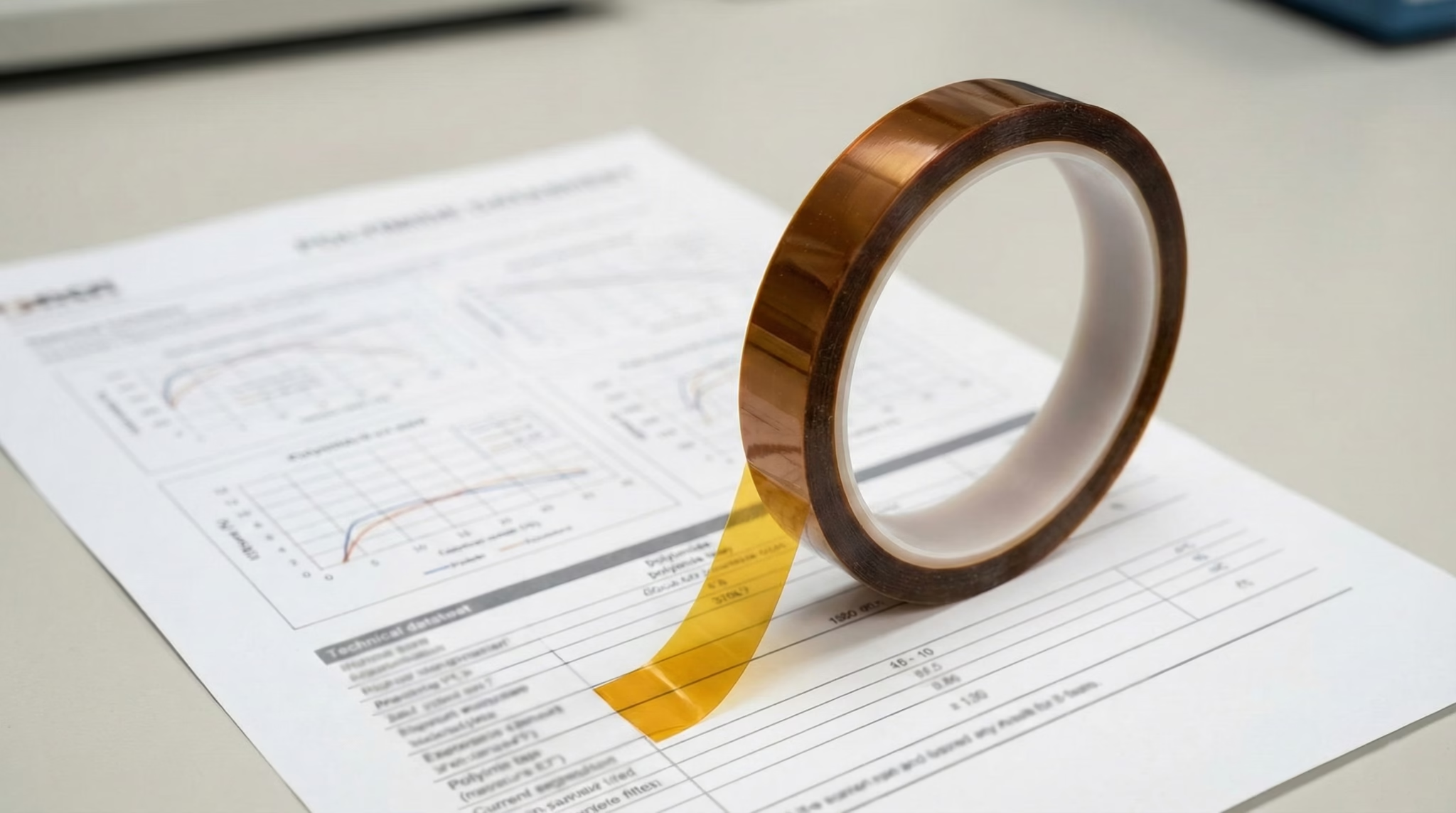
Quick Answer (TL;DR)
- Check the adhesive: Silicone withstands high heat (typically 260°C+) and removes cleanly; acrylic is permanent but generally has lower thermal limits (approx. 177°C).
- Verify dielectric strength: Standard 1 mil film typically offers ~6.5 kV protection, but this varies by total thickness.
- Total vs. Backing Thickness: Ensure you know if the spec includes the adhesive layer (e.g., 1 mil film + 1.5 mil adhesive = 2.5 mil total).
- Shelf Life: Most pressure-sensitive tapes have a 12–24 month shelf life; verify manufacture dates on delivery to prevent adhesion failure.
About This Guide (Scope & Verification)
Scope: This guide applies to polyimide film pressure-sensitive tapes used for electrical insulation, powder coating masking, and PCB assembly. It covers both silicone and acrylic adhesive systems.
How to verify: Always cross-reference the specific product datasheet for Temperature Rating (continuous vs. excursion), Dielectric Breakdown Voltage (ASTM D149), Adhesion to Steel (ASTM D3330), and ESD surface resistance if applicable. Values discussed here are industry averages for reference only.
Last updated: 2025-12-25
Reviewed by: Applications Engineering Team
Anatomy of a Polyimide Tape Datasheet
A standard TDS breaks down performance into physical, mechanical, electrical, and thermal categories. Understanding these distinctions prevents over-engineering (paying for specs you don’t need) or under-specifying a part (risking catastrophic failure).

Physical Properties: Backing vs. Total Thickness
One of the most common sources of confusion is thickness. A datasheet will often list “Backing Thickness” and “Total Thickness” separately. The backing (the polyimide film itself) provides the dielectric strength and physical toughness. The adhesive adds thickness but does not contribute significantly to dielectric breakdown resistance.
For example, a “2 Mil” tape might refer to 1 mil of film and 1 mil of adhesive, or 2 mils of film with 1.5 mils of adhesive. In precision applications like battery pack insulation layers, that difference in total clearance can lead to fitment issues or reduced thermal dissipation.
Mechanical Strength: Tensile & Elongation Metrics
Tensile Strength measures the force required to snap the tape. High tensile strength is crucial for automated taping machines that apply high tension during application.
Elongation at Break indicates how much the tape can stretch before failing. For wrapping irregular shapes, such as copper coils or cable harnesses, a higher elongation percentage allows the tape to conform tightly without tearing. If the elongation is too low, the tape may flag or lift at the edges on curved surfaces.
Electrical Data: Dielectric Breakdown Voltage
This is the voltage at which the insulation fails and current arcs through the tape. Standard 1 mil polyimide film is renowned for its high dielectric strength, often cited around 6.5 kV in generic references, though specific products may vary. Engineers must verify this value using ASTM D149 standards, especially for high-voltage capacitor or transformer applications.
Thermal Ratings: Continuous Use vs. Short-Term Exposure
Thermal ratings are often misunderstood. The “Continuous Use Temperature” is the maximum temperature the tape can withstand indefinitely without degrading. The “Short-Term” or “Excursion” temperature is higher but can only be sustained for minutes or hours (e.g., during a reflow solder cycle). Confusing these two can lead to the adhesive carbonizing or the film becoming brittle.
Typical Specification Ranges (Reference Only)
While every manufacturer’s datasheet differs, knowing the typical ranges helps you spot outliers or substandard products. If a generic tape claims performance vastly superior to market leaders without a price premium, proceed with caution.
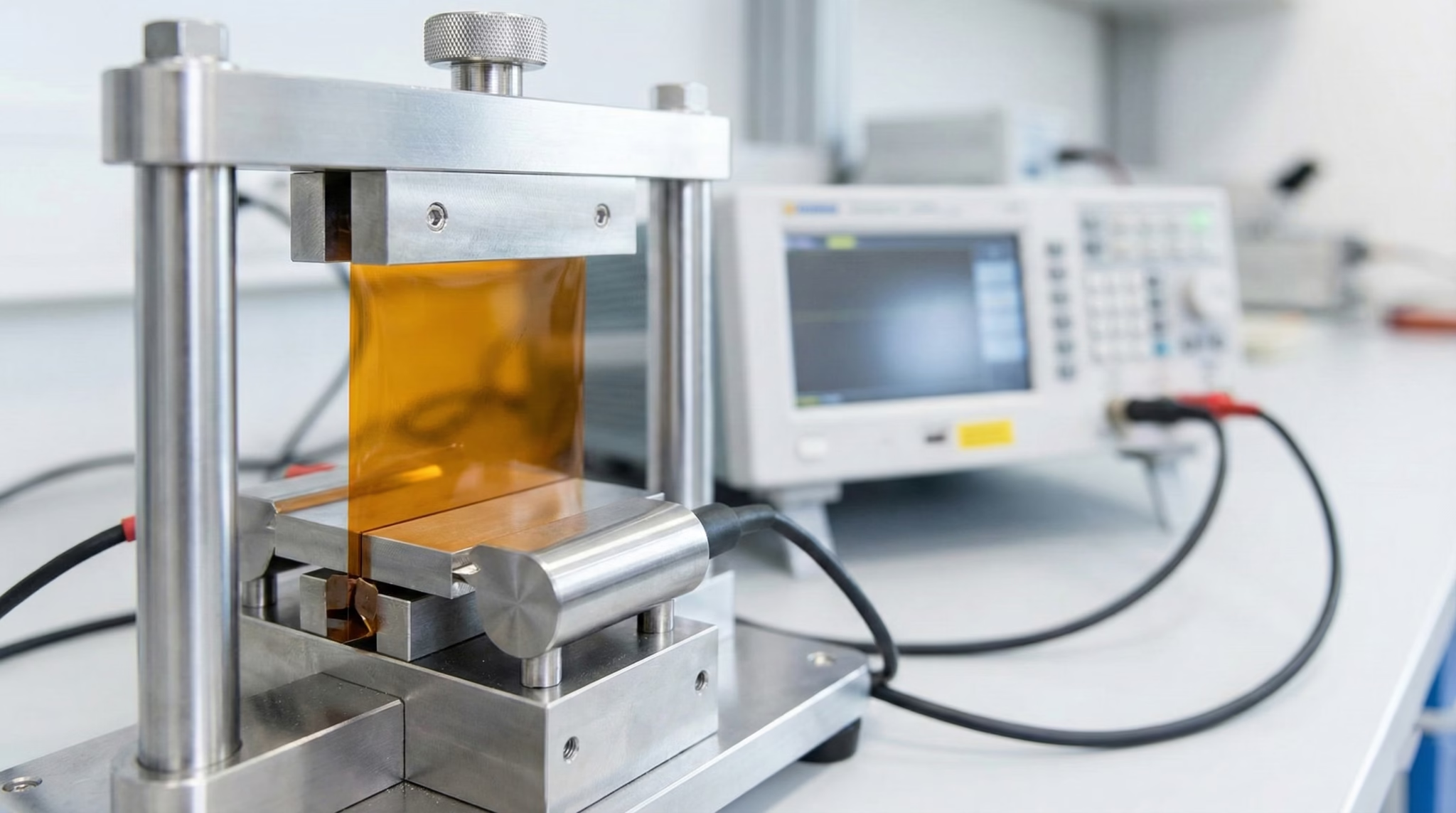
- Dielectric Strength: Typically ranges from 5,000 to 7,000 Volts for standard 1 mil film. Thicker films (2 mil, 5 mil) will offer higher resistance.
- Temperature Resistance: Silicone adhesives generally handle -73°C to 260°C (-100°F to 500°F). Acrylic adhesives are often limited to roughly 177°C (350°F) but offer better long-term bonding at lower temperatures.
- Adhesion to Steel: This measures how sticky the tape is. Values typically range from 20 to 35 oz/in for silicone. Low adhesion values might indicate expired shelf life or poor adhesive coating.
- Chemical Resistance: Polyimide is inherently resistant to many solvents, but the adhesive system is the weak link. Silicone is generally more resistant to chemical attack than acrylic in harsh plating baths.
For precise needs, please browse our catalog of technical tapes to find the specific datasheet for your application.
Adhesive Systems: Interpreting the Data
The film is only half the story; the adhesive determines the tape’s suitability for masking versus permanent bonding.
Silicone Adhesive: High Temp & Clean Removal
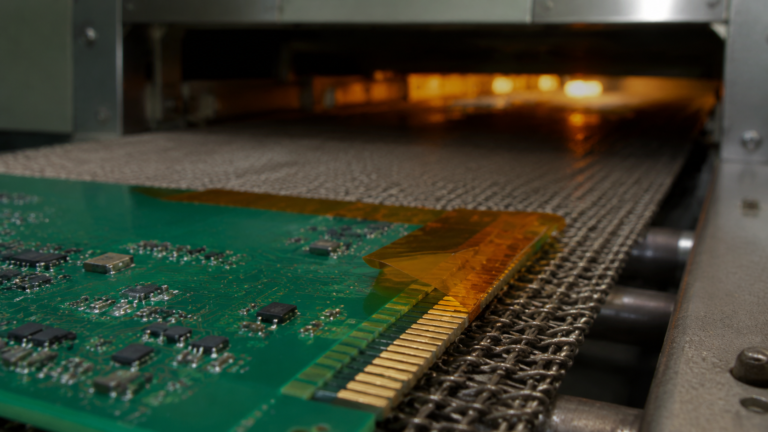
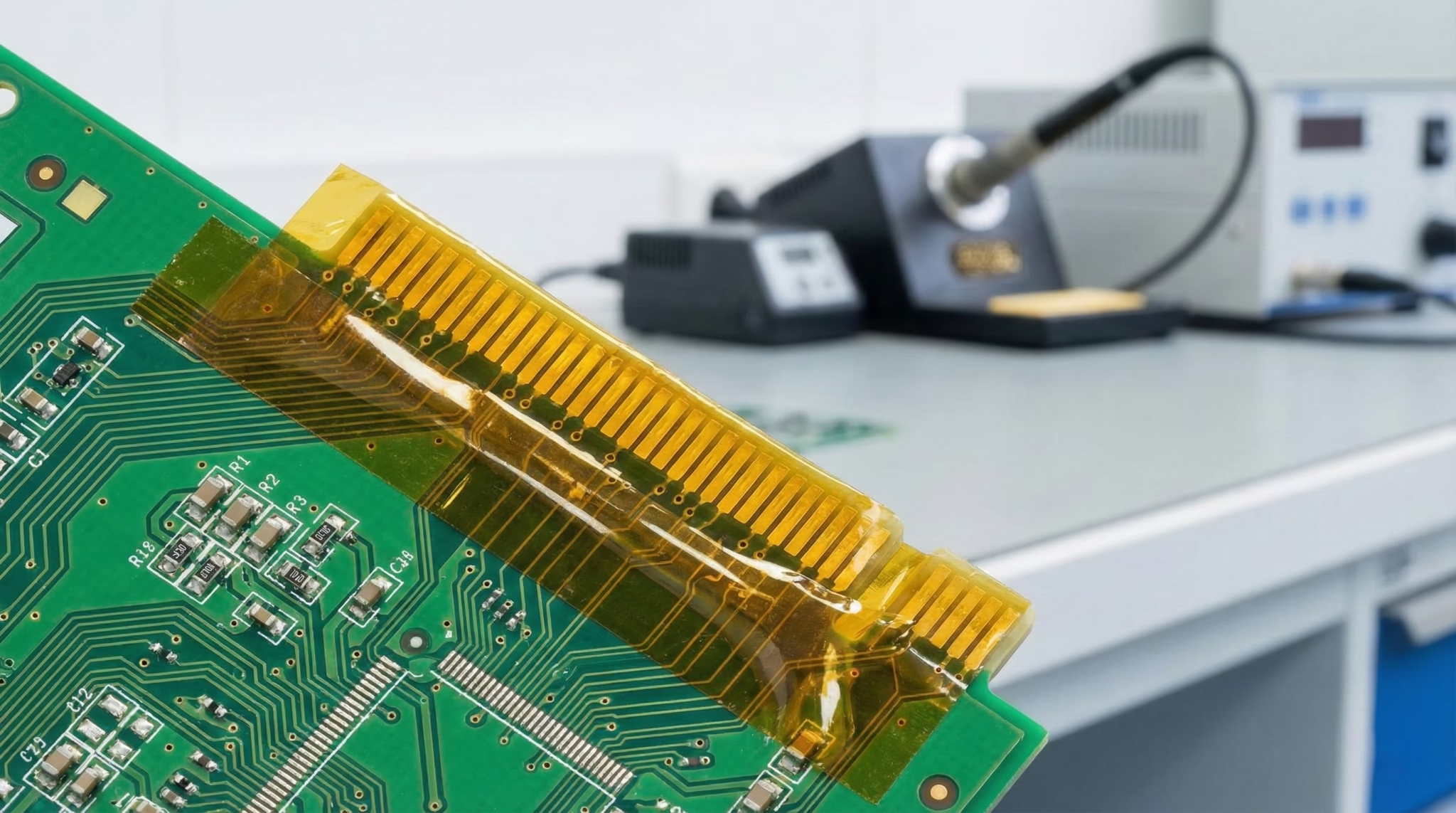
Silicone is the industry standard for high-temperature masking. Its primary benefit is “clean removal”—it resists leaving residue (ghosting) on the substrate even after baking at 260°C. A classic example is masking gold fingers during reflow soldering; the tape must protect the contact surface and peel off without leaving insulating oils that would block connectivity.
Acrylic Adhesive: Outgassing & Permanent Bonding
Acrylic adhesives are chosen for permanent applications where the tape will not be removed, such as insulating a motor winding. They generally have higher bond strength than silicone but lower thermal resistance. Acrylics are also less prone to the “migration” issues associated with silicone, making them safer for certain aerospace optics or painting applications, though they may outgas under vacuum.
Low-Static & ESD Grade Specifications
Standard polyimide is an electrical insulator, which means it can generate significant static charge (triboelectric charging) when peeled from the roll. This can damage sensitive MOSFETs or other electronic components. ESD-grade polyimide tape includes a conductive or static-dissipative treatment (often reducing surface resistance to 10^6 – 10^9 ohms) to prevent this discharge. Always check the datasheet for “Surface Resistance” metrics if you are working with ESD-sensitive electronics.
Selection Matrix: Matching Specs to Application
Use the table below to guide your selection process based on critical datasheet parameters. Always verify the specific lot data before mass production.
Scroll sideways to compare all columns.
| Application Scenario | Critical Spec to Verify | Why it Matters | Failure Risk |
|---|---|---|---|
| PCB Wave Soldering | Temp Rating (Short Term) & Adhesion Type | Must withstand 260°C solder wave without lifting. | Adhesive residue on gold fingers; solder leakage under tape. |
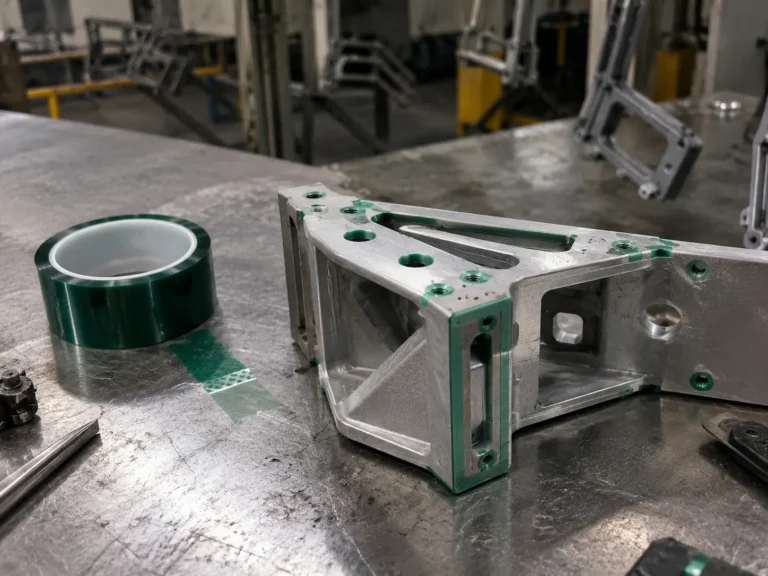
| Powder Coating Fixtures | Backing Thickness & Removal | Thicker backing (2-5 mil) prevents tearing during removal after cure. | Tape tearing leaving fragments under the coating; ghosting. |
| High-Voltage Insulation | Dielectric Breakdown (ASTM D149) | Must exceed the operating voltage with a safety margin. | Arcing, short circuits, catastrophic equipment failure. |
| Sensitive Electronics | Surface Resistance (ESD) | Standard tape generates static; ESD tape dissipates it. | Triboelectric shock destroying components during tape removal. |
| Vacuum / Space | Outgassing (TML / CVCM) | Volatiles can condense on optics or sensors. | Contamination of critical sensors; loss of adhesion in vacuum. |
| Permanent Motor Coil Wrap | Thermal Class (H/N/R) & Acrylic Adhesive | Needs permanent bond and long-term thermal stability. | Insulation breakdown over years of thermal cycling. |
Failure Modes & Troubleshooting
When polyimide tape fails, it usually leaves clues. By analyzing the failure mode, you can trace the issue back to a specific datasheet parameter that was either overlooked or out of spec.
1. Adhesive Residue (Ghosting)
- Symptom: Sticky residue remains on the part after tape removal.
- Likely Cause: The temperature exceeded the adhesive’s rating, or the tape was left on the part for too long after the bake cycle.
- How to Verify: Check the “Temperature Rating” and “Shelf Life” on the datasheet. Expired tape often leaves residue.
- Mitigation: Switch to a high-performance silicone adhesive or remove tape while the part is still slightly warm (approx 60°C).
2. Lifting or Curling (Flagging)
- Symptom: Tape edges lift up during the process (e.g., in a solder wave).
- Likely Cause: Insufficient initial adhesion, surface contamination, or low tape conformability (stiffness).
- How to Verify: Check “Adhesion to Steel” and “Elongation” specs.
- Mitigation: Clean the surface with Isopropyl Alcohol (IPA) before application; ensure adequate pressure is applied.
3. Dielectric Puncture
- Symptom: Electrical arcing through the tape.
- Likely Cause: Voltage exceeded the dielectric strength, or a pinhole defect in the film.
- How to Verify: Review “Dielectric Breakdown Voltage” and inspect for physical damage/debris under the tape.
- Mitigation: Use a thicker film (e.g., 2 mil or 5 mil) or apply multiple layers.
4. Tearing Upon Removal
- Symptom: Tape shreds into small pieces when you try to peel it off.
- Likely Cause: The backing is too thin for the mechanical stress, or the adhesive bond has become too strong due to heat.
- How to Verify: Check “Tensile Strength” and “Backing Thickness”.
- Mitigation: Upgrade to a 2 mil or 5 mil backing for heavy-duty masking applications like powder-coat cure fixtures.
5. Static Shock Damage
- Symptom: Nearby components fail after tape application/removal.
- Likely Cause: Triboelectric charging from standard polyimide tape.
- How to Verify: Measure surface voltage generation during peel; check if tape is “ESD” grade.
- Mitigation: Switch to Anti-Static (ESD) Polyimide Tape.
6. Blistering or Bubbling
- Symptom: Bubbles appear under the tape during high-heat cycles.
- Likely Cause: Moisture trapped under the tape or outgassing from the substrate/adhesive.
- How to Verify: Check for moisture absorption specs.
- Mitigation: Ensure parts are dry before taping; use a squeegee to remove all air entrapment during application.
RFQ & Supplier Readiness Checklist
To ensure you receive material that matches your technical requirements, use this checklist when requesting a quote (RFQ) or auditing a new supplier. A vague RFQ often leads to receiving “generic” tape that may not meet rigorous specs.
Defining Critical Specs
- Thickness: Clearly specify if you need 1 mil film (2.5 mil total) or 2 mil film.
- Adhesive Type: Specify Silicone vs. Acrylic.
- Width Tolerance: Standard slitting tolerance is often ±1/32″, but precision applications may require ±0.1mm.
- Certifications: State upfront if you need UL 510, RoHS, or REACH compliance documentation.
Questions to Ask a Supplier
- What is the remaining shelf life on the inventory you will ship? (Target: >75% remaining)
- Can you provide a Certificate of Analysis (CoA) with actual test data for this specific lot?
- Is the dielectric strength value cited based on ASTM D149 testing?
- What is the core size? (Standard is 3 inch, but 1 inch exists).
- Are the rolls splice-free? (Splices can cause jams in automated equipment).
- Do you offer custom width slitting (e.g., 3.5mm)?
- Is this tape “Low Static” or standard insulation grade?
- What are the recommended storage conditions (Temp/Humidity)?
- Can you provide a sample for qualification testing?
- What is the lead time for non-standard widths?
Ready to secure high-quality material for your production line? Request a custom quote from our engineering team today.
External References
- Polyimide Tape and Kapton Tape | Strouse – Overview of physical properties and dielectric strength.
- Polyimide Film Electrical Tape 1205 Datasheet | 3M – Example of a standard industry TDS.
- Kapton – Wikipedia – History and chemical composition of polyimide films.
- Rogers Corporation Elastomeric Material Solutions – Data on high-performance tape materials.
Frequently Asked Questions
What is the difference between Kapton® and generic polyimide tape?
Kapton® is a registered trademark of DuPont for their specific polyimide film formulation. Generic polyimide tapes use similar chemical films. While many generics offer comparable performance for standard masking, critical aerospace or medical applications may strictly require the branded Kapton® film for its certified traceability and specific property consistency.
How do I convert adhesion values from N/100mm to oz/in?
Datasheets often use different units depending on the region. Roughly, 1 N/100mm is equal to approximately 0.91 oz/in. Always double-check conversions to ensure the adhesion meets your specifications, as a calculation error here can lead to tape lifting.
Does polyimide tape expire?
Yes. While the polyimide film itself is extremely stable, the pressure-sensitive adhesive (PSA) degrades over time. Standard shelf life is 12 to 24 months when stored at 21°C (70°F) and 50% relative humidity. Expired tape may not stick properly or may leave excessive residue upon removal.
Can I use standard polyimide tape for anti-static applications?
No. Standard polyimide is an excellent electrical insulator, which means it can retain high static charges. When peeled, it can generate triboelectric voltages exceeding 10,000V. For ESD-sensitive environments, you must use “ESD” or “Anti-static” grade tape, which is treated to be static-dissipative.
Find the right tape for your application
Tell us what you need to bond, your operating conditions and the size or quantity you have in mind. Our team can help with material selection, samples and a quotation.
Discuss my application