
Industrial Shielding & Grounding Solutions

Conductive Tape for EMI Shielding, Grounding & Electronic Assembly

CT Tape supplies industrial conductive tape for EMI/RFI shielding, grounding and conductive bonding. Compare aluminum foil, copper foil and conductive fabric options for electronics, telecom equipment and custom converting projects.
EMI / RFI Shielding Foil & Fabric Options OEM Converting Support
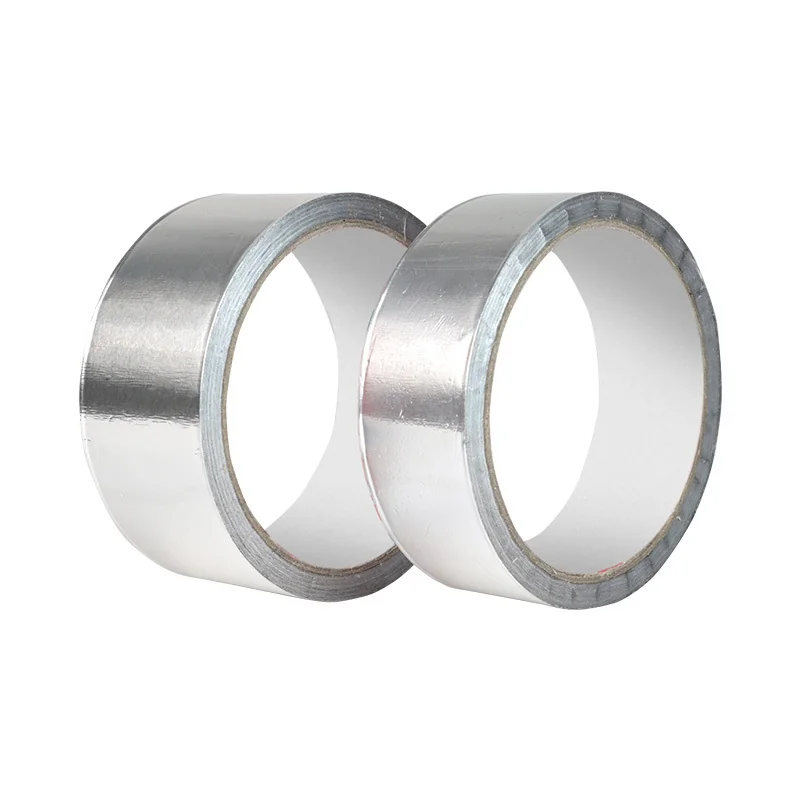
Conductive tape for EMI shielding, grounding and electronic assembly applications
Category Focus

Shielding, Grounding & Conductive Bonding

Built for industrial electronics, equipment assembly and converted tape parts.

EMI / RFI Shielding Suitable for enclosures, devices and signal-sensitive assemblies.
Material Options Available in aluminum foil, copper foil and conductive fabric structures.
Custom Converting Support for slitting, sheeting, laminating and die-cut formats.
Technical Selection Guidance for grounding, shielding and electronic assembly requirements.
Category Overview

What Is Conductive Tape?

Conductive tape is an industrial adhesive material designed to provide electrical conductivity, EMI shielding and grounding performance in electronic assemblies.

Buyers usually compare conductive tape by base material, conductivity path, adhesive system, application environment and converting format.

Core Purpose

Conductivity, Shielding & Grounding

Used to create conductive paths, control EMI/RFI and maintain grounding continuity.

Common Structures

Foil and Fabric Constructions

Typical options include aluminum foil, copper foil and conductive fabric tape.

Selection Factors

Material, Adhesive & End Use

Selection depends on shielding target, surface compatibility and installation conditions.

The main conductive tape types below help buyers compare structure, application fit and converting options more efficiently.

Subcategory Overview

Explore Conductive Tape Types

Compare the main conductive tape structures below by material type, flexibility, conductivity path and typical industrial application.
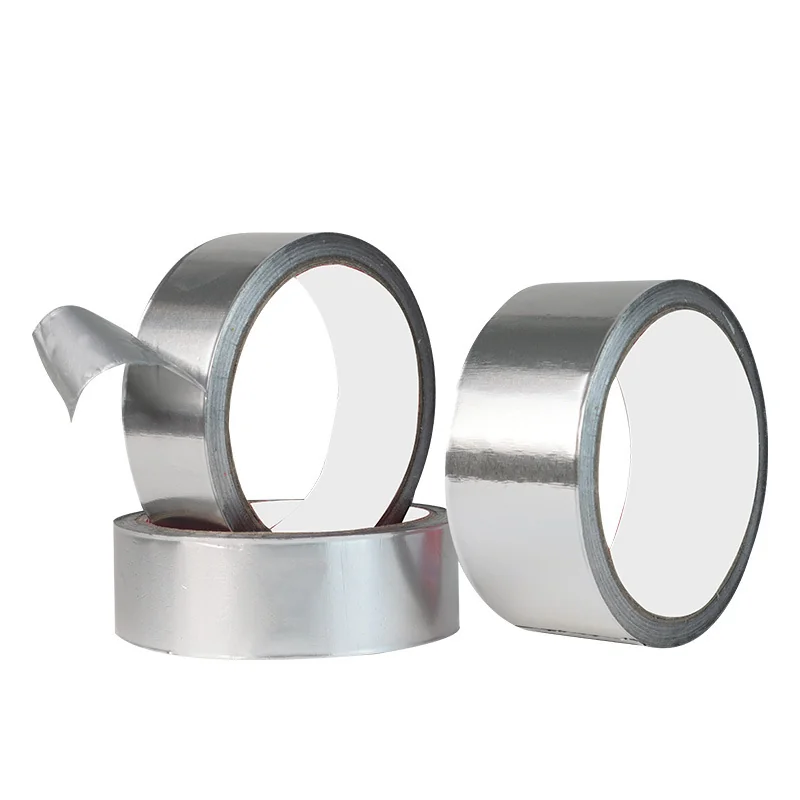
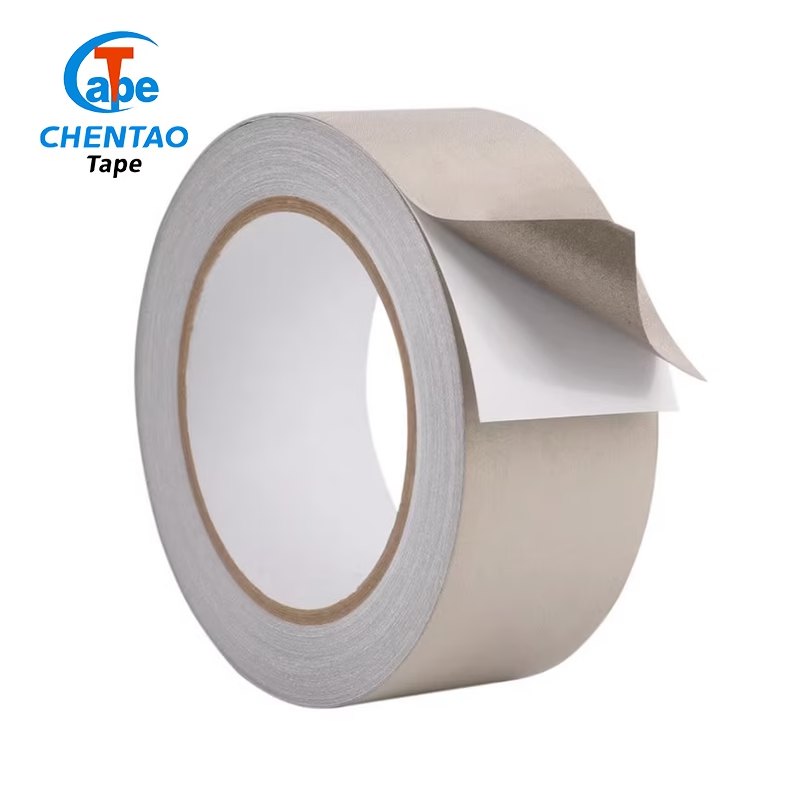
Aluminum foil conductive tape for EMI shielding and grounding
Foil-Based

Aluminum Foil Conductive Tape

Commonly used for EMI shielding, grounding continuity and conductive enclosure applications.

  • Suitable for shielding and grounding tasks
  • Supports slitting and die-cut converting
Explore Aluminum Foil Tape
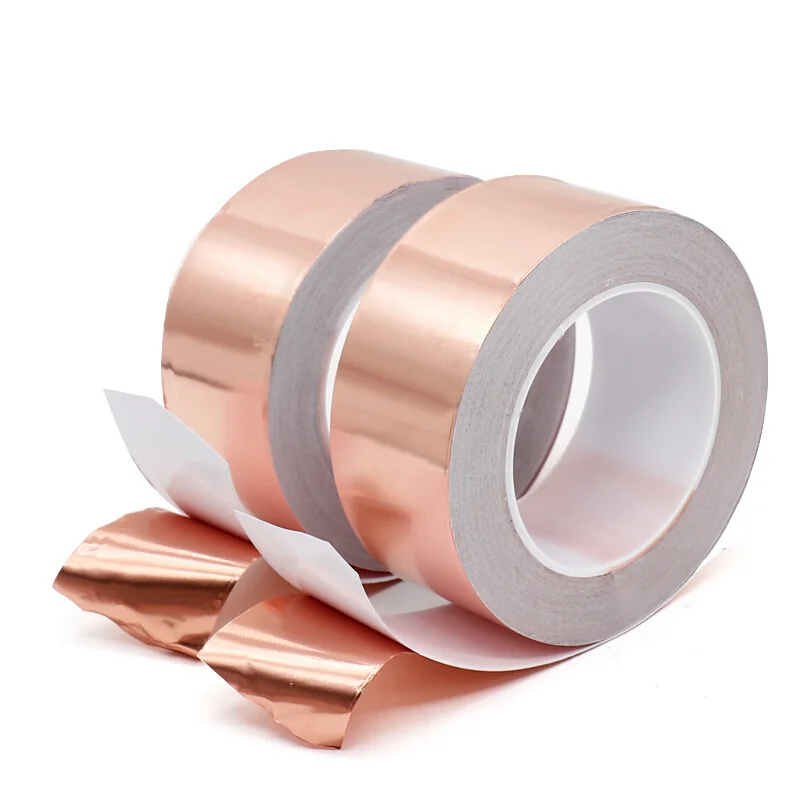
Copper foil conductive tape for high conductivity and EMI shielding
High Conductivity

Copper Foil Conductive Tape

Chosen for applications that require stable conductivity, EMI/RFI control and conductive bonding.

  • Preferred for higher conductivity needs
  • Used in shielding, grounding and bonding
Explore Copper Foil Tape
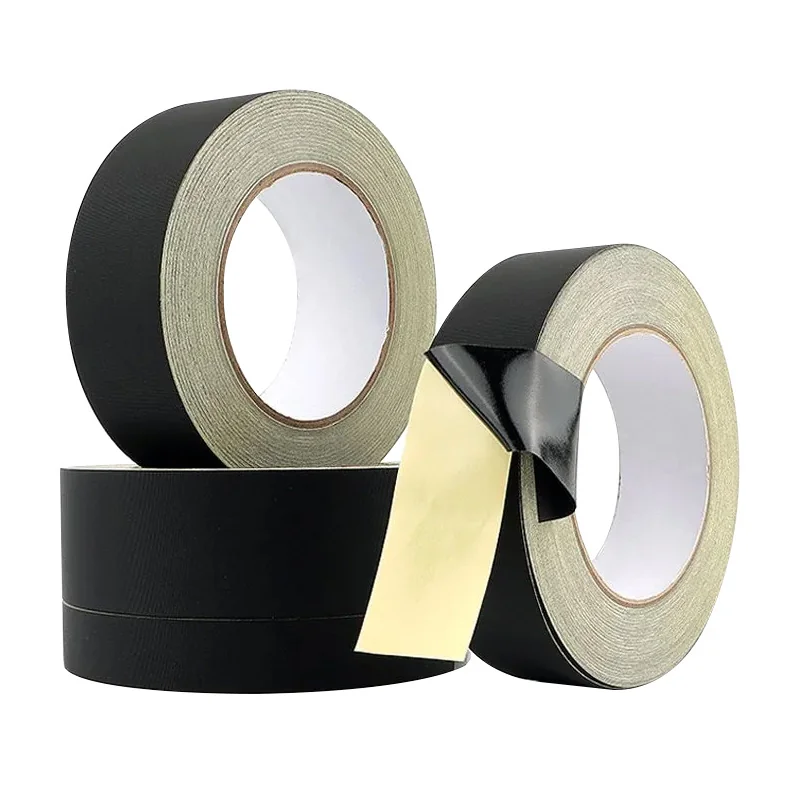
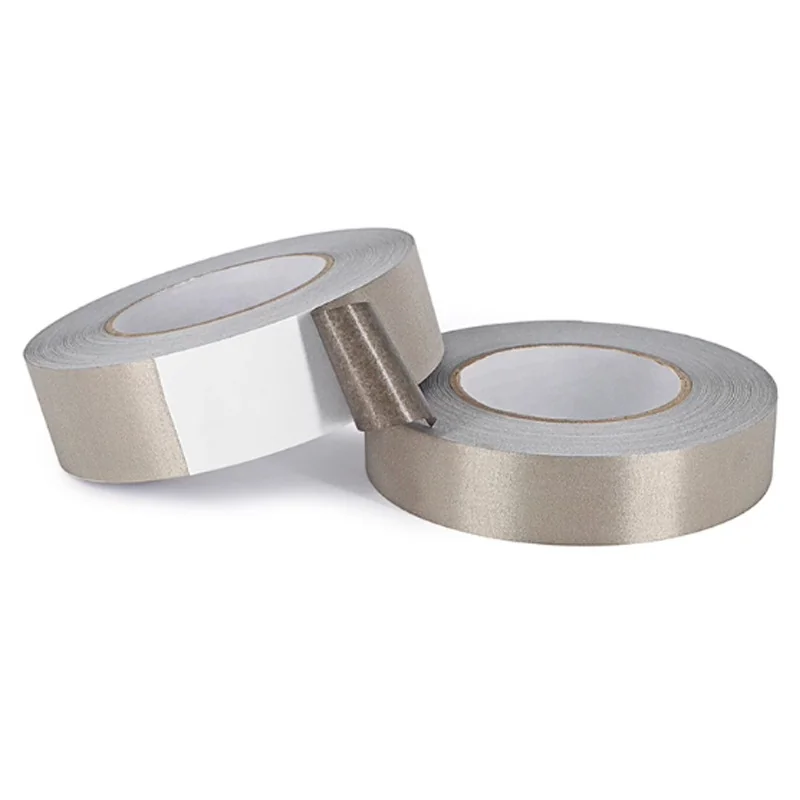
Conductive fabric tape for flexible shielding applications
Flexible Structure

Conductive Fabric Tape

Designed for flexible shielding and assembly scenarios where surface conformity is important.

  • Better suited to flexible or irregular surfaces
  • Supports custom converting and format adjustment
Explore Conductive Fabric Tape

Continue below to compare key features, application fit and selection factors across different conductive tape structures.

Key Features

Key Features of Conductive Tape

Buyers usually compare conductive tape by shielding performance, grounding continuity, conductivity stability, installation fit and converting compatibility.

EMI / RFI Shielding

Helps reduce electromagnetic interference in enclosures and signal-sensitive assemblies.

Grounding Continuity

Supports conductive connection across components, housings and metal structures.

Stable Conductivity

Material structure affects conductivity performance in bonding and shielding tasks.

Flexible Installation

Different constructions support flat, curved or irregular installation surfaces.

Adhesive Compatibility

Selection depends on substrate type, temperature and process conditions.

Converting Support

Supports slitting, sheeting, die-cutting and other custom converting formats.

The next section highlights common industrial applications of conductive tape.

Typical Applications

Typical Applications of Conductive Tape

Conductive tape is commonly used for shielding, grounding, conductive wrapping, electronics assembly and converted part applications.

Application

EMI Shielding for Enclosures

Used in housings and enclosures where interference control and conductive contact are required.

Application

Grounding of Components

Creates conductive grounding paths between metal parts, modules and system structures.

Application

Cable Wrapping & Bundling

Used for conductive wrapping tasks where flexibility and surface conformity are important.

Application

Electronics Assembly

Suitable for devices and modules that require both bonding function and conductive performance.

Application

Flexible Device Integration

Often used where curved surfaces, lightweight structures or flexible installation paths are involved.

Application

Custom Die-Cut Projects

Suitable for converted parts and project-based applications with defined installation requirements.

The next section outlines common technical options and selection factors for conductive tape projects.

Technical Options

Technical Options & Selection Factors

Conductive tape selection usually depends on structure, conductivity target, adhesive behavior, installation surface and converting format. The overview below highlights the main factors buyers compare.

Selection Factor
Common Options
What to Consider
Structure Type
Aluminum foil, copper foil, conductive fabric
Choose by shielding level, flexibility and conductivity requirement.
Conductive Function
Shielding, grounding, conductive bonding, wrapping
Selection depends on whether the project needs EMI control, grounding continuity or both.
Adhesive System
Pressure-sensitive adhesive options for different substrates
Check surface compatibility, temperature exposure and installation process.
Surface Fit
Flat surfaces, curved surfaces, irregular assemblies
Flexible constructions may be better for wrapping, bending or uneven surfaces.
Converting Format
Rolls, sheets, strips, die-cut parts
Project format affects installation efficiency, precision and supply method.
Project Requirements
Thickness, width, liner type, part shape, custom processing
Detailed specification review is usually required for OEM and converting-based projects.
Quick Tip Start with Structure Fit

Foil-based conductive tape is often preferred for shielding and grounding, while fabric-based options may be more suitable when flexibility or surface conformity is important.

Project Reminder Check Converting and Installation

For industrial projects, final selection should also consider converting method, installation workflow and the end-use environment.

The next section explains how CT Tape supports custom converting, die-cutting and project-based conductive tape supply.

Custom Converting Support

Custom Converting Support for Industrial Projects

In many conductive tape projects, success depends not only on material selection, but also on converting method, installation format and part design requirements.

Project-Based Supply

From Material Choice to Converted Part Delivery

CT Tape supports conductive tape supply in rolls, strips, sheets and die-cut parts. For OEM and industrial assembly projects, converting format can directly affect installation efficiency, process consistency and final part performance.

Whether the application involves shielding parts, grounding contacts, conductive bonding areas or wrapped flexible components, project review should consider part shape, liner handling, tolerance requirements and end-use installation conditions.

Capability

Slitting & Sheeting

Support for roll width adjustment, strips and sheet formats for production use.

Capability

Die-Cut Parts

Converted conductive tape parts for defined shapes, assembly positions and installation accuracy.

Capability

Custom Size & Structure

Project-based review of width, thickness, liner type and material structure requirements.

Capability

OEM / Application Support

Suitable for industrial electronics, equipment assembly and custom conductive part supply.

Need custom conductive tape converting support?

Share your application details, drawings or target format to discuss suitable material and converting options.

The next section explains why industrial buyers choose CT Tape for conductive tape supply and project support.

Why Choose CT Tape

Why Industrial Buyers Choose CT Tape

CT Tape supports conductive tape projects with material selection, converting options and responsive B2B communication for industrial applications.

Advantage

Industrial Material Focus

Support aligned with industrial adhesive and functional material applications.

Advantage

Custom Converting Support

Support for rolls, strips, sheets and die-cut conductive tape formats.

Advantage

Project Communication

Material and converting discussion based on application target and installation method.

Advantage

OEM / Assembly Support

Suitable for industrial electronics, equipment assembly and project-based supply.

Advantage

Flexible Supply Formats

Supports both standard material supply and custom converting requirements.

Advantage

Quote & Sample Response

Discuss quote needs and sample support before larger-volume supply.

Need conductive tape project support?

Contact CT Tape for material suggestions, converting options and quote support.

The next section answers common buyer questions about conductive tape selection and project support.

FAQ

Frequently Asked Questions

Common questions buyers ask about conductive tape selection, converting and project support.

The final section provides a direct CTA for quote requests, sample discussion and project inquiries.