Can you recommend the right double sided tape if I only know the application?
Yes. You do not need to know the exact tape type first. In many cases, the starting recommendation can be narrowed by the two substrates, surface condition, thickness target, working environment and whether converting is needed.
What information helps you recommend or quote more accurately?
The most useful inputs are: materials to bond, surface condition, indoor or outdoor use, thickness target, required roll size, and whether die-cut parts are needed.
Can I request samples before placing a larger order?
Yes. For many B2B projects, sample evaluation is the normal first step, especially when bonding performance, thickness or substrate compatibility still needs confirmation.
Do you support die-cut, slitting or custom converting requests?
Yes. If your project needs custom roll width, slit rolls, die-cut shapes or other converting support, it is better to mention that early because it affects sample format and quotation discussion.
Which tape type is usually better for uneven surfaces or gap filling?
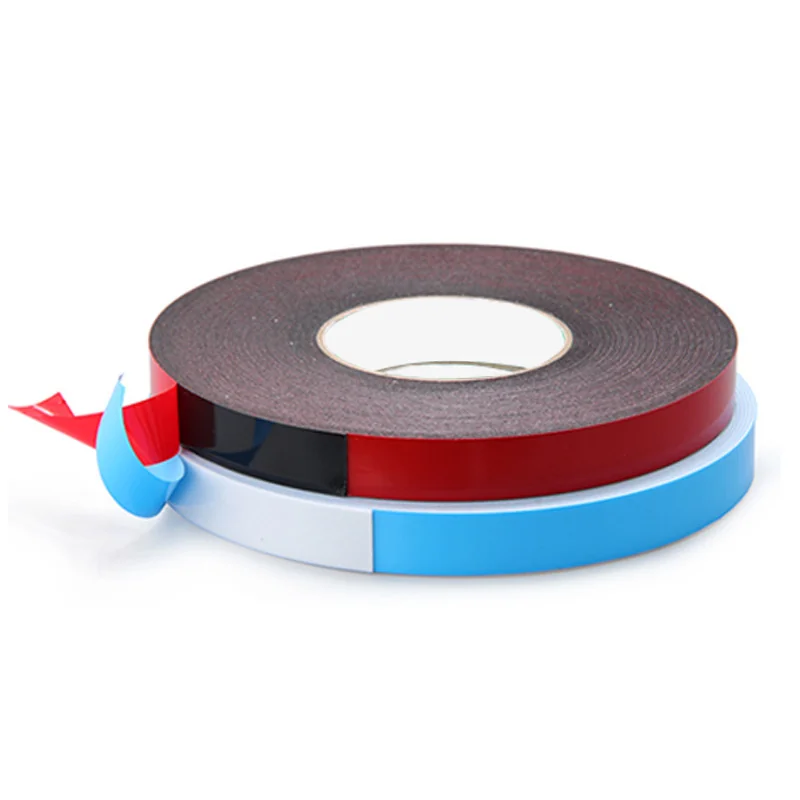
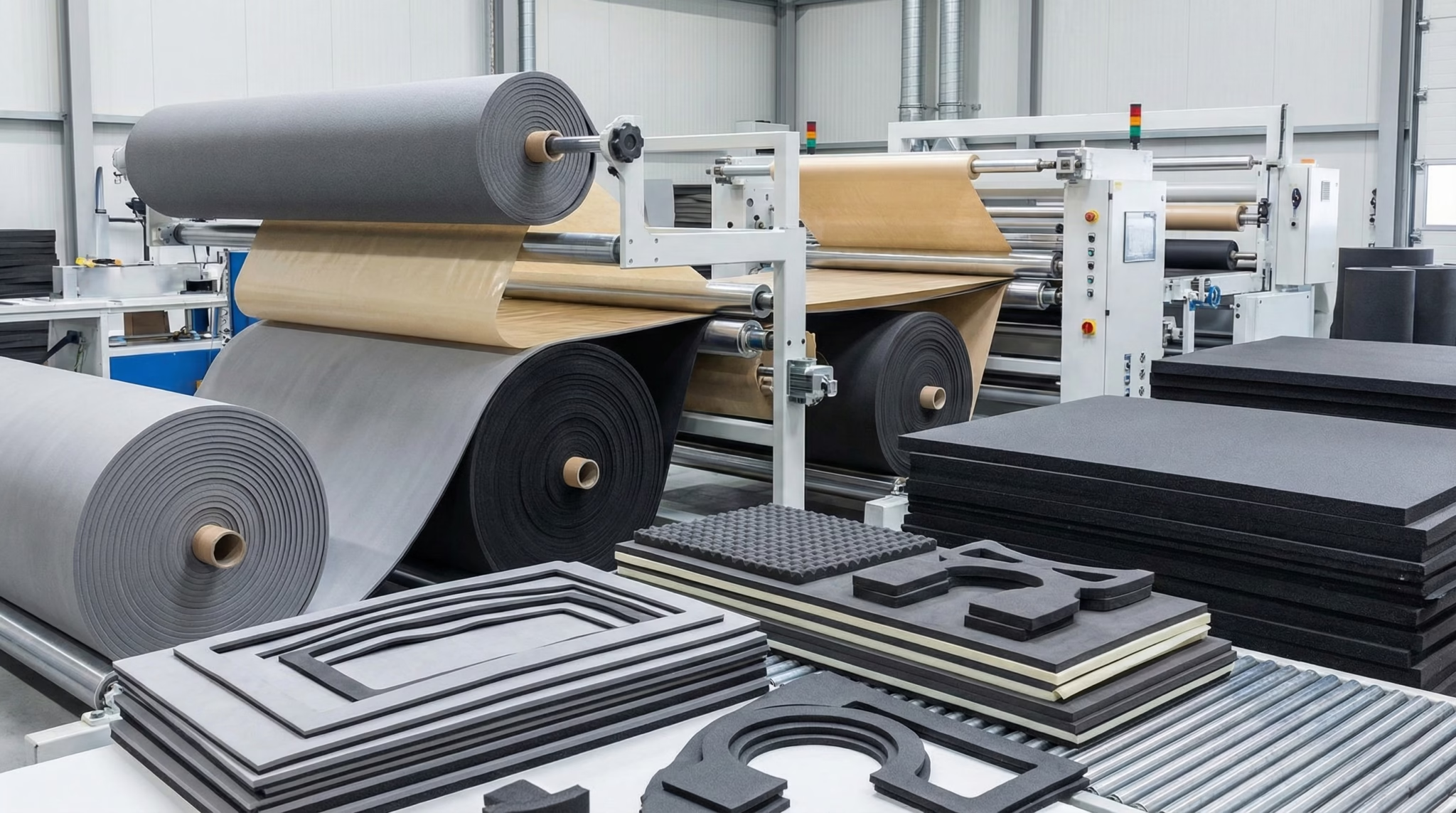
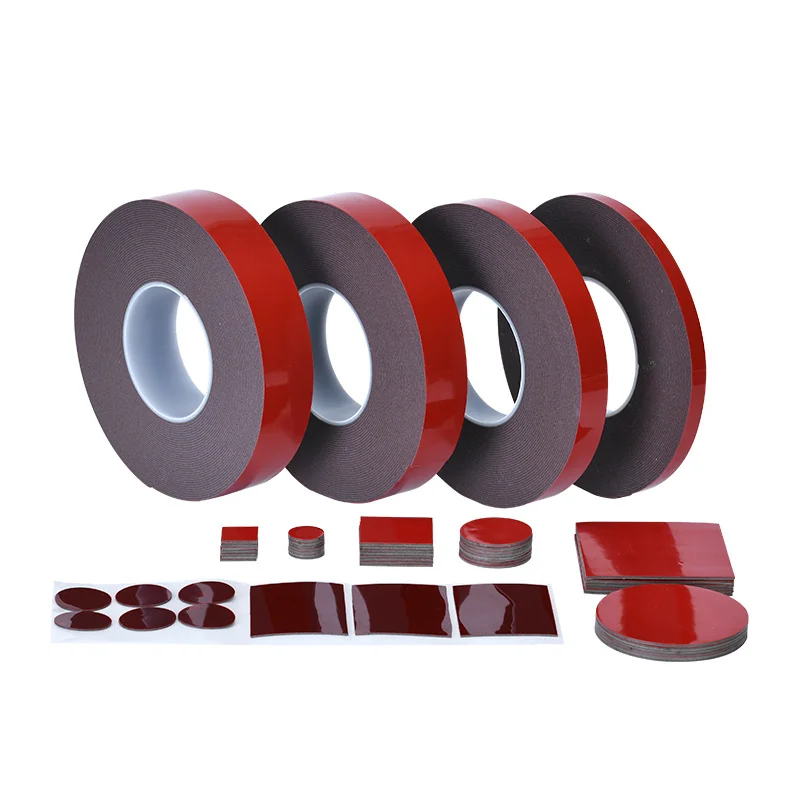
In many cases, PE foam tape is a better starting direction when the surface is not perfectly flat, cushioning is needed, or the project needs thickness compensation. For higher-end mounting, acrylic foam tape may also be considered.
Which tape type is usually better for thin precision bonding?
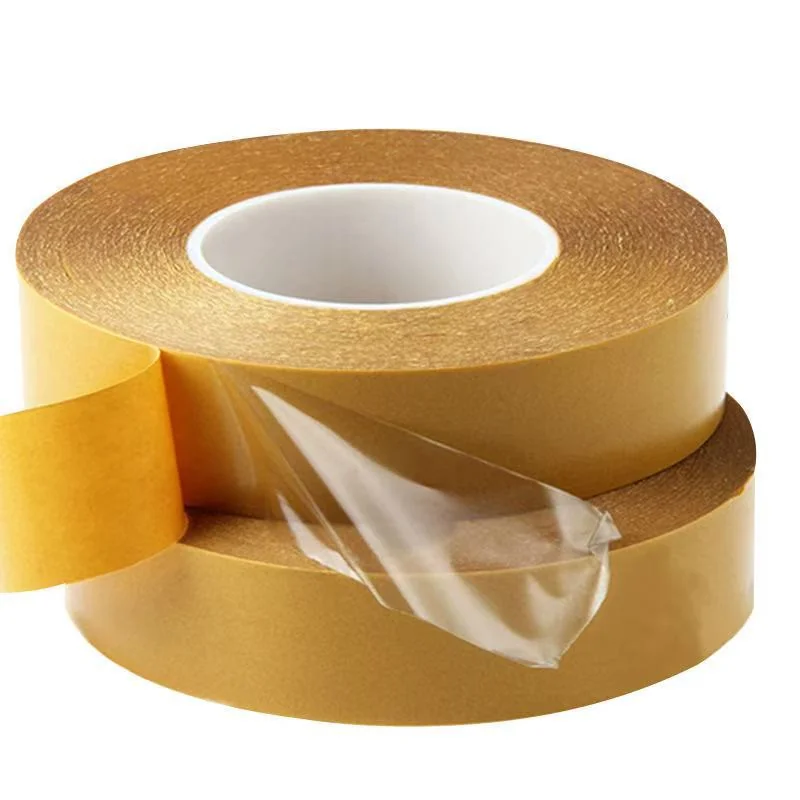
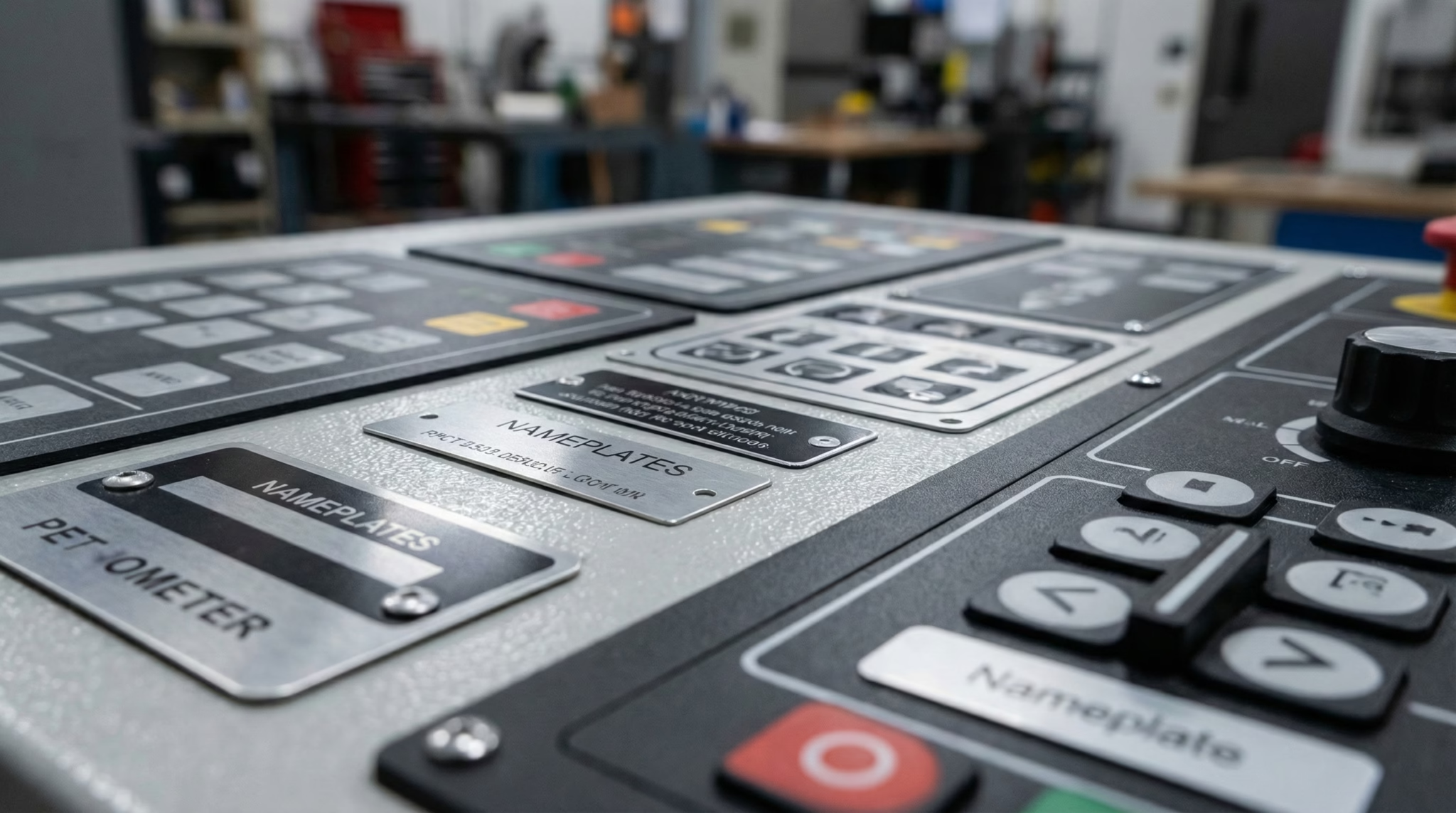
For many applications such as nameplates, membrane switches and electronics assembly, PET double sided tape is often a stronger starting point because of its thin construction and dimensional stability.
 Premium Bonding